Categories
Uncategorized Training

Resilience Academy supports 200 University Students to Gain Geospatial Digital Skills

Since 2019, the Resilience Academy has been supporting students’ industrial training—an internship program that normally goes up to eight weeks. The aim is to support students participating in practical activities and increase their skills especially digital skills. Resilience Academy is a partnership between four academic institutions in Tanzania: Ardhi University (ARU), University of Dar es Salaam (UDSM), Sokoine University of Agriculture (SUA), and State University of Zanzibar (SUZA) with the University of Turku (UTU) from Finland.

The skills that students will acquire include mobile data collection using OpenData Kit (ODK)—an open-source software for collecting, managing, and using data in resource-constrained environments—, field and community mapping, map production using QGIS, data quality assurance, all while contributing to OpenStreetMap.

The series of industrial training over the years has been successful in creating an apprenticeship program for more than 800 students (as of 2019) before and after college graduation. Over the past years, we have had students who benefited from the Ramani Huria project, who are now flying across the world to teach and present about our work and how the use of open-source software has served as a tool to support them to develop their skills.
Training Session

The first week of the training basically focused on bringing students on board on what to expect from the 6 weeks placement and what is expected from them . Introducing OpenStreetMap, QGIS, ODK for data collection, and the importance and value of community engagement, in general, were the main topics featured in the first week. The  students got to learn:

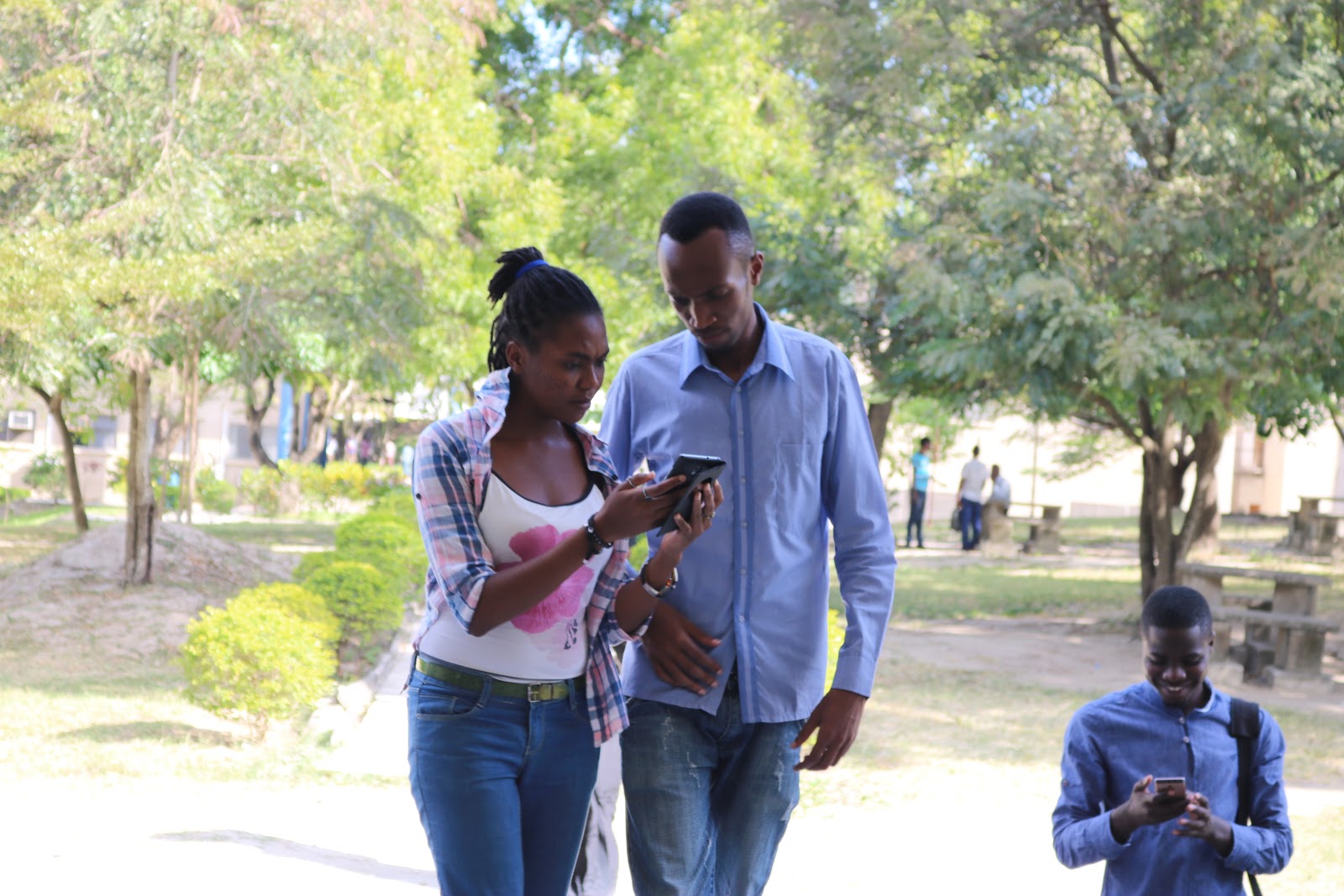
  • Basics of ODK and how the application works in the field. They had an opportunity to collect some points around the university campus, just to make sure they got a hang of it. We then visualized the points collected on QGIS for them to see how the process works and how the data they will be collecting in the field will be visualized.
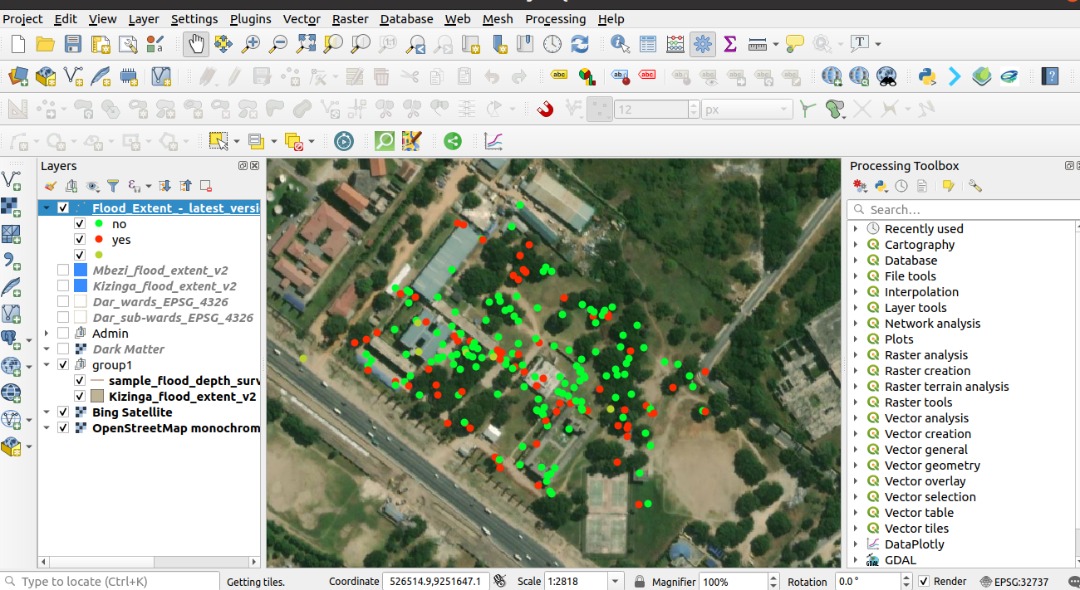
Sample data points collected by students visualized in QGIS
  • XLS Form and KoboToolbox server creation. It is very important for students to understand the infrastructure behind the surveys they will conduct in the field. Helping the students see how applications work in the backend to produce what they see in the frontend increases their passion and appreciation of what they are doing. Students created their own KoboToolbox accounts and learned how to create forms and deploy them on the server. This will equip them with the necessary skills that will help them beyond industrial training especially for those doing their dissertations and research; this can be the leap from field papers to digital data collection we have always been hoping for.
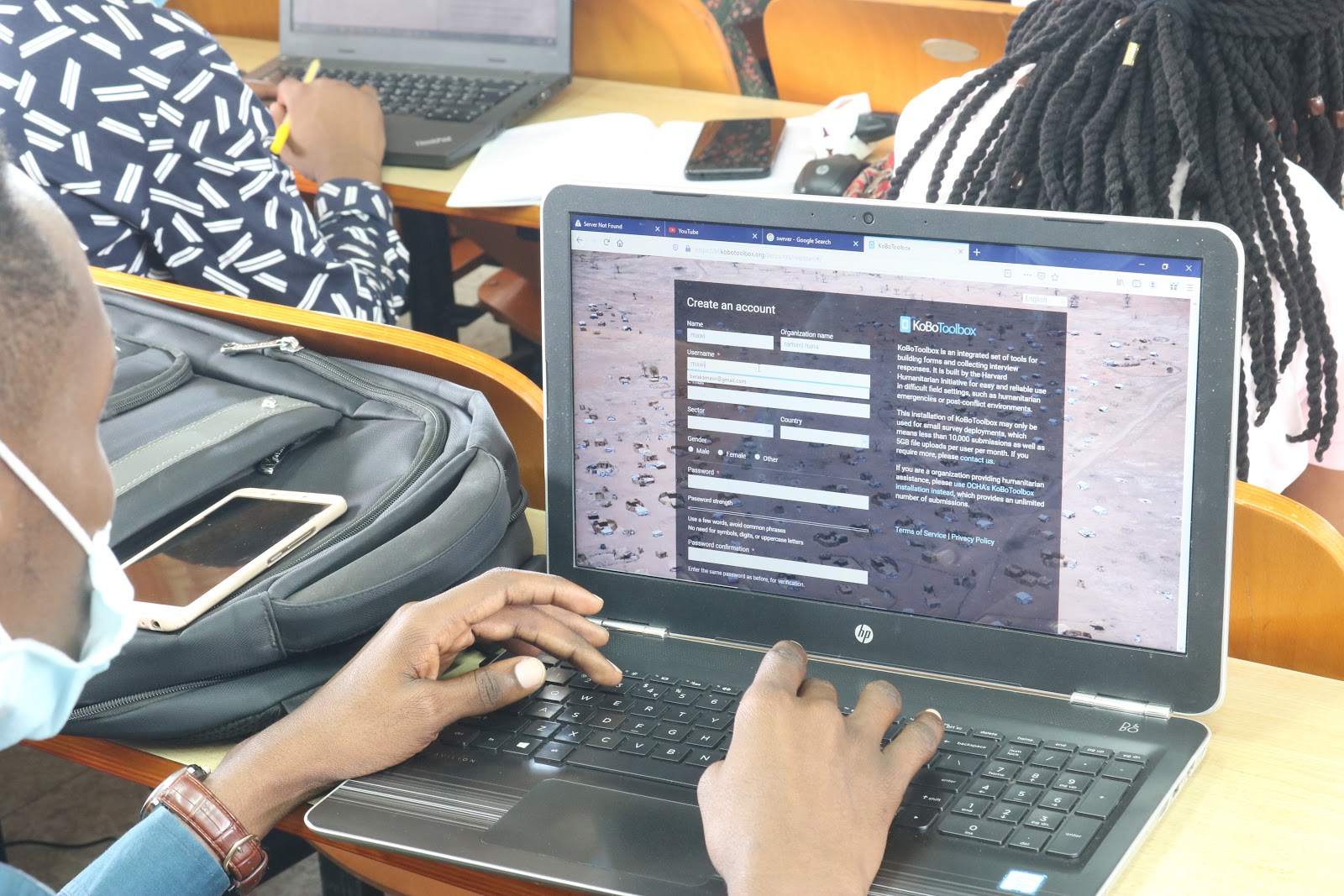
Student creating a KoboToolbox server account
  • Introduction to drone imagery for mapping and how important it is to have these images while mapping for floods. This was demonstrated to the students visually with a drone video prepared by one of our supervisors to inspire students who want to gain more skills in drones.
  • The importance of community engagement while mapping and how to conduct/collect household surveys.

What we expect from students

At the end of this training, we expect students to have a better understanding of the strength of maps acting as a tool for urban resilience and how the data collected can be analyzed, visualized, and used for decision-making in the long run. Students will work on the following: 

  • Flood extent mapping: Conducting household surveys on the extent of flooding in different predetermined areas by interviewing community members living in these areas with questions like the depth of flooding and how often the flood occurs. This data will help in the development of a flood model. Since flooding is a very sensitive issue especially to communities that are being affected, the communities may be reluctant to cooperate with beliefs that their houses may be demolished. In order to overcome this hurdle, we train students to clearly explain the goal of the project and that it does not aim to relocate them, but rather provide relevant data to decision-makers which will result in infrastructure development in their communities.
  • Ground control points for UAV surveys: As an extension of the Ramani Huria 2.0, an additional targeted 100 GCPs will be collected by students from these universities in three rivers; Msimbazi, Mlalakuwa, and Mbezi rivers which will be processed for rectifying drone imageries.
  • Building footprints digitization: Most buildings within the city have already been digitized using a high-resolution raster background, however, this is from 2016 imagery. Students will use Maxar imagery (with 50cm accuracy) to re-digitize Dar es Salaam to provide building exposure data. The focus of the updated digitization will be on peri-urban areas where a high rate of change versus the situation in 2016 is expected. Inner city and other already densely populated areas will only receive cursory checking and validation, and will not be updated at the individual building level.
  • Tree mapping: This will involve measuring the height of the tree diameter at breast height (DBH), identifying tree species which can also be identified using tree leaves, bark, roots – A botanist will help to identify the species in SUA. At Dar es Salaam, students will be mapping trees along the River Ng’ombe that is being upgraded to get a baseline tree database.
  • Data quality and validation: After data collection, few students will be trained on data quality assurance. They will conduct quality checks to make sure that data is of the desired standard.
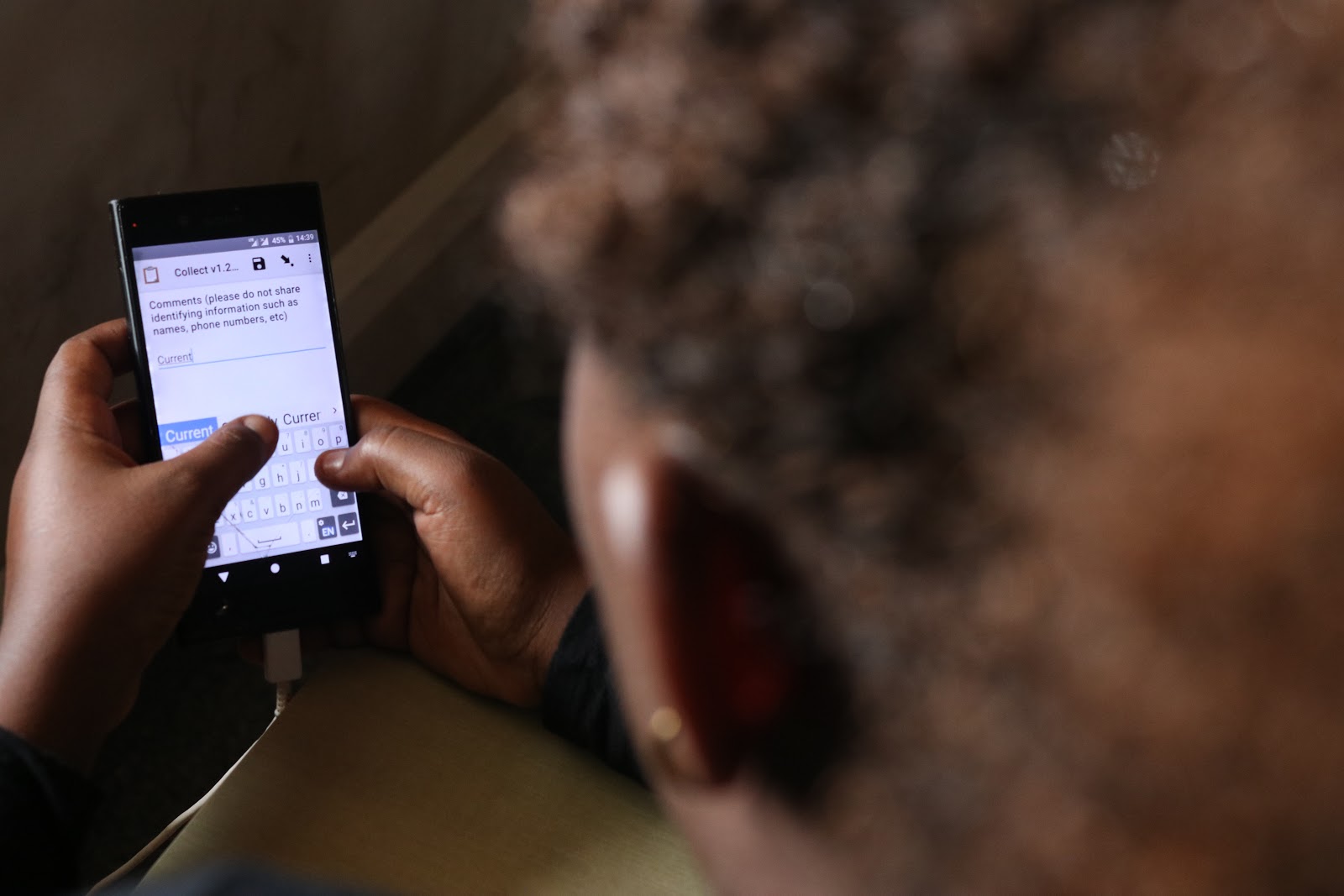
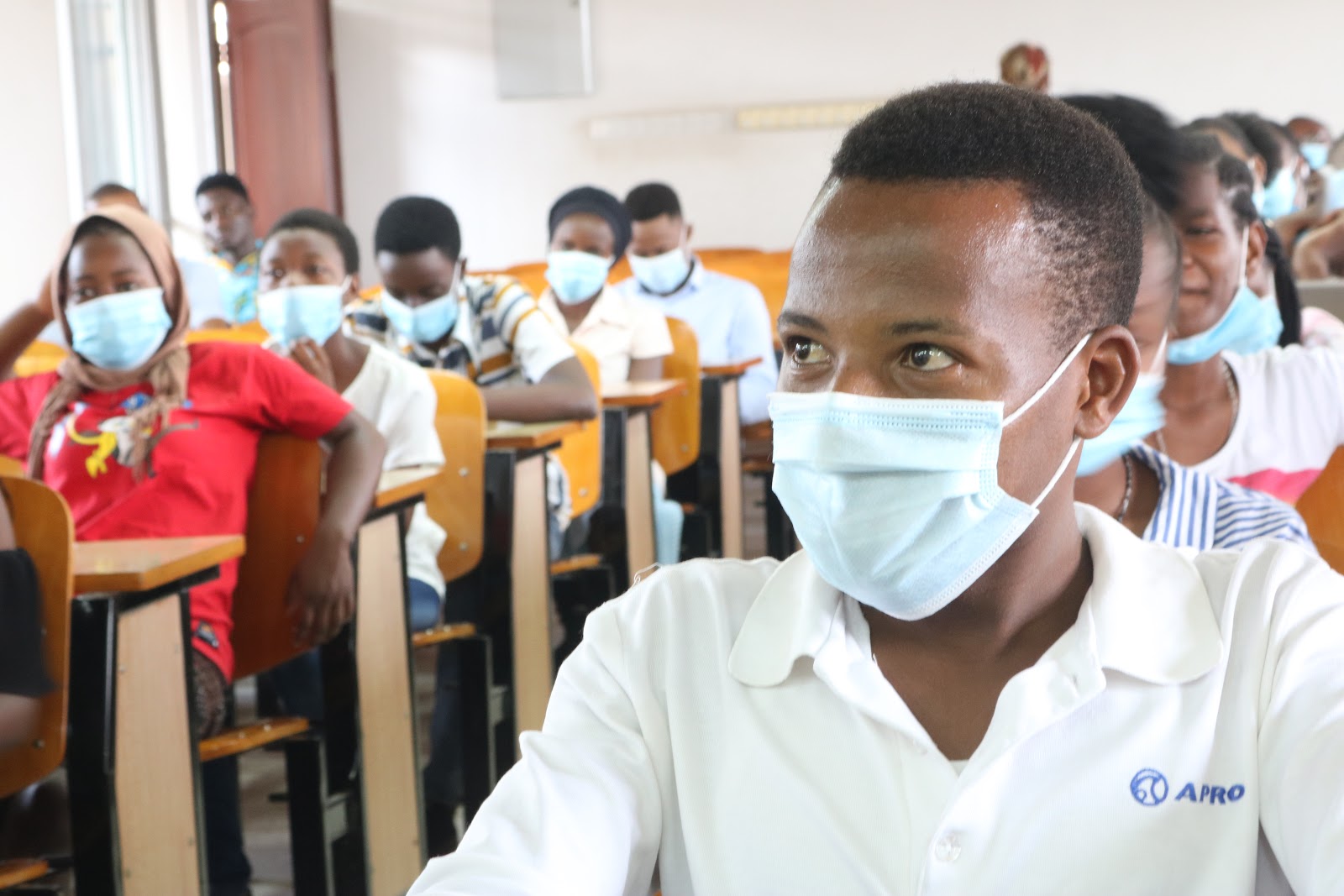
A student learning how to use ODK for Data Collection

Insights from Students

Students are generally motivated and eager to learn more in the coming weeks. According to the students, they didn’t know that their mobile phones could be used for anything other than just normal communication. They shared their minds with us:

“Our mobile phones are much more than just texting and calling, I didn’t know I can use my phone for mapping. I’m really looking forward to learning more, especially field mapping and GIS applications”. Zulfa Said, Student – UDSM

What I like more about this project is the involvement of community members, and this is what brings changes in our society “- Jackson Pilla, Student, SUA.
Categories
Uncategorized

Community Flood Response Mapping and Damage Assessment, March 3rd 2019

As a means of emergency response after a flooding event or inland inundation, flood mapping helps to estimate the extent of the flood on a large scale. It is a basis of coordinating appropriate damage assessment activities, and providing relief to the victims. This blog explains an approach of community flood response by community mapping methods and rapid assessment to determine extent and damage.
In responding to heavy rainfall on March, 3rd, 2019, that resulted in heavy flooding in some wards of Dar es Salaam Tanzania, the Ramani Huria team decided to conduct field mapping to engage affected communities with the aim of conducting a rapid assessment and producing impact maps. In these wards, community leaders identified a total of 1907 flooded houses. The survey was conducted in three of the  most affected wards as reported by local newspaper (Mwananchi). It appears that the impact was severe on these wards due to multiple river channels meeting at these places causing massive outflows to the residential areas as well as inadequate drainage and blockage due to improper dumping.

Ramani Huria visited the affected wards and worked closely with community leaders to conduct rapid  survey and assessment of impacts by:

  • Conducting meetings with community leaders and identifying the affected areas on printed A1 maps of the specific places
  • Field visits to physically assess the situation, taking photos and geo-points in some of the affected areas using OpenDataKit Collect, a mobile application that is used for field survey.

The maps used to conduct this assessment are the risk identification maps that were produced by RH team during the 2018 July summer industrial training. As we reported earlier, the maps were produced for the aim of developing ward disaster management plans with the overarching goal of creating a resilient city.

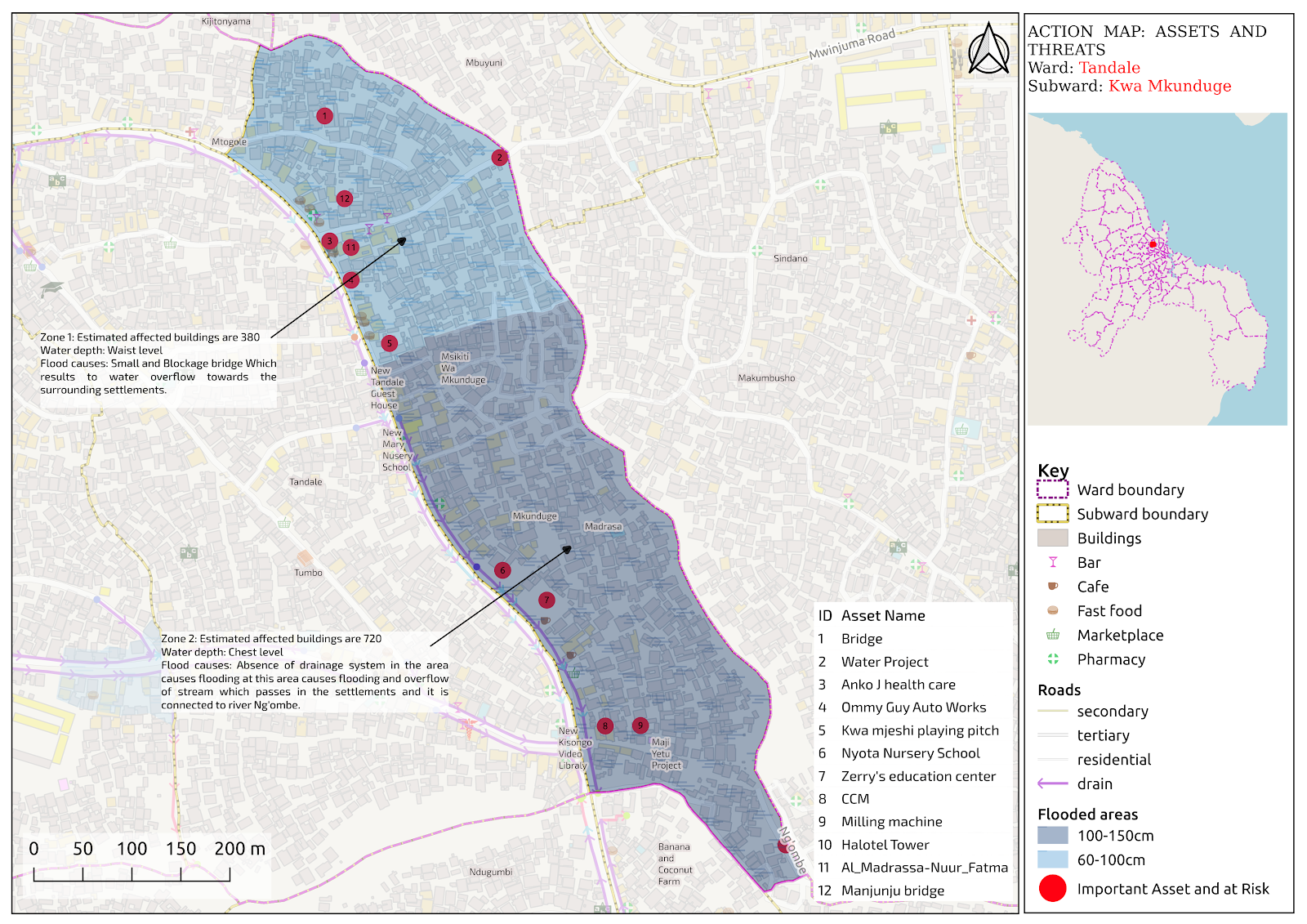
A map showing flooded areas in Tandale Ward, Mkunduge subward was all flooded

More maps created can be found here 

The impact of the foods included loss of properties, destruction of houses, students missing schools for two days because the roads were flooded, and their school books/items were destroyed by the heavy flood. Although there were no casualties, the impact affected communities significantly. Other people evacuated to nearby places that were safe at the moment, but in all these wards there were no specified evacuation centers where citizens can run to when it floods. This calls for government, disaster responders, humanitarian organizations, NGO’s and the community in general to “think” and plan how they can make sure there are safe places to stay when it floods.

Among flooded houses in Hananasif ward, Dar es salaam. The marks in the walls can explain the severity of flood

The objective of this practice was to identify the extent of flooding in the most affected wards as well as the affected infrastructure such as roads and settlements and impaired areas of interest, for example schools and hospitals. The Ramani Huria team will be actively disseminating this report within the affected communities, and working to facilitate dialogue with PO-RALG, the Red Cross, NGOs, World Bank, and other stakeholders to make use of the information for future mitigation efforts, rescue and relief activities in affected areas.

In recent years experts in disaster responses are hopeful for the future of satellite and mapping technology in responding to disaster. If a flood response map is well developed, what you really have here is a map of the future. It can help in predicting the impact of future flood events and help in mitigation measures too.

Simply by recording data from presently flooded areas can be useful when identifying areas at risk of future flooding. With climate change well underway, people are increasingly interested in predicting the ways that flooding will worsen.

Digital data such flood data needs to be (easily) accessible and downloadable data for disaster responders to act quickly and save lives. Thanks to local people, local devices (mobile phones) and open knowledge (free software like OpenDataKit and the skills to use it), they say information should become even more accessible in the years to come. Flood data also needs to be in online interactive maps that can be integrated with mobile applications for easy access. The Ramani Huria team will be willing to provide such data so as to help more people and develop effective flood mitigation measures.

Categories
Uncategorized

Hyperlocal Boundary Mapping

After the risk identification process implemented in 228 subwards of the city, Ramani Huria is now going further to map the lowest level of administrative system that exists in Tanzania. To do this we have partnered up with Data Zetu to map hyperlocal boundaries in Dar es Salaam for better decision making. Finding people with exact addresses is nearly impossible, as most part of the city is unplanned. Therefore, mapping Dar es Salaam to such a detailed level will allow us to address issues at a neighborhood level for the first time. This is very important and will be used in different levels for decision making from individuals to the government.

Dar es Salaam is divided into 5 municipalities, 92 wards, and approximately 452 subwards (a subward is also known as a “mtaa” in Swahili). Within an mtaa there are further divisions known as “shinas” (which translates roughly to “branches” in English). Shinas are sometimes also referred to as a “Ten Cell”, since originally these areas were home to ten households. Now, due to increases in population, it tends to be between 30 and 200 households per shina. Each shina is administered by a ‘mjumbe’ (plural ‘wajumbe’ in Swahili).

Shinas were originally a political construct, related to the organization of specific political parties. However, wajumbe are increasingly functioning as non-partisan public servants, often the first (and in some cases only) point of interaction between citizens and government. Though the political character of shinas has not entirely vanished, we are finding increasing acceptance amongst citizens and leaders (of all political stripes) of the utility of hyperlocal boundaries being mapped and known to all. 

Ramani Huria and Data Zetu have aimed to conduct hyperlocal mapping within 84 subwards of Dar es  Salaam. From 13th September to now 128 hyperlocal boundary data have been collected and 106 have been cleaned and verified for final map production.

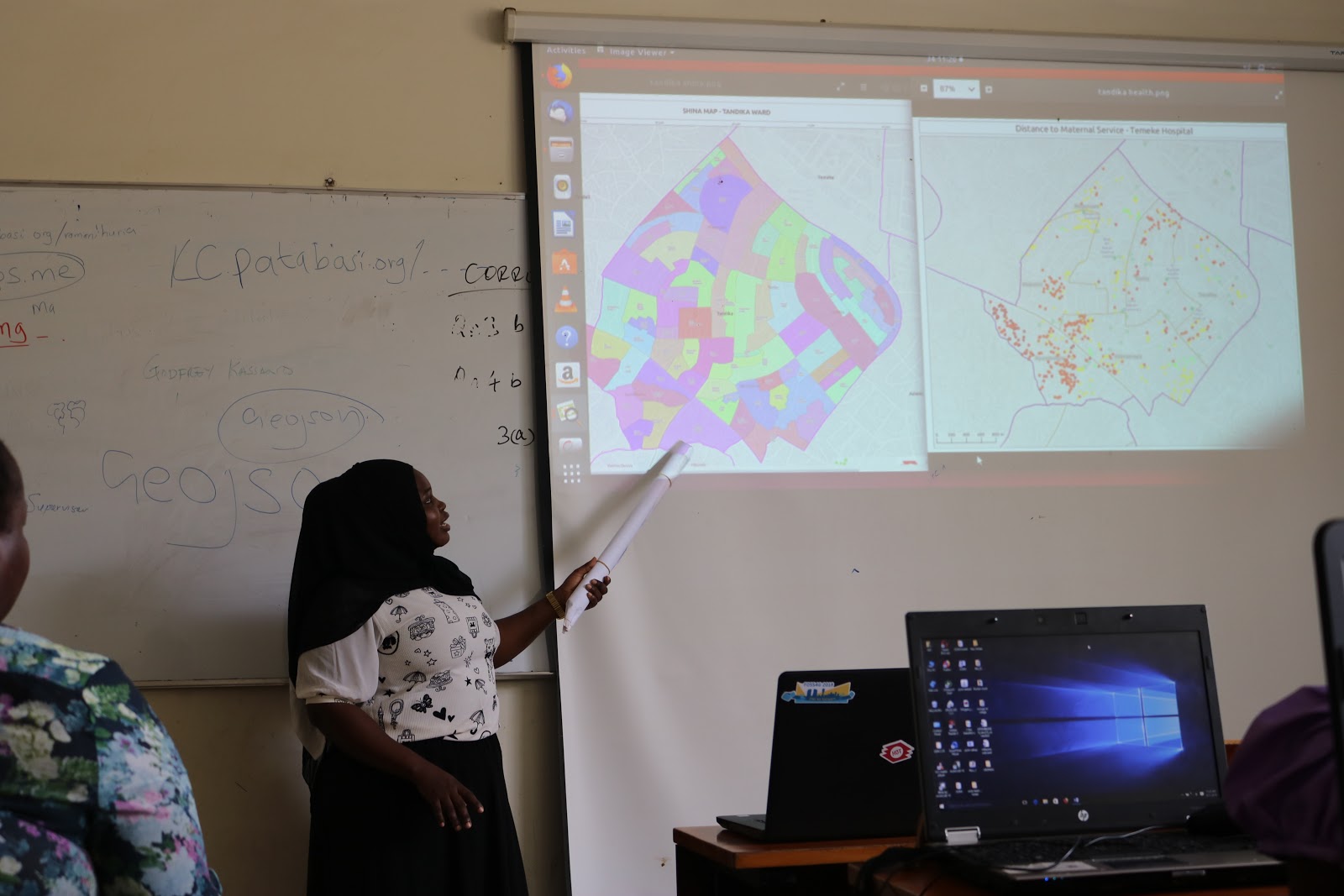
Ramani Huria Mapping Supervisor training university students on how to trace the hyperlocal boundaries and visualized map output. Photo credit: Godfrey Kassano-Ramani Huria

Methodology

  • A student will need a smartphone/Android phone installed with a revised version of Open Data Kit (ODK) which allows tracing lines/polygons easily.
  • Mjumbe, who is a shina leader, works with a student (mapper) to trace the boundary of his/her shina – also explaining the possible uses of shinas to enhance collaboration and participation. A student mapper with mjumbe will walk around the boundary creating a polygon-like structure then fill the right information on the survey such as number of shina, name of shina mjumbe and others.
  • After tracing the shina boundary, mjumbe and mapper use the the printed aerial imagery as a field paper to compare what has been traced from the field with the image to make sure they have traced the correct boundary. 
  • Then students will send a form/survey to the server for further processes.
  • Data will be downloaded from the server which will be digitized through QGIS software, analysed and a hyperlocal boundary map produced.

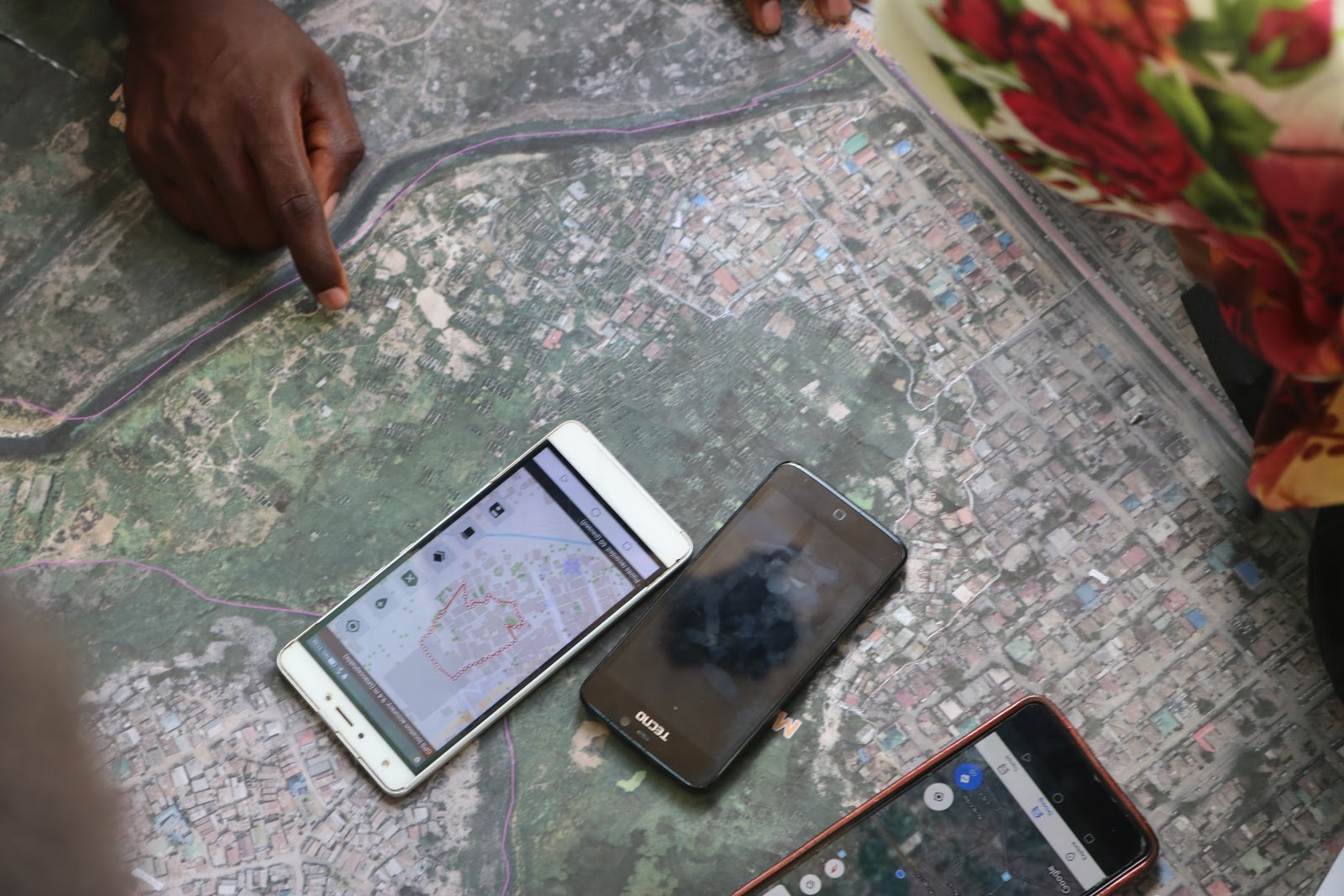
Students with shina leaders verifying the correctness of traced boundary on ODK with the printed aerial image of the subward before sending to server. Photo credit: Godfrey Kassano-Ramani Huria

Community Insights

Community leaders had their opinions on the process of mapping shinas and they are expecting these data will be used to benefit them as a community, which is actually the goal of collecting them. Subward chairperson had some thoughts:

“With shina mapping it will help us to solve different problems in our communities since people will be clear with the administrative boundaries of their local leaders. Am happy to work with this organization and hopefully my representatives have fully participated and they are also happy for the work that your doing.” Abdallah M. Simbili, Chairperson Liwiti Subward.  

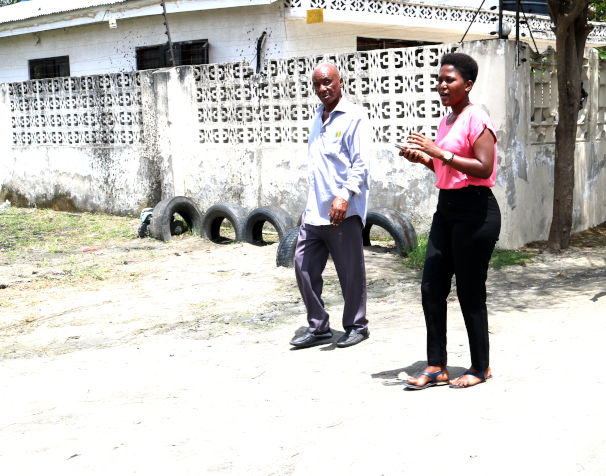
Shina mjumbe in Msimbazi Subward – Tabata Ward showing the student mapper his shina boundary during field data collection. Photo credit: Godfrey Kassano-Ramani Huria

Possible uses of Hyperlocal Maps

  1. Help the ward officers to manage the areas by allowing the ward/subward/shina leaders to better understand the structure of their areas. 
  2. In case of emergencies (e.g. fire outbreaks or flooding), shina maps can be of help in responding to these disasters as the location of the target is known.
  3. In hospitals, tracking people’s origin by identifying their shina number at the registry- this will help to track patients with diseases like cholera, or malnutrition in children.
  4. Shinas help the local people to know their representatives on the subward level since most of local problems are solved from the shina level. 

Locating Malnourished Children and Help with Intervention

Malnutrition remains  one of Tanzania’s greatest  human development challenges. Despite  displaying seemingly ‘low’ and ‘acceptable’ rates of acute malnutrition, the burden of undernourished children is one of the highest in the East African Region. An estimated 450,000 children in Tanzania are acutely malnourished or weak, with over 100,000 suffering from the most severe form of acute malnutrition.

With one of the highest burdens of undernutrition in East and Southern Africa, it is not solely individual lives in Tanzania that are threatened, but also the economic advancement of the next generation that is at stake. Individuals – both adults and children – who experience varying levels of malnutrition will struggle to take advantage of opportunities in, for example, education and employment that would enable them to improve their livelihoods. Understanding the devastating impacts associated with societal malnourishment, particularly amongst children, it is absolutely crucial that appropriate measures are put in place by those actors who are in a position to do so to mitigate such consequences.

Case Study: Amana Regional Referral Hospital in Dar es Salaam, Tanzania

Through the Data Zetu program, our team has been able to utilize the shina data collected across 36  subwards to support the Amana Hospital – one of 4 referral hospitals in Dar es Salaam serving between 800 and 1200 people each day – in improving their methods for collecting patient location data and enhancing patient origin tracing. One pediatric doctor at Amana Hospital, Dr. Omari Mahiza, has a keen interest in implementing a system that would enable him to record and track the location of the malnourished children he treats. By knowing more precisely where his patients are coming from, he is able to investigate why and the reasons for children’s malnutrition from one community to another and, in turn, uncover in more detail the causes that lead to this condition from one household to another. 

For the past few months, the Data Zetu team has been working with the IT company who built the electronic medical record system at Amana Hospital to incorporate shina data and nearby landmarks into the system. The new fields in the e-health registry will enable staff to record more precise location data of patients who visit the hospital and support Dr. Mahiza and his colleagues in being able to pinpoint the home address of their patients more easily. Whether the motive is to investigate specific cases of malnutrition and the habits that lead to this condition or to locate the source of a seasonal outbreak, such as cholera, within a community, shina maps allow for this to happen more efficiently within a given community.

The next step for the Amana Hospital intervention is to provide training and capacity-building to local staff, such as registration attendants and nurses, about the importance and value of recording detailed patient location data in the e-registry. To ensure there is genuine understanding and interest among staff to record patient location data more systematically, our team will focus on facilitating discussions and highlighting use cases that exemplify the role that maps and other spatial tools play in strengthening public health in communities.

Beyond health interventions Shina maps can also be used in disaster management, facilitating disaster response as well as increasing the overall flood resilience of communities. For example, having more granular level administrative boundaries can increase precision in identifying affected areas and speed up the distribution of relief resources during and immediately after a flood event.  Likewise having maps of shina boundaries may also prove useful to local administrators when directing and implementing infrastructural improvements.

Categories
Uncategorized

Two Hundred Subwards of Dar es Salaam to be Mapped by University Students in the Next Six Weeks

On the 23rd of July 2018, Humanitarian Openstreetmap Team (HOT) began scaling up the World Bank funded Dar Ramani Huria project, training over 400 students who will map flood hazards in Dar es Salaam.

This year Ramani Huria is working with students from the University of Dar es Salaam and Ardhi University, aiming to extend to other universities in following years such as Sokoine University of Agriculture in Morogoro and the State University of Zanzibar.  The students participating in this summer’s program are from diverse academic backgrounds, including participants studying Urban Planning, Geomatics, Community Development, Environmental Science, Geography and Environmental Studies.

The increasing hazards of climate change, rapid urbanisation and population growth, are all contributing to increased flooding in Dar es Salaam, a situation which is set to escalate as the population expands from the current  five million people to almost double in the next ten years. This tremendous increase in population growth has resulted in a city comprised of over 70% informal, unplanned settlements, with a significant number of lower income inhabitants living in hazardous areas i.e. along major flood zones  such as the Kibangu, Msimbazi and Ng’ombe rivers.

Particularly for vulnerable populations, such as those living along the flood plains of Dar es Salaam, the need to be on a map is crucial. Mapping vulnerable communities proves their existence, their rights and their needs. By training local students to add to the map, we are empowering them, as future decision makers, planners and engineers, with new tools and knowledge, to make sure that every inhabitant is counted. 

“To be on a map is to be acknowledged, is to be known, is to be recognised, is to be counted. It is for the world to know that you are there and that you have needs, that you have dignity, and that you have rights.” – Ivan Gayton, HOT Tanzania Country Manager

 Photo: Students are introduced to the Ramani Huria project during Industrial Training, July 2018. Photo credit Ramani Huria.

This summer, Ramani Huria will map 44 wards – about 200 subwards of the city – affected by floods in Dar es Salaam. To achieve this, more than 400 students will be trained to use simple and economical tools to map. The mapping will be done by conducting community meetings in these subwards and allowing community members and ward/subward leaders to identify assets (things that are important to them), threats (things that the community thinks may flood if the hazard continues unabated) and issues that contribute to flooding in their subward. A report on the pilot community meetings for this project can be found here

The training kick off took place at the University of Dar es Salaam’s College of Information and Communication Technologies (COICT) Kijitonyama. Originally, 350  students were expected to join, but almost 600 hundred students arrived to join the programme. At first, it was a bit challenging to respond to the extra number of students, especially for the management team, but it was amazing to see such a big group of people interested in the project.

Introduction of the Project 

The project was introduced to students by World Bank Community Engagement Consultant Nyambiri Kimacha, who mentioned how important the project is to the communities directly affected floods in the city and the students who are learning new technologies and simple mapping tools. She also showed her gratitude to the students who had signed up to the training,  

 “It is amazing to see all of these students (600) coming together to map the city to help in flood resilience.” – Nyambiri Kimacha, World Bank Community Engagement Consultant

HOT Tanzania Country Manager Ivan Gayton introduced students to the different activities that Ramani Huria is doing including drone development of a quadcopter, drainage mapping, elevation measurements and community outreach events. He motivated students to work together in helping the community in need who are affected by flooding, and also inspired them to learn new skills and develop their career goals.

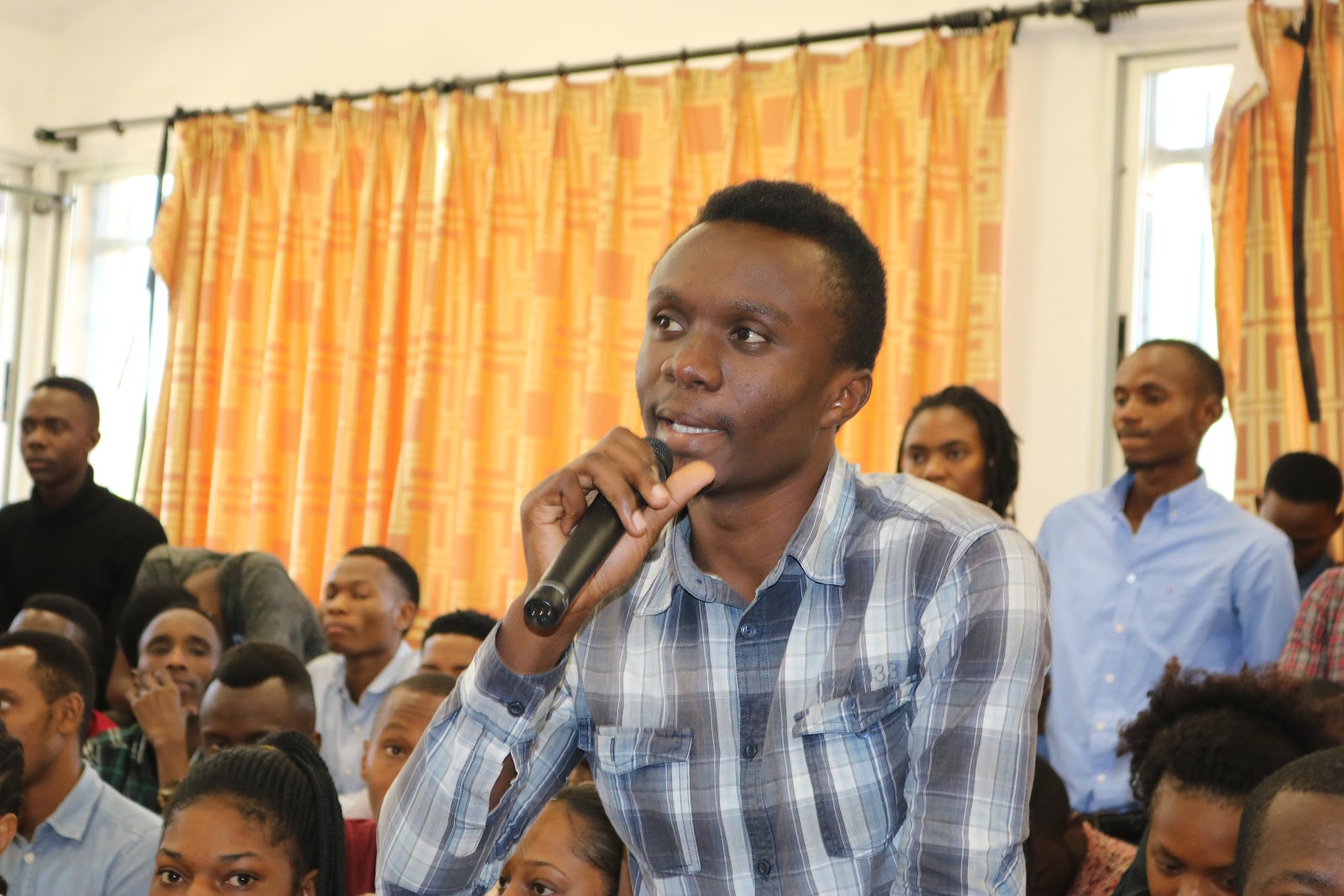
Photo: A student asks for additional information  during July 2018 Industrial training, Photo Credit Ramani Huria

“If you have seen how many people are affected by floods you will do community mapping for free! And with passion.” – Ivan Gayton, HOT Tanzania Country Manager

Briefing of Tools and Software 

After this welcoming note from both HOT and the World Bank, students were introduced to the community mapping methods, open data and open software that are used for Ramani Huria. They learnt the importance of using open data in humanitarian response and how the international community that is utilising open data is expanding. Examples of the open software that Ramani Huria uses for data collection, processing and map production was introduced, including OpenDataKit (ODK), OpenMapKit (OMK), QGIS, and JOSM.

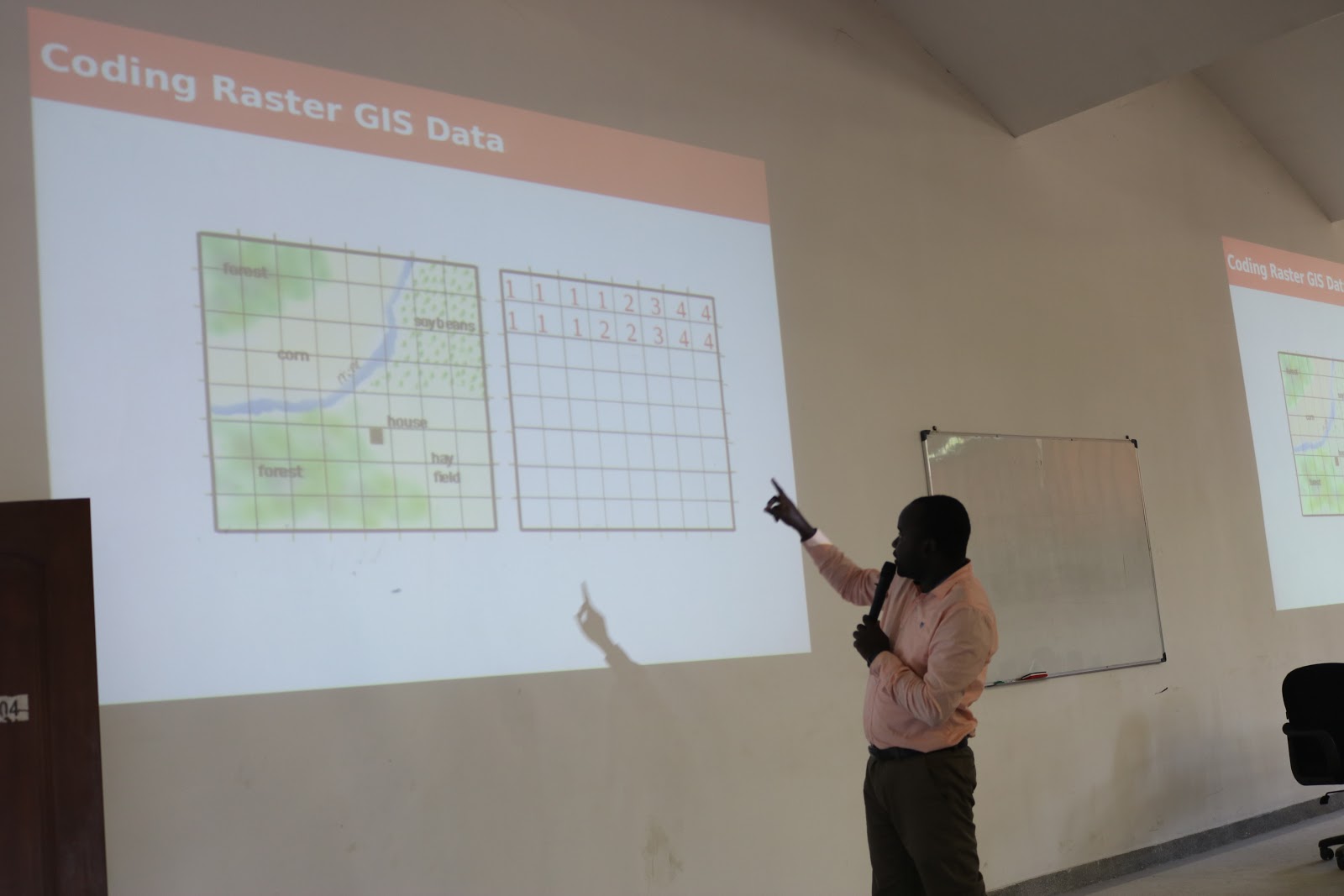
Photo: Ramani Huria GIS Specialist Iddy Chazua gives a briefing about GIS data formatting at Industrial Training July 2018; Photo credit Ramani Huria

Students were introduced to the OpenStreetMap (OSM) platform, an online database that is a free, editable map being built by its users. OSM stores enormous amounts of data which is collected by local communities and remote mappers across the world .

“OSM data is from the (global OSM) community. OSM is owned by the community. You are the community, feel proud to be part of this community.” – Iddy Chazua, HOT Tanzania GIS Specialist

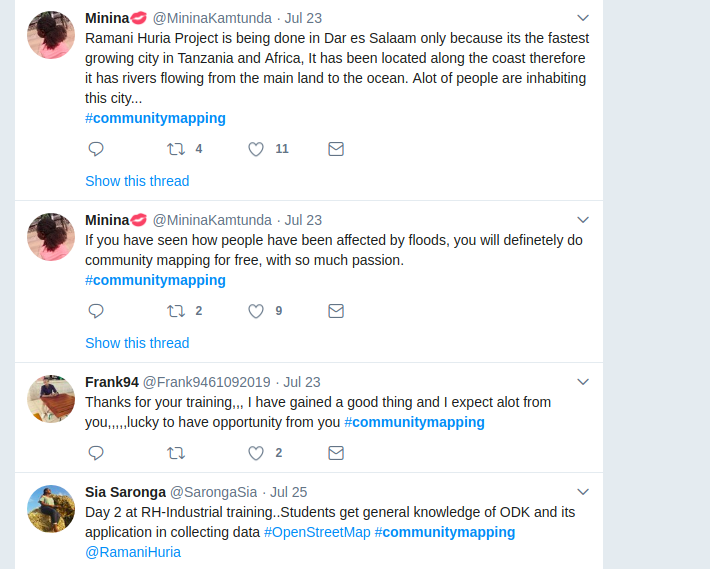
We had a lot of tweets coming out from students with the tag #communitymapping  about the training. The tweets demonstrated how excited the students were to be part of the OSM community.

Screenshot: some students’ tweets during the training

After the first day of orientation to the project, the students moved to the main training venue at Ardhi University, one of the key partners on the Ramani Huria project through which many student mappers have previously been recruited. The students were split into groups to receive more training. There are now six groups of about 100 students each with a diverse range of ages, genders and academic studies. Each group is led by one senior supervisor and three junior supervisors.

Trainings

During the first week of training there was an introduction training on different software and applications that we use in mapping.

The software included, JOSM, OSM, and HOT Tasking Manager, OpenDataKit (ODK) & OpenMapKit (OMK).

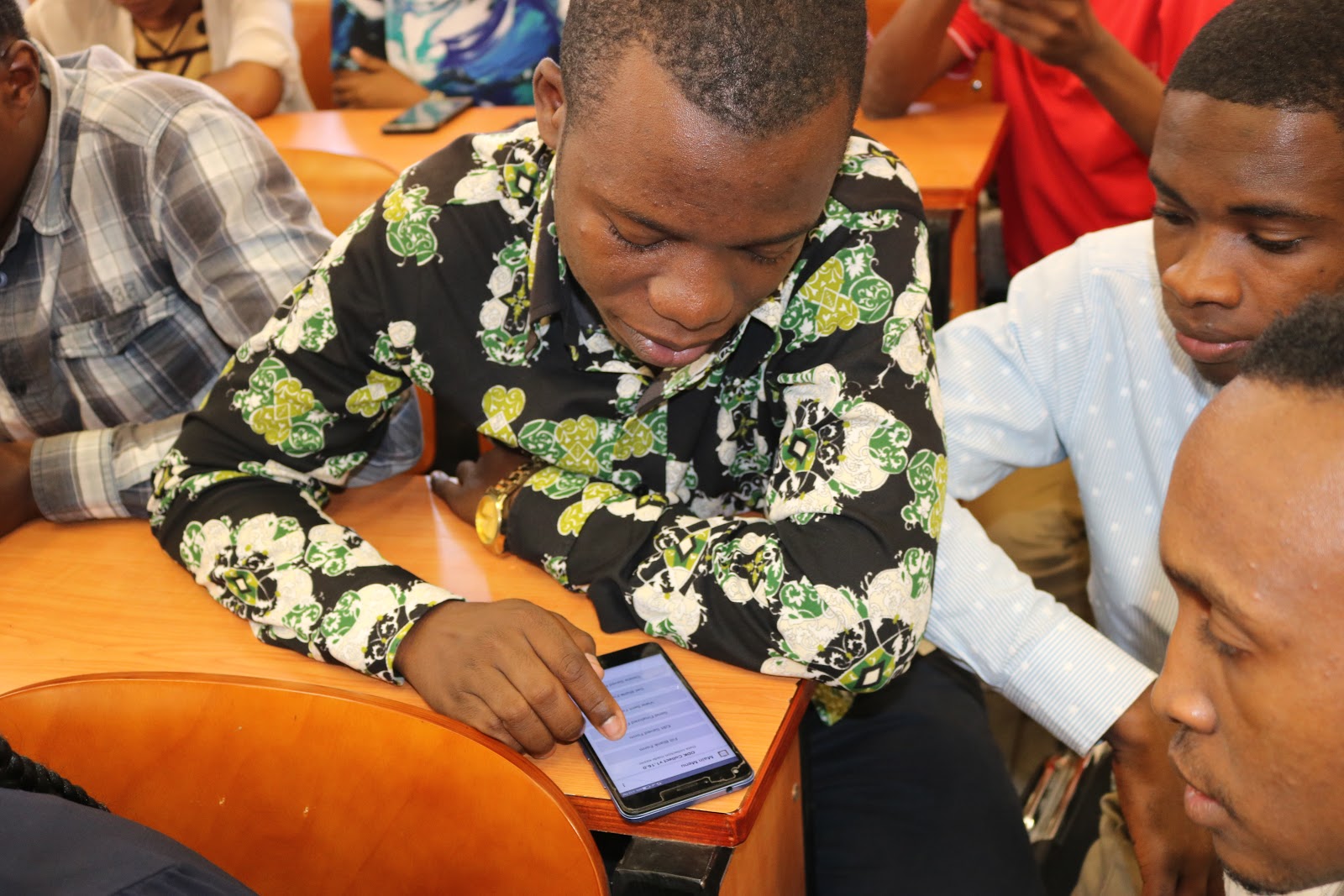
Photo: Students working  together to explore the OpenDataKit (ODK) android application during the training, Photo credit: Ramani Huria.

Using ODK and OMK is an easier way to collect enormous amounts of data since most students own android phones. These two applications (ODK & OMK) will be used by students to collect information in the field. Students have been learning practically how to collect field data using ODK and OMK, and have also been trained on how to create surveys on ODK to make them have a clear understanding on how the questions have been developed and deployed.

Photo: Field practice, students learning how to fill out an ODK survey. Photo Credit Ramani Huria

In celebration of World Clean Up Day which will be celebrated for the first time in Tanzania on the 15th of September 2018,  students will map trash in the city (mapping all formal and informal waste points in the city) using ODK. Ramani Huria will map trash in the city in collaboration with Nipe Fagio  the appointed lead partner in Tanzania by the Let’s Do It Global Foundation, for what has been called ‘the largest positive civic lead movement in world history’, with the aim to unite 5% of the global population in a one-day cleanup action, and making a plan to keep it clean. This will be the first real field experience for the students before commencing on mapping the 44 flood-prone wards of Dar es Salaam. 

We will keep you updated on the progress of this large group of motivated students and the progress they are making in mapping a more flood resilient future for Dar es Salaam.

Categories
Uncategorized

Community mapping for flood modelling 2.0

Dar es Salaam’s Ramani Huria 2.0 project is one of the most comprehensive community mapping projects currently ongoing. A large use case for the collected map data is improving knowledge on flood hazard, vulnerability and exposure, all three components of the risk framework. Mapping of the type, dimensions and state of the drainage network is an important component and has the potential to establish detailed flood inundation models that can be used to simulate floods at unprecedented scales. Earlier, we reported on the state of the drainage mapping after Ramani Huria 1.0. Now, all drains are being remapped with a detailed drainage model and with attention to connectivity. The first 20 wards have been mapped and in this blog we report how well underway we are.

By: Hessel Winsemius, Hawa Adinani, Amelia Hunt, Ivan Gayton, Iddy Chazua, Amedeus Kimaro, Paul Uithol

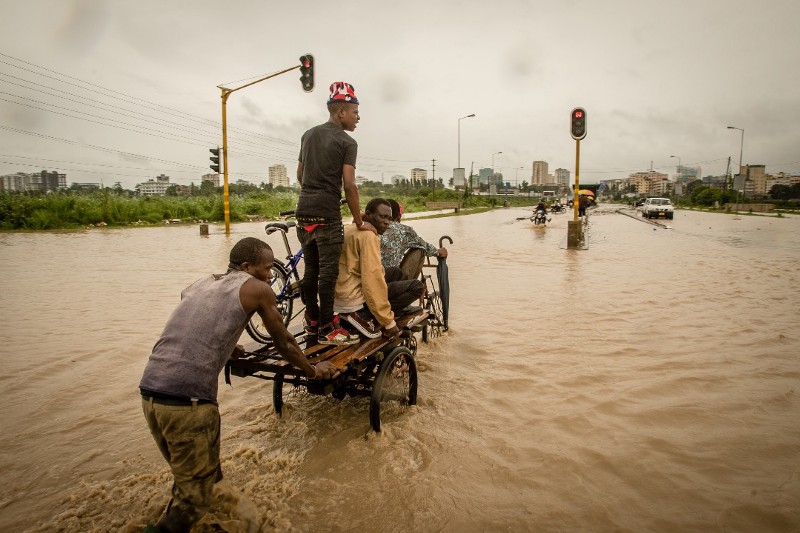
Flooding near Jangwani bridge on 15 April 2018

A specialized Ramani Huria drainage mapping team has been active in surveying drainage data, cleaning and quality checking with the result that there is now accurate drainage data for Mikocheni, Msasani, Kinondoni, Mwananyamala, Sinza, Kijitonyama, Hanansifu, Ndugumbi, Makumbusho, Mzimuni, Tandale, Manzese, Buguruni, Vingunguti, Magomeni, Kigogo, Mchikichini, Ilala, Mkurumula and Mburahati. Let’s show you the results with interactive maps, and refer back to how we did it.

QGIS layout of all drainage data available in June 2018

How well are we following the data model?

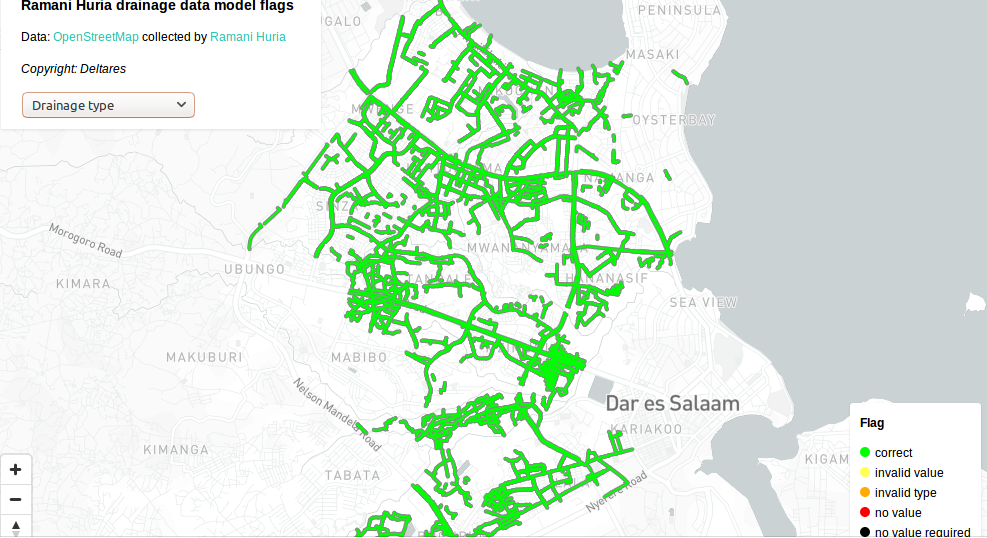
Interactive map for data model accuracy. Click on the top-left draw down menu to check the completeness of different tags. You can zoom in and out to inspect details.

In the interactive map shown above, the progress in mapping can be found. The maps shows all linear features mapped so far, that in any way are related to drainage. These include channels, culverts, ditches and underground drainage. For each drain, a number of attributes should be collected, following a pre-defined data model. This ensures that for a specific drain with a specific shape, the right information is collected. A drainage data model was setup that is followed as accurately as possible in this way. We explain a bit more about this below.

The initial view of the interactive map shows the quality assurance of the ‘drainage type’ attribute, which has to be filled out for any drain being mapped. The colors in the map show ‘green’ where a correct value has been filled out, yellow, where a value was filled out but it does not follow a pre-defined set of possible inputs, orange, where an invalid data type was used (for instance a string instead of an integer) and red, where no value was entered. Summarising, you are looking at quality flags for tags to be collected. You can click on the drop down menu to select quality flags for different tags. And you’ll see that the mapped tags are mostly complete. To ensure the completeness, we have developed and applied software to quality assess how well the data model has been followed. The code for this is continuously developed and available as open-source tool including examples and documentation on https://github.com/openearth/hydro-osm. The Ramani Huria drainage mapping team now uses this software on a daily basis to assess the quality of drainage features in recently mapped areas.

But what do the black lines mean?

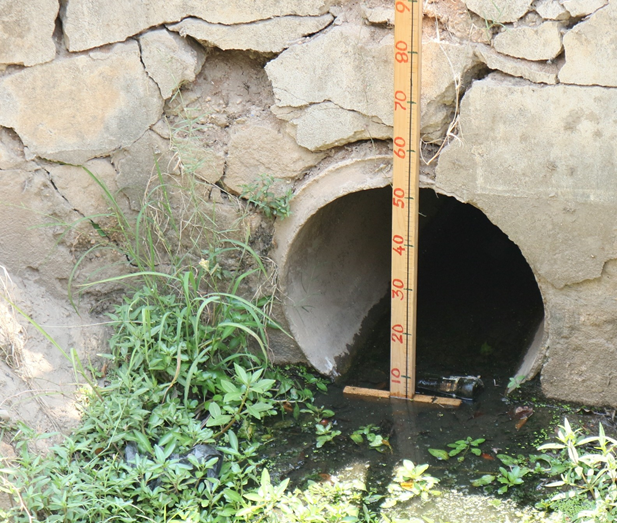
Since our last data quality check, a lot of changes have been made to our data quality routines. We are now able to handle “conditional data models”. This means that for instance certain attributes must be collected only when other attributes already apply. For instance if a drainage type is culvert, then also identify what culvert shape it should have (boxed rectangular or round). And if a round drain is found (such as shown in the picture below), then also measure the diameter, while if a rectangular drain is found, also map the width, and box height. The drainage mapping team prepared a very extensive data model, for drains as well as other features in the city, which follows this conditional model.

Example for a culvert, a typical closed circular drain, requiring collection of the height above the neighbouring street, diameter, material, state and blockage.

Dar es Salaam/Ramani Huria – OpenStreetMap Wiki

Data collected as part of Ramani Huria conforms to a model. The Data Model specifies what types of attributes are…wiki.openstreetmap.org

The importance of mapping the right attributes for each feature are large. Dimensions are necessary to understand how much water can be transported through a channel or other drainage feature. The maintenance state is important to understand how much obstruction can be expected within the channel network and can possibly be used to simulate the effect of the poor drainage state compared to if the state of the drains was very good.

How do we collect these attributes?

To enable community mapping teams to collect these data in such a complicated conditional data model, we use the OpenDataKit tool (ODK). ODK basically guides a surveyor through a number of questions in a very intelligent way through a smart phone application. ODK can run offline with temporary storage on the phone. When connected, the surveys can be uploaded to a central server. ODK will ask conditional questions. For instance, it may first as “what feature are you mapping”, where you can answer building, street, drain, and so on. After that, if the surveyor enters drain, it may ask “what type of drain”, and then based on the type of drain ask for additional details such as shape and dimensions. In this way, the conditional data model is followed accurately. For more information on drainage observations and tools, we refer to our blog on Building Open Tools to Map Drains.

An ODK survey page

How well is the drainage network connected

The first interactive map showed how well the required attributes were collected. This is one important aspect of drainage data. Another aspect is connectivity. In a sound urban drainage network, you would expect that one drain is connected to the other, and that eventually the network would reach a downstream outlet in a larger stream, river or the ocean. In our first blog on this subject, we have noticed that many connections seemed to be missing, but we also flagged that this may be due to issues in mapping these, as well as real conditions where drains are simply not properly designed or not fully connected. Therefore, the drainage mapping team has extensively mapped observed begin points of drainage networks, outlets, and open ends of drains. Our data quality assurance tools are used to check whether drains are connected to at least one begin point and at least one endpoint. End points can be either a dead end, an outlet to a larger water body, or flow towards a neighboring ward, if this ward has not been mapped yet. Below you can find the result so far over the 20 wards currently mapped. Through a radio button you can see both connections to begin and end points. Nearly all drains appear green, meaning that mapping of the appearance of upstream and downstream ends is very complete (red means there is no mapped connection, and a revisit is still necessary). The map also shows the mapped begin and end points with colored dots. All the purple dots are places where the drainage network simply ends in nothing. We argue that these places may be risky places, especially when a large upstream drainage network flows towards them.

In conclusion: Ramani Huria is underway to produce the most complete and accurate drainage map of Dar es Salaam. Our prospect is that we can start building the most accurate and detailed drainage model to understand flooding, its impacts, and attribution of limited infrastructure, maintenance, and solid waste on flood risks. The one missing link is elevation data. Essential steps to generate this within Ramani Huria are underway. Please check out this blog for more information.

Interactive map showing connectivity of drainage features to begin points and end points. You can zoom in and out to inspect details.

Categories
Uncategorized

Mapping for EBOLA in DRC Congo: Creating spatial data sets to help responders in the field

“These people have never been mapped, nobody has ever cared enough about them to even know where their house is. So these houses that you have been tracing today, is the first time that anyone has ever cared enough about those people in that distant part of the Congo enough to know where they live and put them on the map. To be on the map is to be acknowledged, it is to be known, it is to be recognized, it is to be counted. It is for the world to know that you are there and that you have needs, that you have dignity, that you have rights, and you have given that to 150,000 people today.” – Ivan Gayton

On 9th June Ramani Huria prepared a mapathon aiming to trace roads and buildings to help the heroes fighting Ebola on the ground in the Democratic Republic of the Congo (DRC).

How can maps really help the fight?

During the 2014 Ebola outbreak in West Africa, which killed over 12,000 people, digital mapping became increasingly important in helping emergency managers with their humanitarian emergency response operations.

When considering the best tools and skills to respond to the Ebola crisis in West Africa, in 2014, Doctors without Borders/Médecins Sans Frontières (MSF) sent a dedicated Geographic Information Systems (GIS) officer to Guinea to support the local and international medical teams who were fighting the Ebola-outbreak. The objective of this deployment was to find out whether input from a GIS specialist was useful during a crisis. The MSF GIS Unit asked Ebola facilitator Timo Luege to write a case study showing the impact of this field-based GIS officer. Some of the key findings were;

  • Despite working in a very remote area, the GIS officer had adequate internet connection which allowed him to reach out for remote support. Among other things this made it possible for volunteers from the OpenStreetMap (OSM) community to contribute directly to supporting the response. This case shows how crowdsourcing can contribute to humanitarian emergency response such as epidemics.
  • The GIS Officer in the field, along with local staff, was able to provide context to the base maps that were produced remotely. Both the remote and field components were important – without remote support to produce sufficient OSM basemaps, the GIS team on the ground wouldn’t have had a baseline to upon which to build out granular GIS data (e.g. health facility locations) needed to respond effectively to the crisis. 

Remote mappers digitising roads and buildings in DRC using the HOT Tasking Manager

This historical case study inspired Ramani Huria to support the current Ebola crisis in DRC. The team decided to host a mapathon to map villages that are affected by Ebola or at-risk in DRC by tracing building and roads which will then provide a basemap to GIS analysts in the field who are vital in helping humanitarian and development organizations working in the area.

HOT Tanzania Country Manager, Ivan Gayton, also shared his experience of the Ebola outbreak in Sierra Leone which he witnessed during the deadly epidemic in West Africa as MSF staff. He explained to mapathon participants the incredible work of health professionals and responders working on the ground and how maps can support their work in tackling Ebola and other epidemics. As trade has increased in rural Africa, the rate at which diseases such as Ebola can spread has increased dramatically. Responders on the ground are tasked with contact tracing patients and vaccinating and isolating those they believe have been exposed in order to prevent the spread of the disease. Without adequate basemaps, medical professional face the next to impossible task of tracking the locations of those who have been exposed to Ebola. Supporting via remote mapping helps people trying to manage the Ebola outbreak on the ground to do contact tracing by providing a quicker way for them to locate the villages Ebola is coming from and stop the outbreak. 

A total of 75 mappers, and 94 participants, attended the mapathon and within two hours had added 37,583 buildings to the map. This is the equivalent of adding approximately 187,915 people to the map, making it easier for responders to locate and track patients and provide humanitarian support to save lives.

Group Photo of Volunteers at the Mapathon

We hope that responders in the field will use the data set created by Ramani Huria as a basemap to help them lead the fight on the ground. Ramani Huria team will always be willing to provide remote support to those heroes in the field.

Useful links:

Categories
Uncategorized

Using Cheap and Practical Devices to Measure Elevation

Ramani Huria and The World Bank are trying to figure out the best way to calculate elevation in Dar es Salaam so that it can be integrated into the flood model that is currently underway. Measuring elevation requires a series of complicated measurements. 

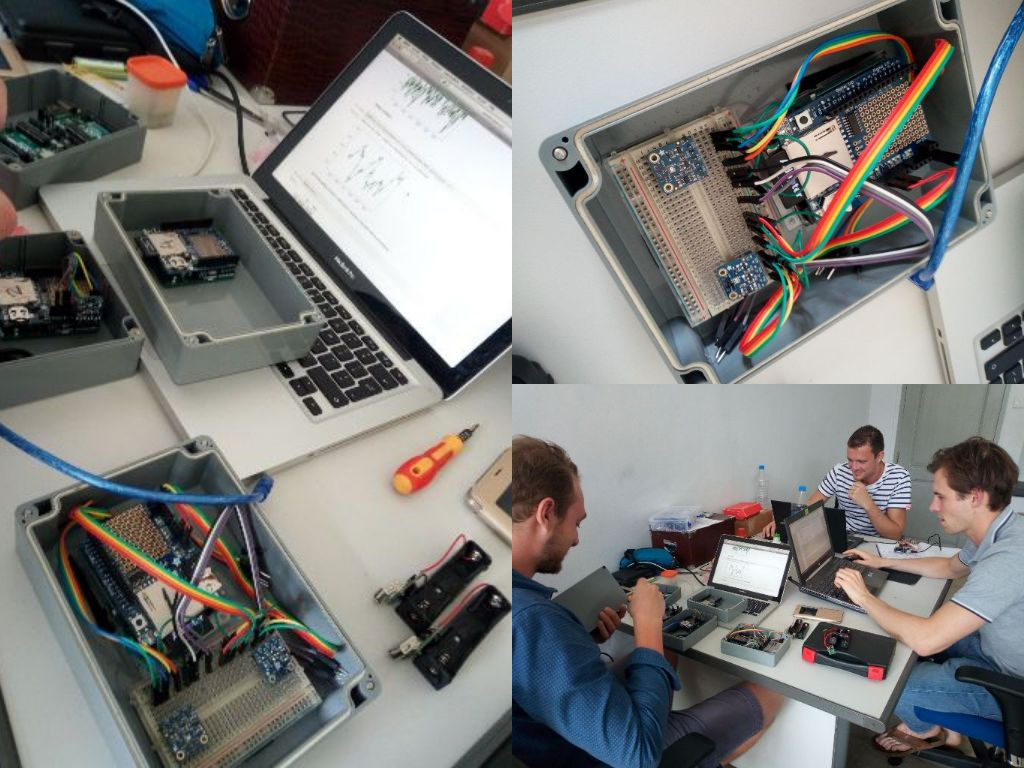
At the end of April 2018, three Civil Engineering students from Delft University of Technology in the Netherlands – Huck, Detmar and Martijn – arrived in Dar es Salaam to build cheap and practical devices to measure elevation. They will be spending two months in Dar es Salaam to work with Ramani Huria, a community mapping project. They believe the RH team is a very motivated team of young people that  can make community mapping a real and usable source of open data, and they have realised how important and difficult it is to have an accurate and up to date map of such a fast growing city.

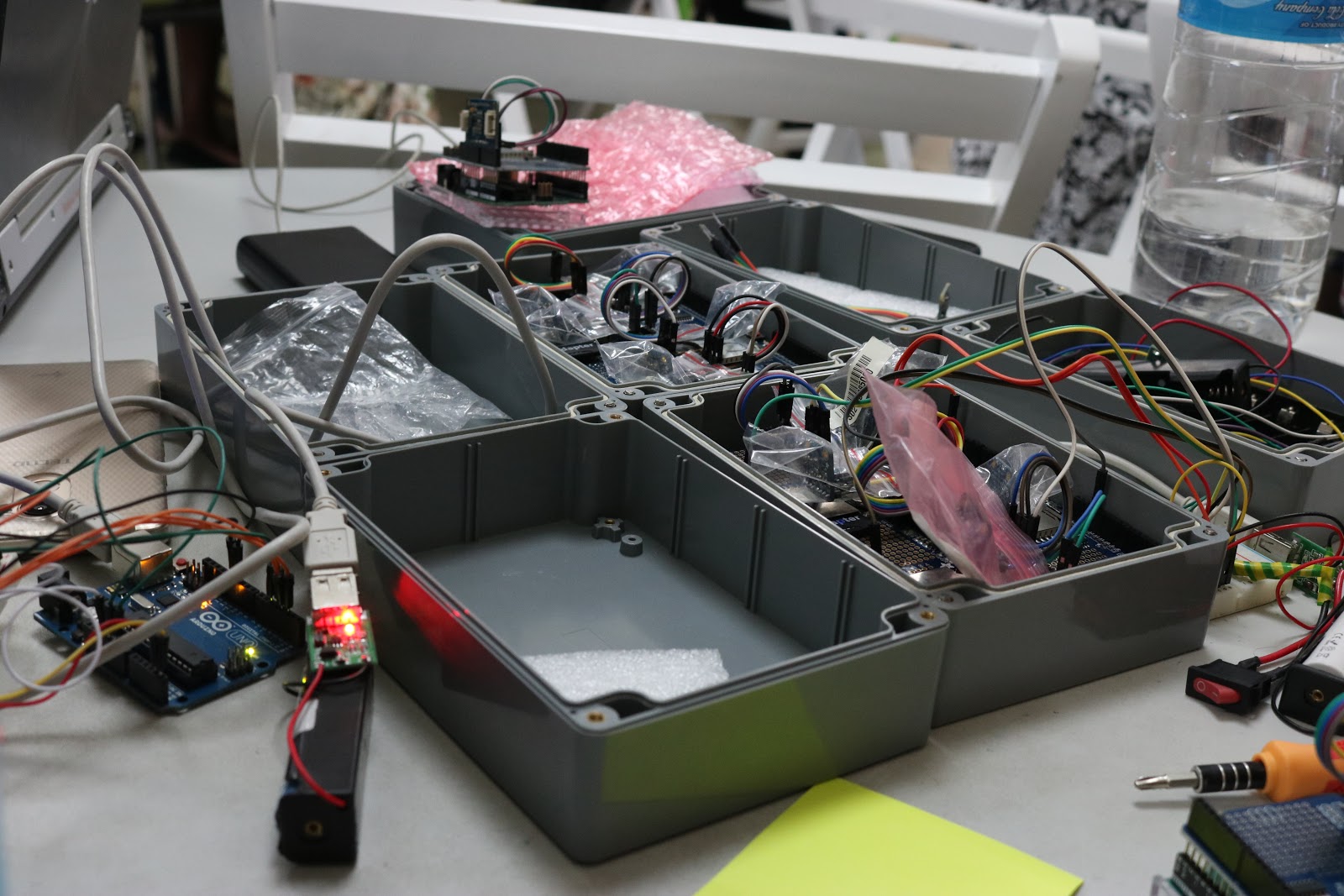
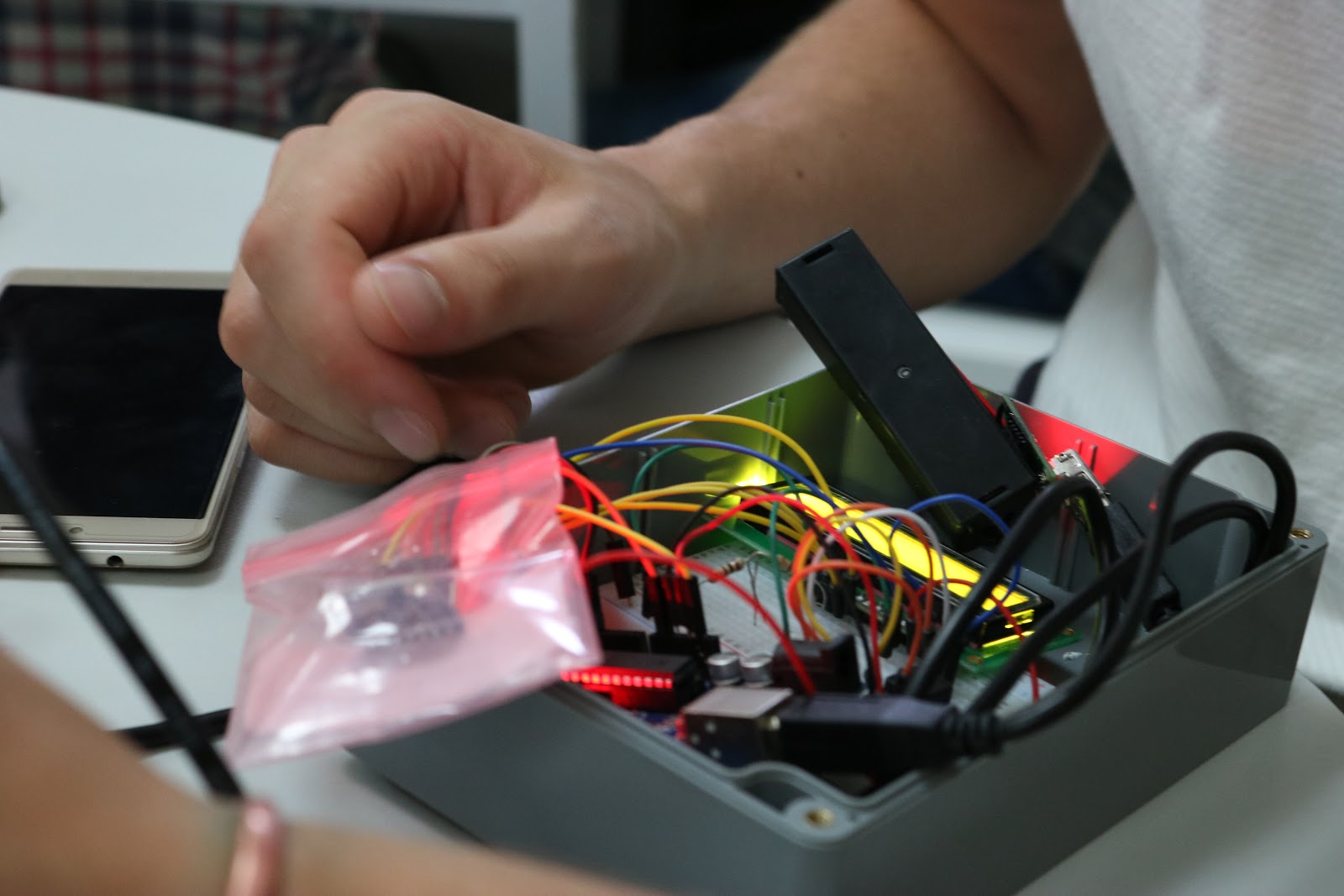
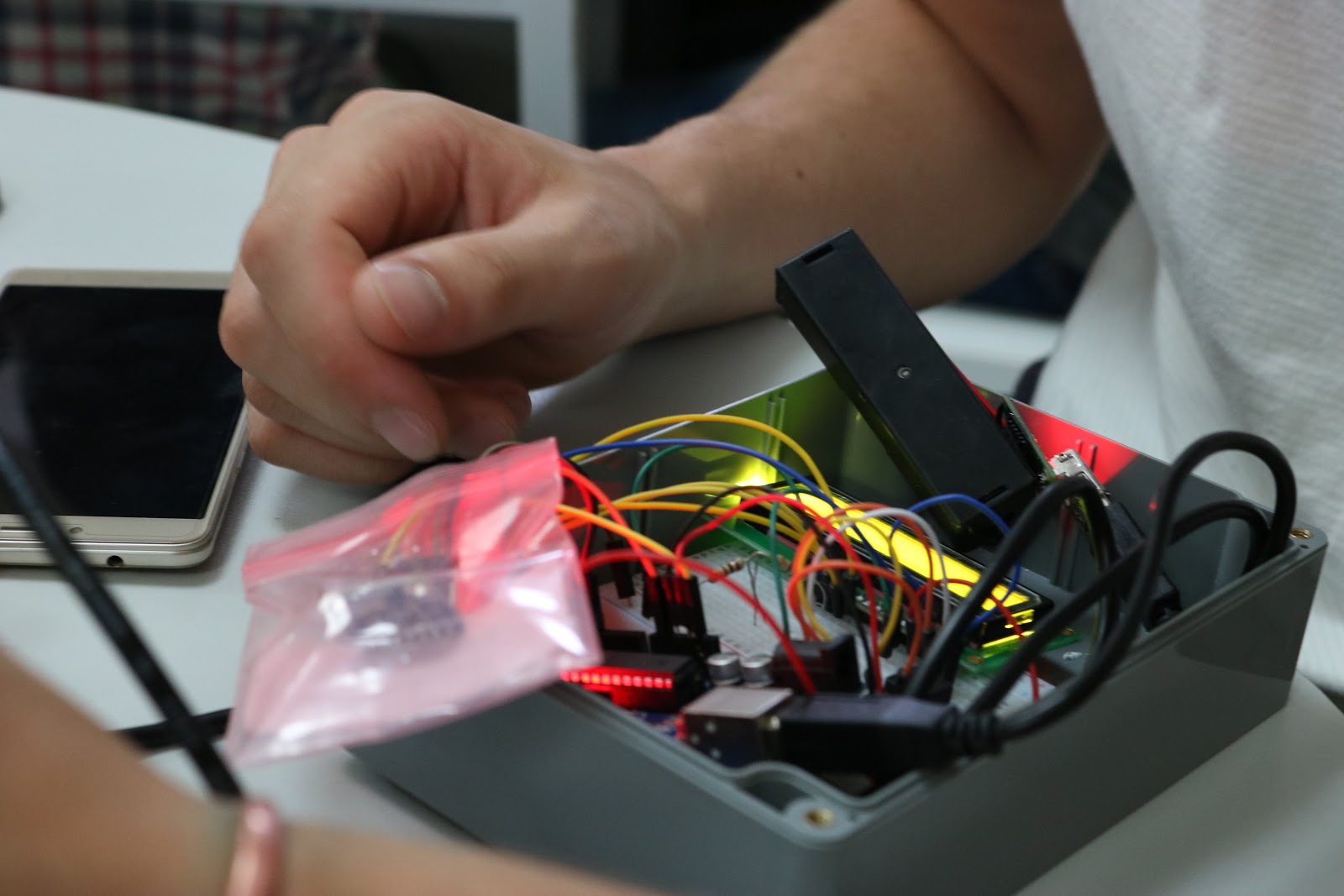
Their project objective is to generate elevation readings which are as accurate as possible using temperature and barometric pressure. They will do so using an arduino combined with a Bosch BMP280 inside a watertight box. The goal is to cancel out the noise and errors from the sensors to get an accurate and usable elevation reading to implement and integrate into OpenStreetMap. 

This is the first time that they have worked with the BMP sensors so it is a new experience for them to trial how these sensors react within an urban environment. If they succeed in doing this, it will be possible to create an accurate elevation model of a big city using very cheap utensils. 

The ultimate goal of Ramani Huria is to accurately be able to measure elevation so as to produce the city flood model using cheap methods and being able to replicate this process in other cities of Africa if they’re need it.

On the 24th May, the results of the arduino experiments to date were shared at the Humanitarian Development Innovation Fund Innovation Week at Buni Hub.  

Workshop Breakout Session

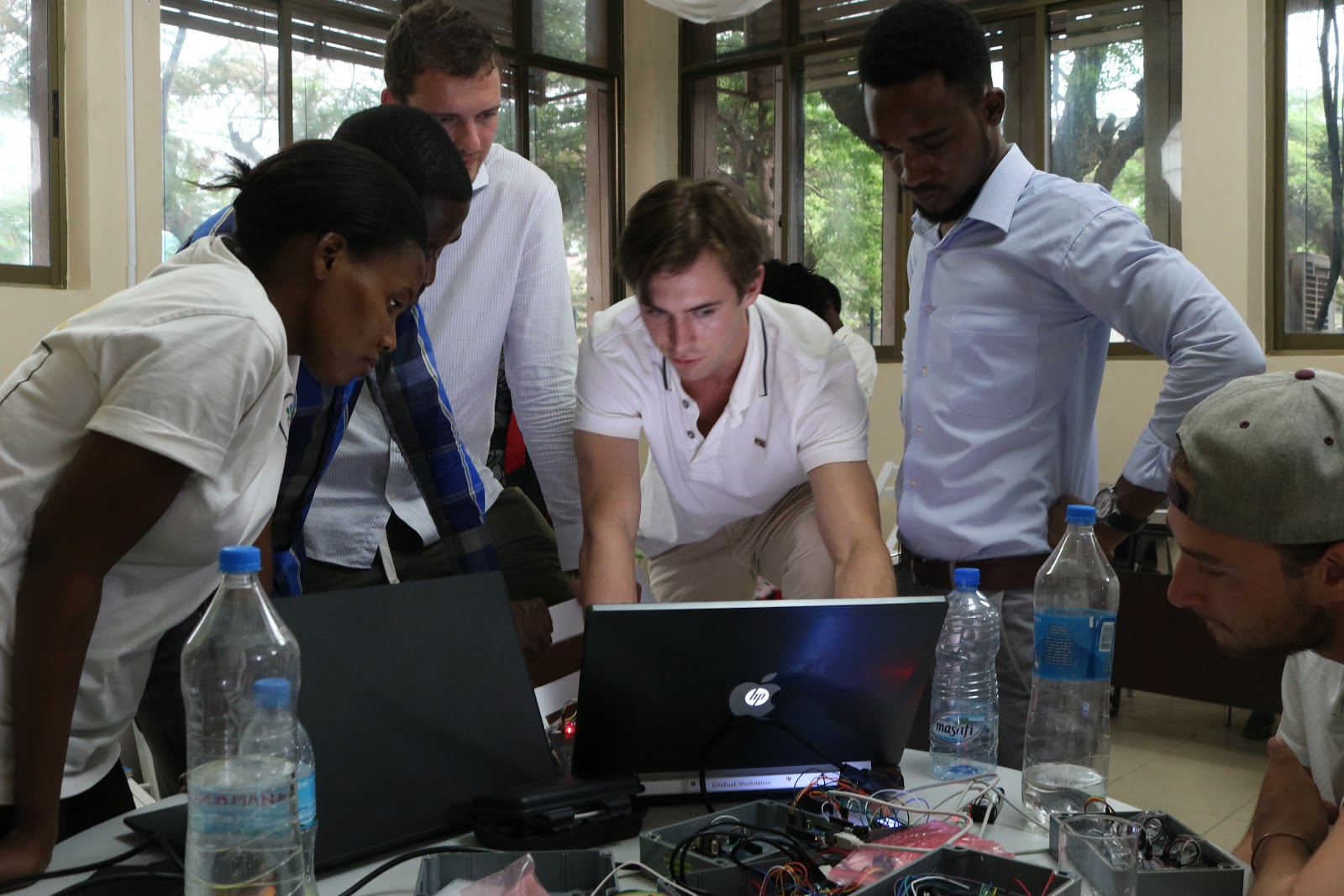
From experiments so far, many of the environmental noises such as sun, wind and rain have been inspected and can now be taken into account. The absolute error of each sensor is now known and can be calibrated to one point, which has to happen every time a measurement is taken. More time will be needed to fully understand the relative error, but there are now even more filters that have been discovered to minimize this error. In the upcoming weeks the Ramani Huria team, led by the students from Delft, will begin field experiments using an android app which is able to read the arduino and sensor. The app already consists of a IIR filter (infinite impulse response) which filters the measurements to make the data more workable. The next task will be a server that collects all the data of those phones to a platform so these can be used easily and can be looked into at any time of the measurement. Every day, the potential for cheap, locally made devices to determine accurate elevation levels increases. These measurements will contribute to more accurate flood models and mitigation plans.  

Categories
Uncategorized

Innovation Week 2018 – BUNI Hub COSTECH

On  May 24th 2018, the Ramani Huria team participated in the Humanitarian Development Innovation Fund’s (HDIF) Innovation Week exhibition at BUNI Hub Tanzania. The aim for this engagement was to showcase how innovation has helped Ramani Huria to conduct mapping activities in a more precise way,with minimal costs. The Ramani Huria philosophy, “local people, local tools, open knowledge”, encapsulates the power of innovation to equip local people with the information needed to transform their communities. 

The innovations of Ramani Huria that were showcased at the event included: community mapping methods and the discovery of Shina boundaries (ten cell administrative boundaries), local quad drone development, drainage mapping using ODK, and measuring elevation using arduinos and barometers.

Community Mapping

During its kick off in 2015, Ramani Huria worked with Ward and Subward leaders together with university students to collect data in local districts, but it was discovered that the community did not feel comfortable responding to third parties when it comes to sensitive information. For the second phase of Ramani Huria, RH 2.0, the team started to coordinnate with hyperlocal leaders called ‘Wajumbe’, who work at the most granular level of administration system that exists in Tanzania. These leaders are responsible for small portions of the Subward and the community knows them well. RH 2.0 trained Wajumbe and community members to collect information in their own neighbourhood by using their own smartphone devices.

This method helped to collect an enormous amount of data in a shorter period of time when compared to RH 1. We call this “innovation” because this is the first time that the country has been mapped in a such detail by local community members themselves using their own devices. During breakout sessions at the exhibition, participants were amazed to see a flood map that was produced using data collected by community members themselves – the data is normally very reliable as they understand the neighborhood better than anyone else.    

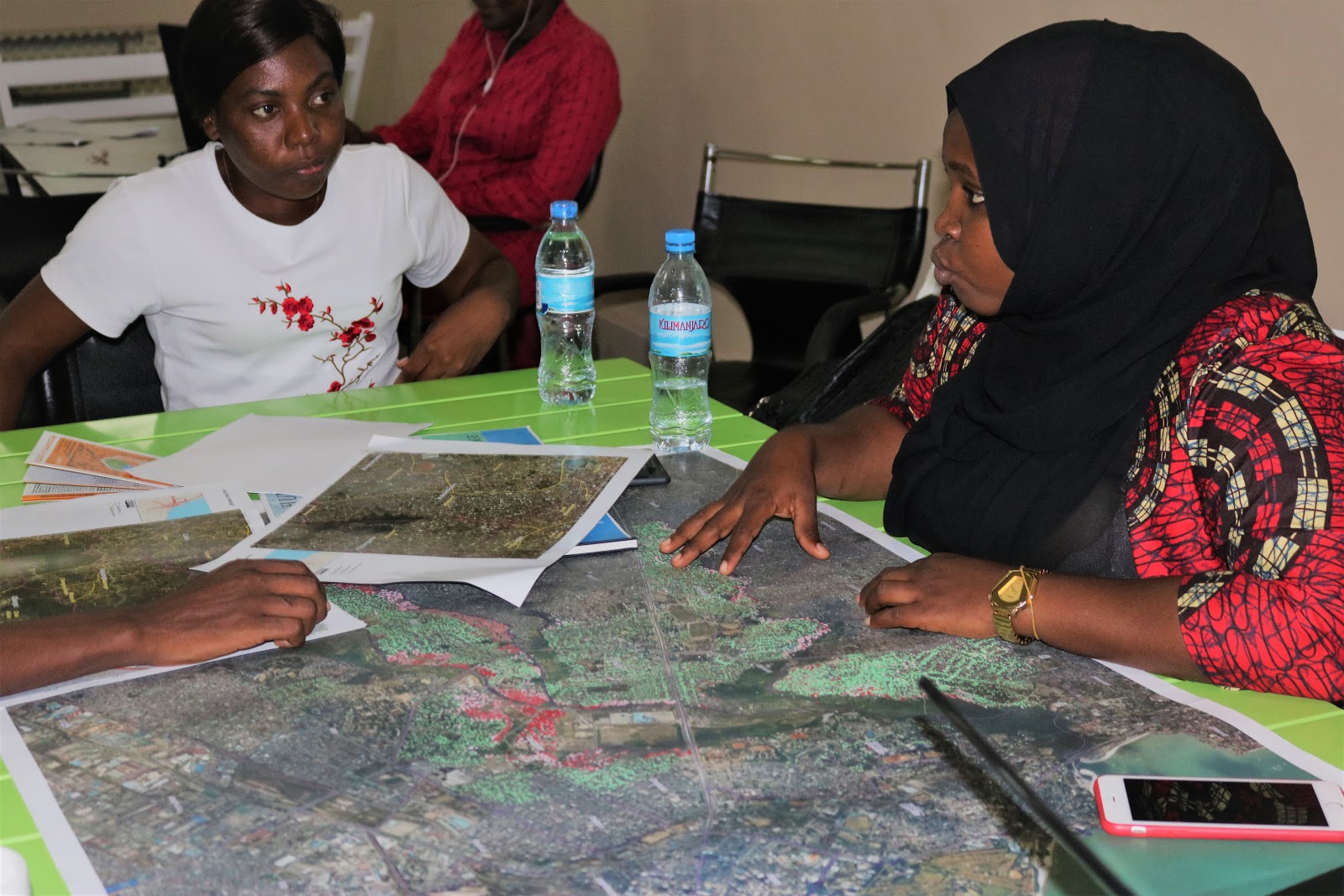
Photo; Community mapping supervisor, Asha Mustapher, leads a round table discussion showcasing flood maps that have been produced through citizen generated data

Using OpenDataKit to collect drainage data

ODK is a famous application forin data collection, especially in the humanitarian field, but it has never been used for drain mapping but Ramani Huria has made this possible. Originally, ODK was designed to collect data points and not line features. The Ramani Huria team, however, made some improvements on the program to enable it to collect line trace features.. Read the blog about building open tools to map drains here.

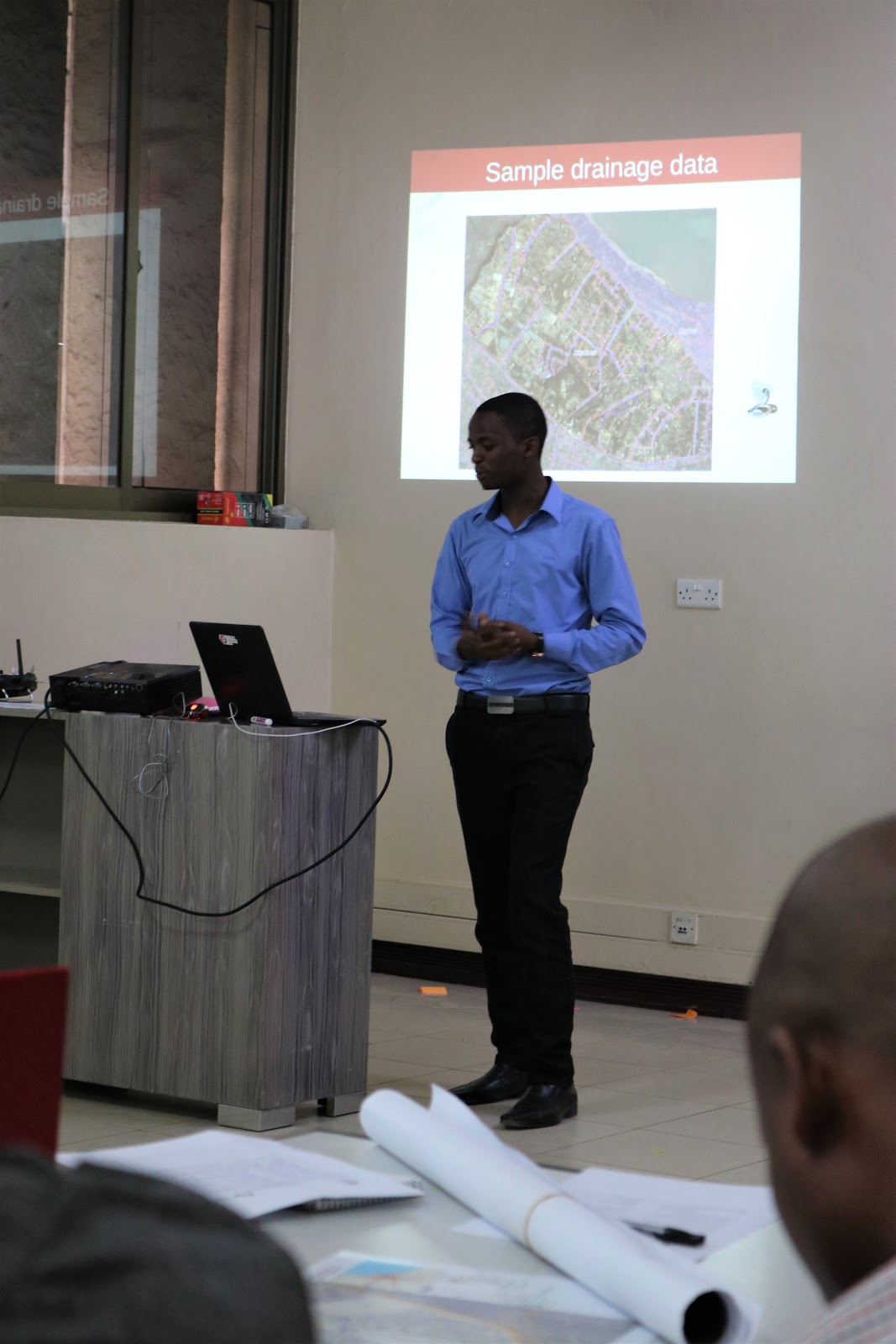
Photos; The Ramani Huria team demonstrating drainage data that has been collected using local people and local tools. These drainage maps will help inform flood prevention plans

Using Arduinos and Barometers to measure elevation

Measuring elevation is very difficult and thus requires an established base of devices to make sure that the accuracy is high. Students from the University of Technology of Delft in the Netherlands are working on building tools to measure elevation. So far, a lot of progress has been made towards understanding how to accurately measure elevation which will ultimately increase the precision of current flood models.

Many environmental noises, such as sun, wind, and rain, have been inspected and can now be taken into account. The absolute error of each sensor is now known and can be calibrated to one point, which has to happen every time a measurement is taken. At Innovation Week, the team explained that the relative error needs more time to be fully understood and taken care of, but they are now discovering more filters which work and can be used to minimize this error. In upcoming weeks, the Ramani Huria team, led by the students from Delft, will begin field experiments using an android app which is able to read the arduino and the sensor. The app already consists of a IIR filter (infinite impulse response) which filters the measurements to make the data more workable. The next task will be the adoption of a server that collects all the data of those phones to a platform so these can be used easily and can be looked into at any time of the measurement. Participants in the workshop were impressed by the potential for cheap, locally made devices to determine accurate elevation levels and contribute to more accurate flood models and subsequent mitigation measures.   

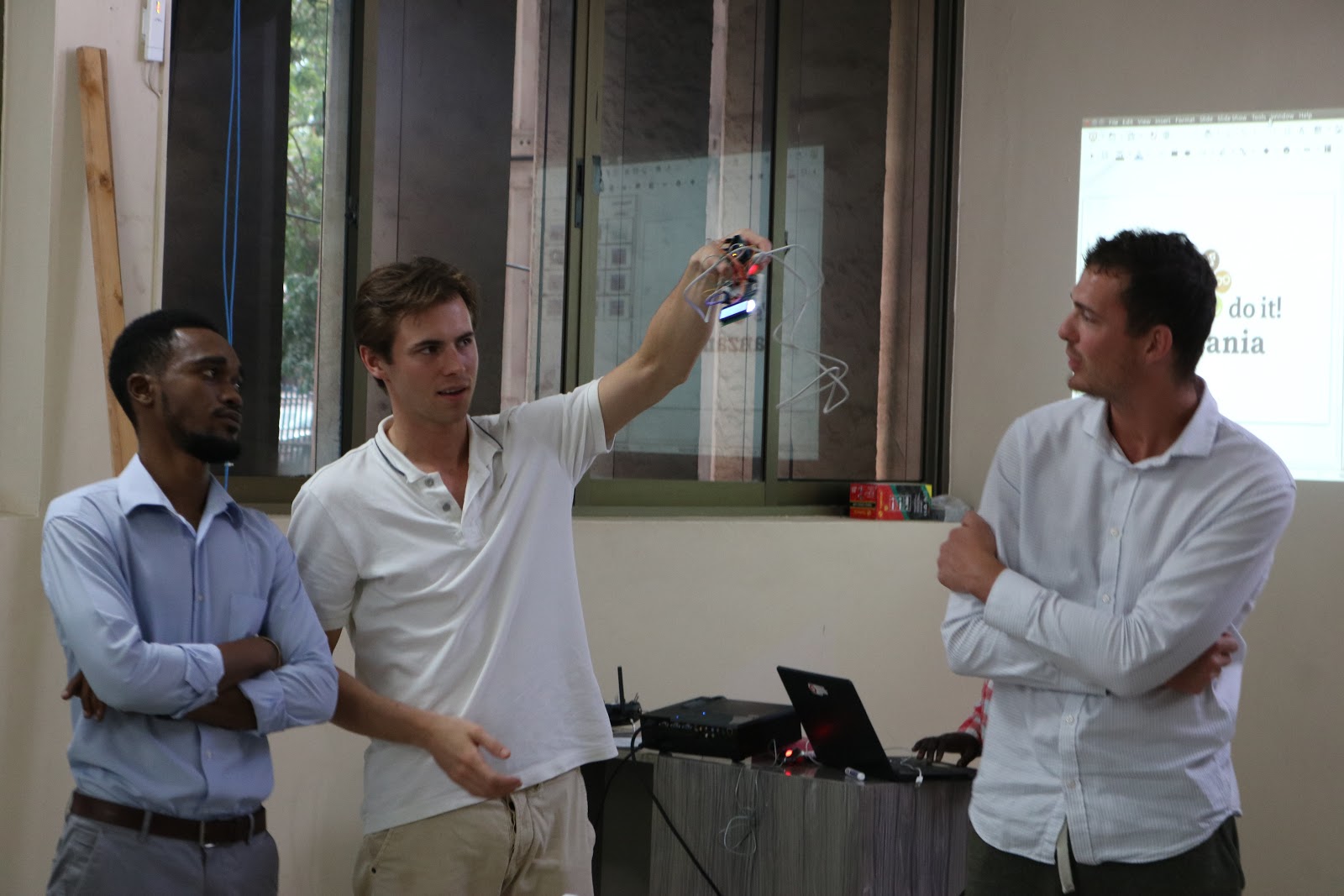
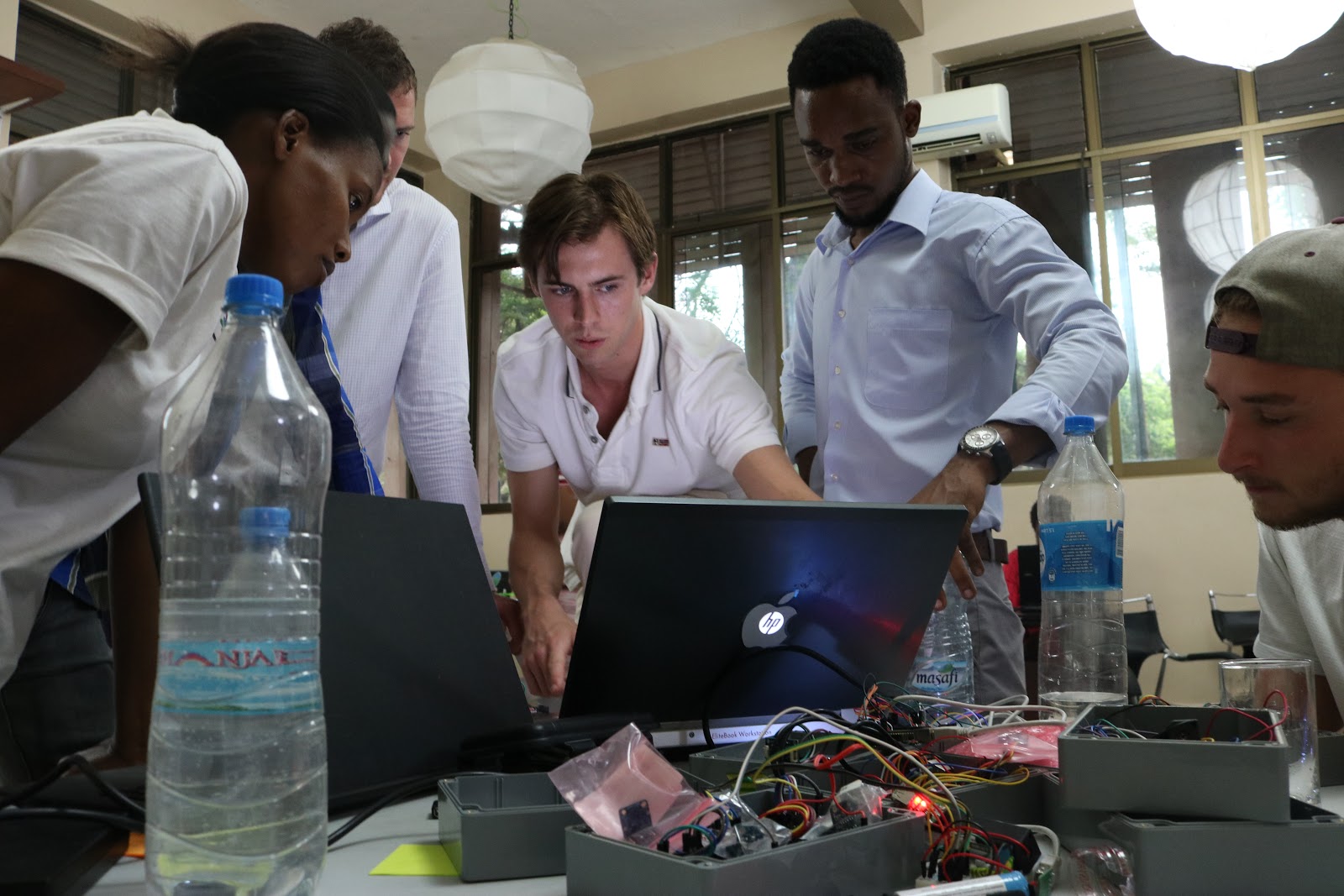
Photos; Students from Delft University in the Netherlands and the Ramani Huria team explain how arduinos and barometers can be used to measure air pressure to calculate elevation

Drone development

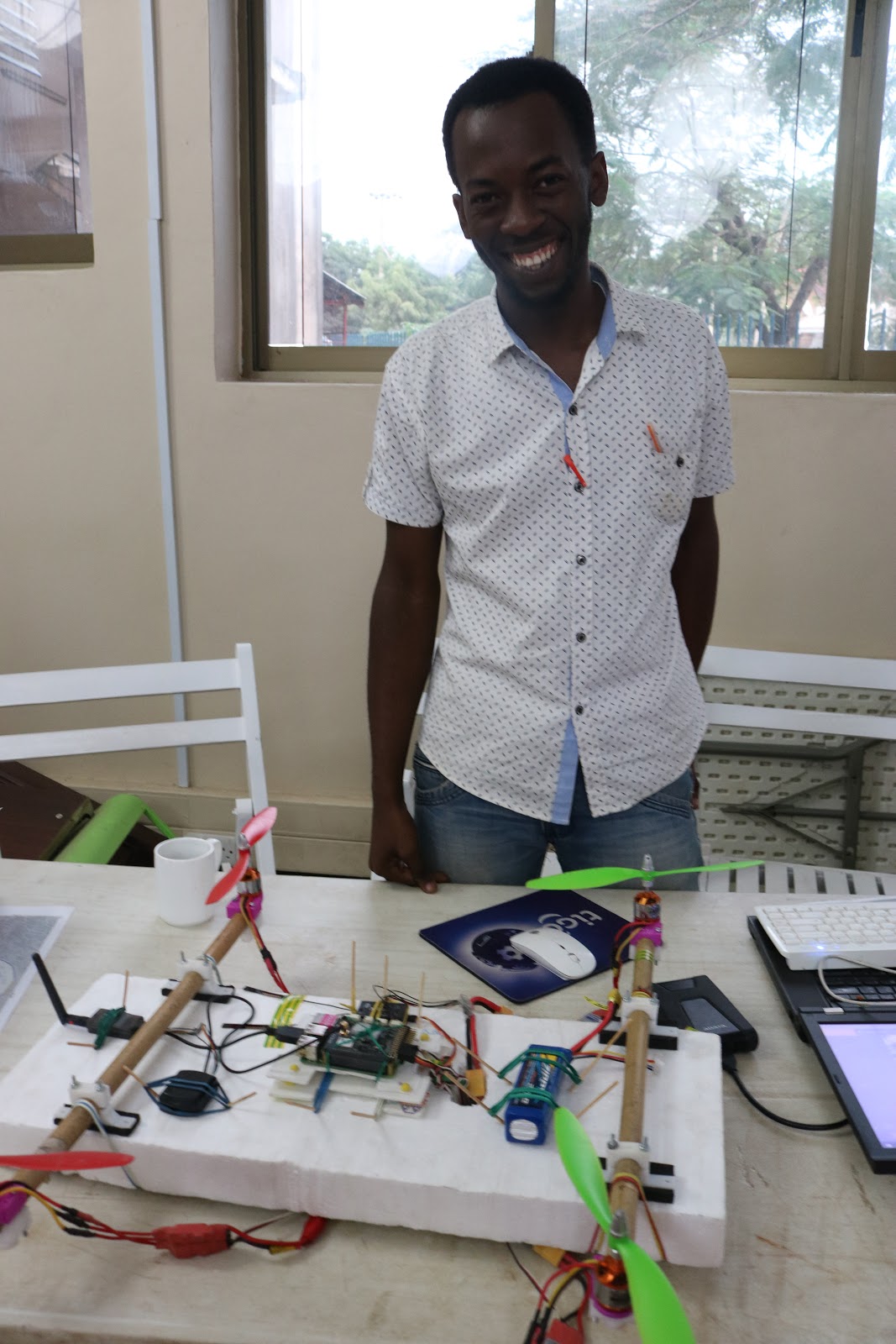
This year, the Ramani Huria team developed a quadcopter drone – constructed locally by our own Tanzanian staff with the vision of collecting updated, clear imagery taken at low altitudes with higher resolution. This imagery will be useful in creating updated maps that can be used to plan for city flood resilience – an innovative approach tohelping community development.

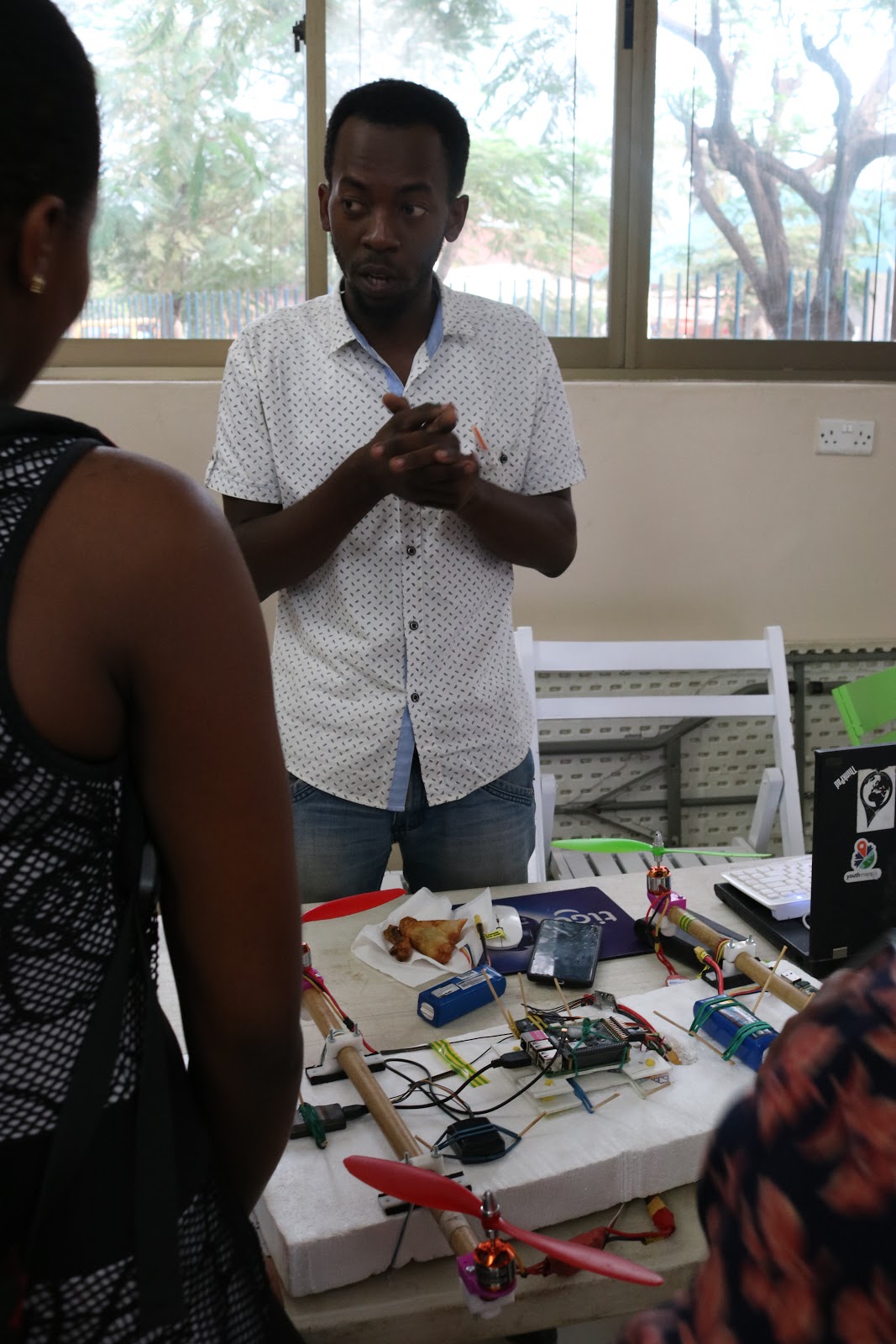
Photos; Workshop discussions from HOT Tanzania’s Innovation Officer, Bornlove O. Ntikha, explaining the drone construction model and flood use cases 

Changing Perceptions through Innovation

Innovative tools used by local people using local knowledge have the power to increase civic engagement and empower communities to create impactful change within their own society. This has been proven through Ramani Huria, as the team has managed to collect precise flood data with the help of community members. We urge development partners to see the opportunity that arises from the community-driven data collection methods that we are using, in order to minimise the costs of running projects and increase impact by collecting first hand information from community members themselves.

Categories
Uncategorized

Community meetings- For Flood resilience plan

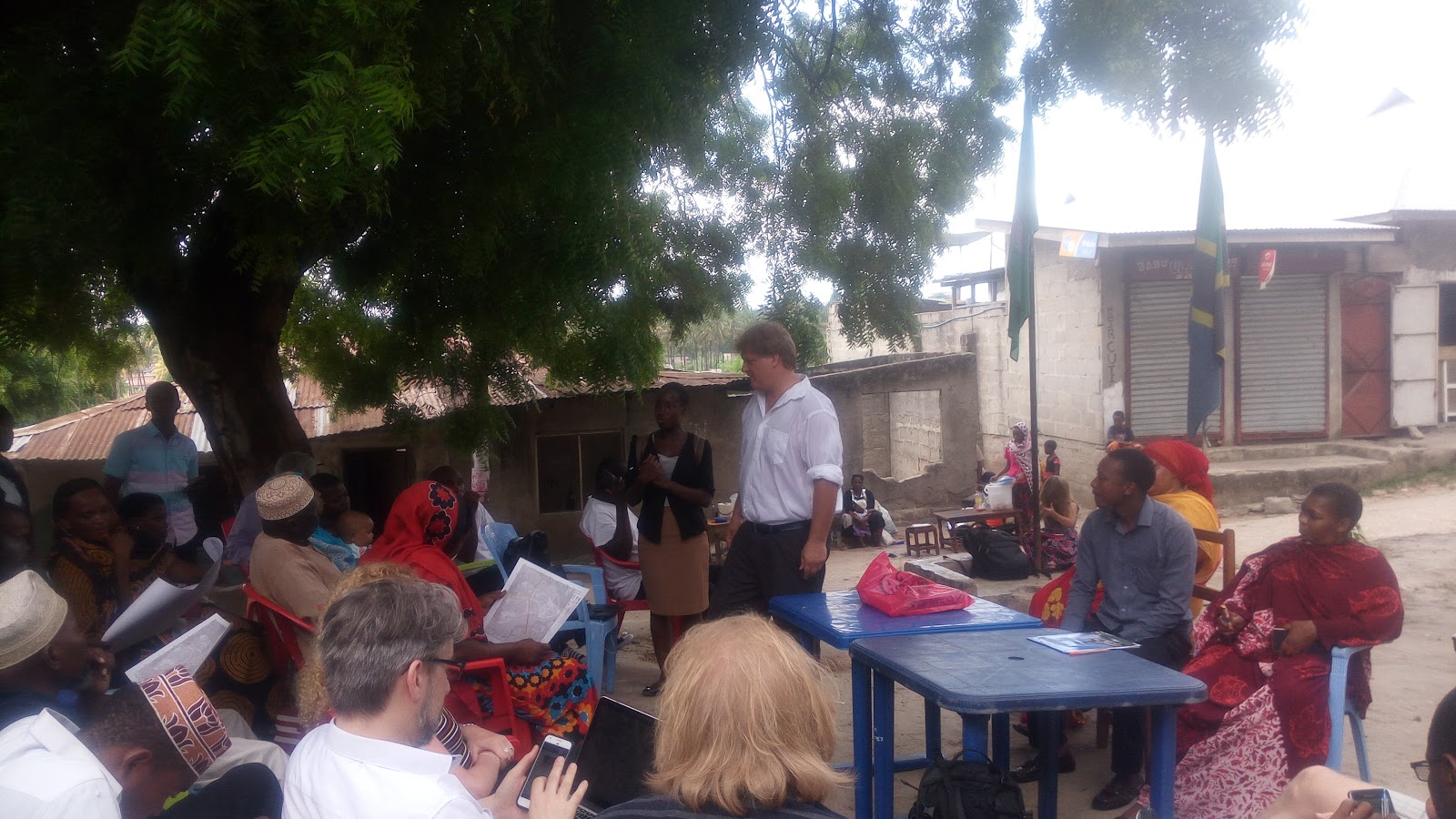
Photo; Community meeting.

On the 26th March 2018 the HOT Tanzania team conducted a pilot community meeting in Mbuyuni subward in Kigogo ward. The main objective of the meeting was to facilitate a discussion with different actors such as Mtaa Executive Officers  (MEO), Chairmen of the Subward, Councilors, Wajumbe leaders, Non Governmental Organizations and Community Based Organizations such as Tegemeo. Tegemeo provide education to the community on topics such as environmental education and how to support orphans – it operates nationwide.

During this meeting, community members pinpointed assets that they considered to be the most valuable within the Subwards and any possible threats to these assets perceived by the community. This information  allows Ramani Huria to produce a flood resilience plan. The maps will be the outputs produced after the information has been collected and organised using open source software.  

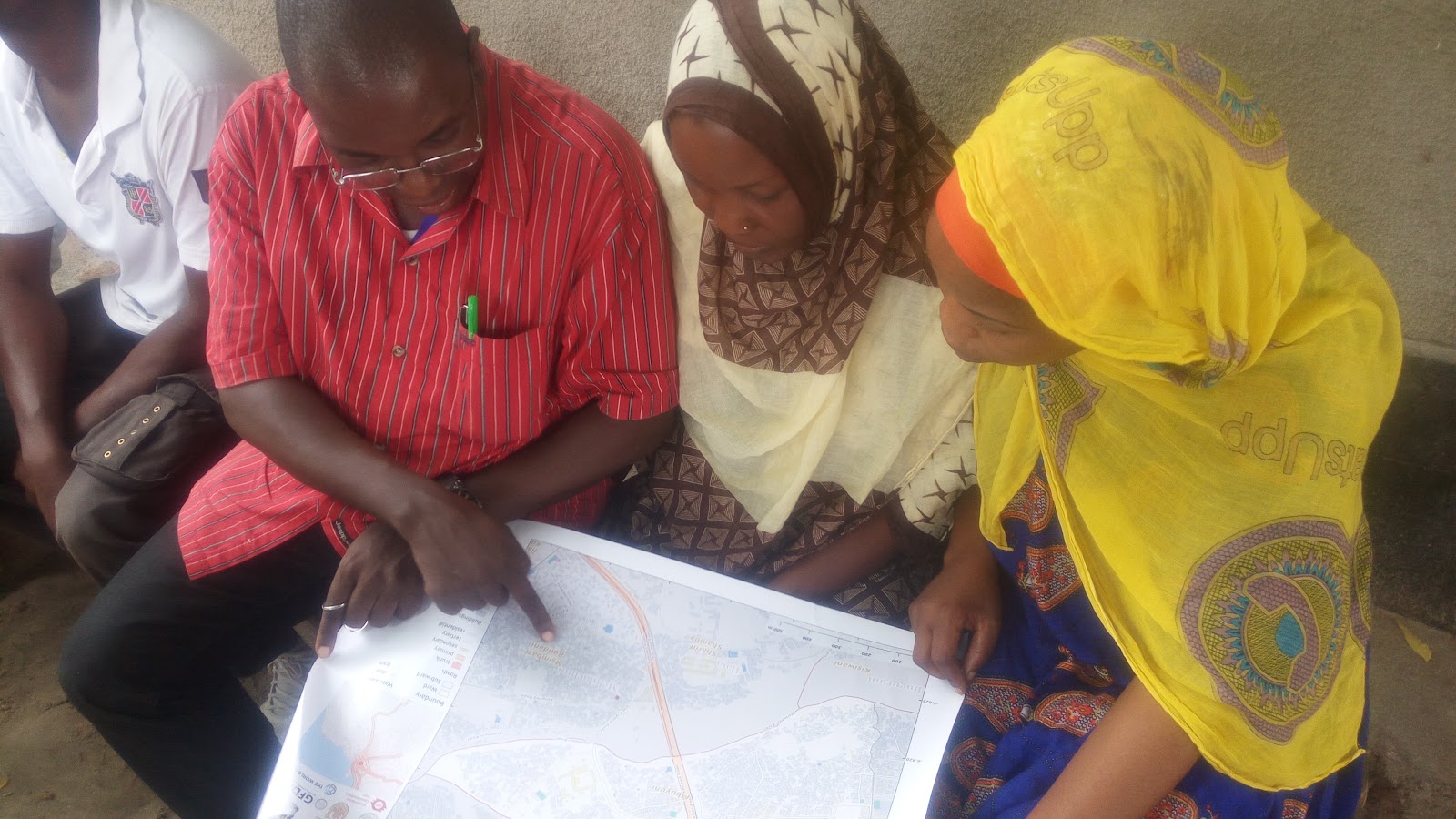
Photo- Ward Leaders reading maps to identify their residences.

Community meetings were conducted with different key actors in the subward. Attendees included; Mtaa Executive Officers (MEO), Subward Chairmen, Councilors Wajumbe, Ten cells Shina Leaders, NGO and CBO partners (such as Tegemeo Wajumbe), government officials, private sector organisations, and religious leaders. 

“I am happy to be part of this, Knowing what is being done in my ward, participating in identifying safe and unsafe areas on a map can be a good start toward better planning” Mazoea Ling’omba- Mjumbe, Kigogo Kat subward.

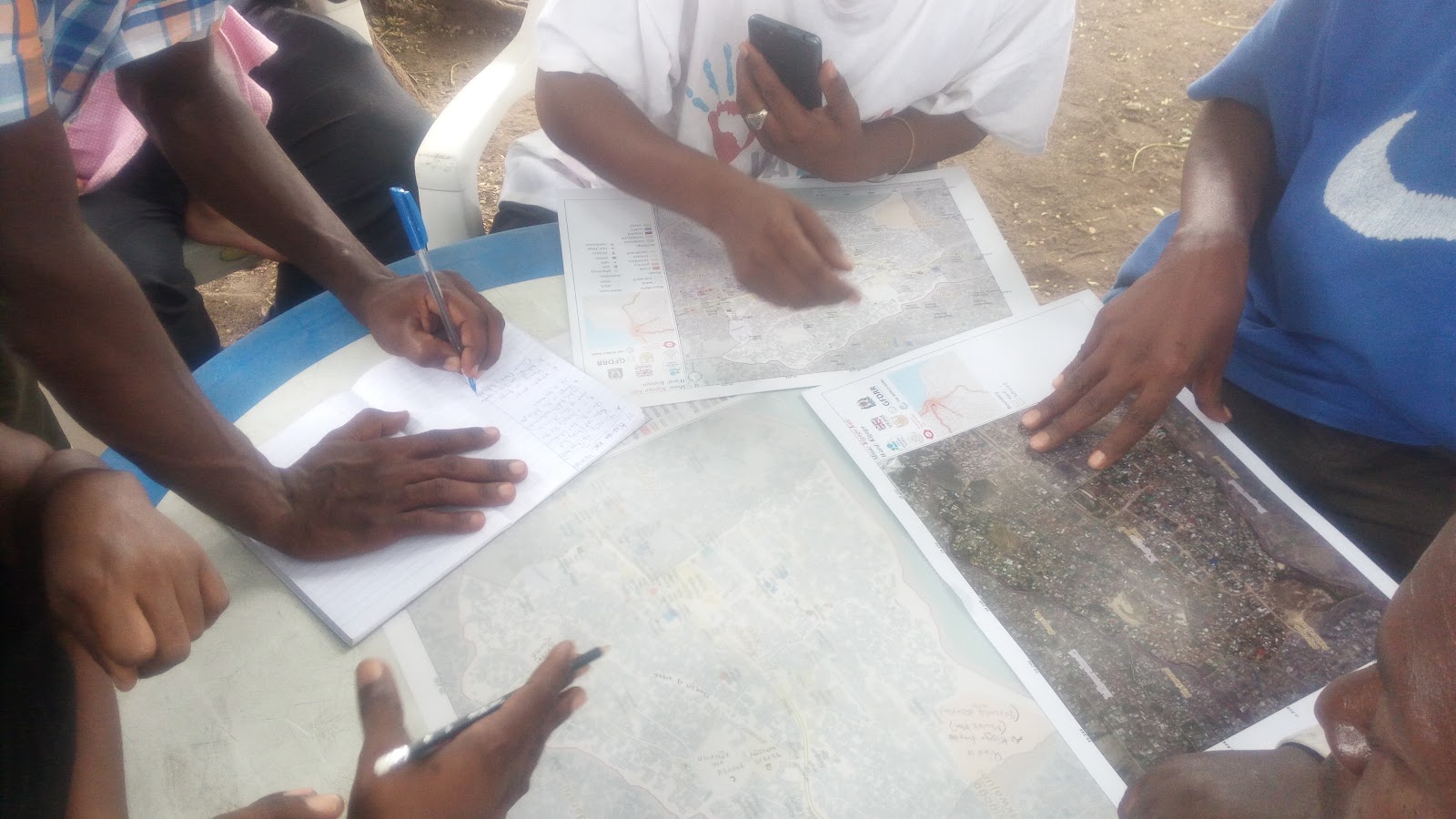
The meeting was participated by 43 members from the two subwards, with participatory community meetings conducted in groups of 5 to 6 members. The exercise began by training participants how to read the map by identifying main features in the Subward and locating their area of residence. By the end of the group discussions participants were able to locate their houses and update street names on the map where information was missing or incorrect.

Photo; Maps are being updated by adding the missing information, risk areas are being identified  with the important asses in the ward. 

“I am proud to be part of this process – I have been trained  on how to read maps, and putting important things on a map to improve information for flood reduction” Miraji Simba- Red Cross Coordinator.

The most important lesson learnt from the workshop meeting is that it is the community members who are the key people needed to create a resilience plan. They are the ones who can identify historical flood trends and the location of key risk areas. (ie an engineer may be able to pinpoint flood risk areas based on calculations, but cannot provide the scope, history and impact of the flooding)- The information provided by community members allows a more accurate impression of the trend of flooding to be created with better understanding of how flood events have evolved over time.

Community members and Ward leaders were more reassured and excited about the project when they understood that the flood resilience plan was not intended to relocate people from their residence but rather to build a better plan on how to reduce flooding and suffering related to flooding.

“Initially my neighbour and I were a little worried that our houses may be demolished, but now we are at peace because the project was well explained to us. I will go and explain to ‘my people’ in the Shina to reassure them that the project is based on planning for resilience” Mjumbe- (Anonymous).

In these two Subwards the main flood problems identified by community members were similar because the overall Ward is located between two major rivers, Msimbazi River and Kibangu River, that are ‘famous’ for causing flooding. It is clear that if the plans for flood resilience focus on accommodating people’s suggestions on the major community assets at risk and historical flood prone areas – improved mitigation plans can be produced which will reduce the effects of flooding.

Categories
Uncategorized

Flood Mapping

Since 2015, Ramani Huria has been tackling the issue of flooding in Dar es Salaam to reduce flooding and encourage sustainable water resource management. Now in the second phase of the project, Ramani Huria 2.0 is focusing on mapping the most flood prone Wards of Dar Es Salaam, such as Kigogo and Hananasif Wards, to produce flood extent information which will later be used to inform decision making and flood mitigation plans. The Ramani Huria team begin the community mapping process by introducing themselves to the ward officers, explaining the project and providing an introductory letter addressed Subward officials. Next, the team are introduced to the Wajumbe local leaders who operate at the most granular level of administration system that exists in Dar es Salaam.

This week we visited the field team this week to see the amazing work that is being done by the team.We were excited to meet one of the community members who has been involved in mapping since 2015 when Ramani Huria 1.0 was implemented.

“I participated in Ramani Huria 1.0 when we were using field papers and GPS devices to move around to collect information. It was time consuming and you may have lost data during the process, but now that we’re using smartphones to collect data it’s quicker and you’re not likely to lose data in the process” – Hafidhi Hamza, Community Member


LEFT PHOTO; Interview with Community Mapper from Ramani Huria 1.0

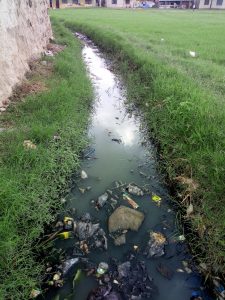
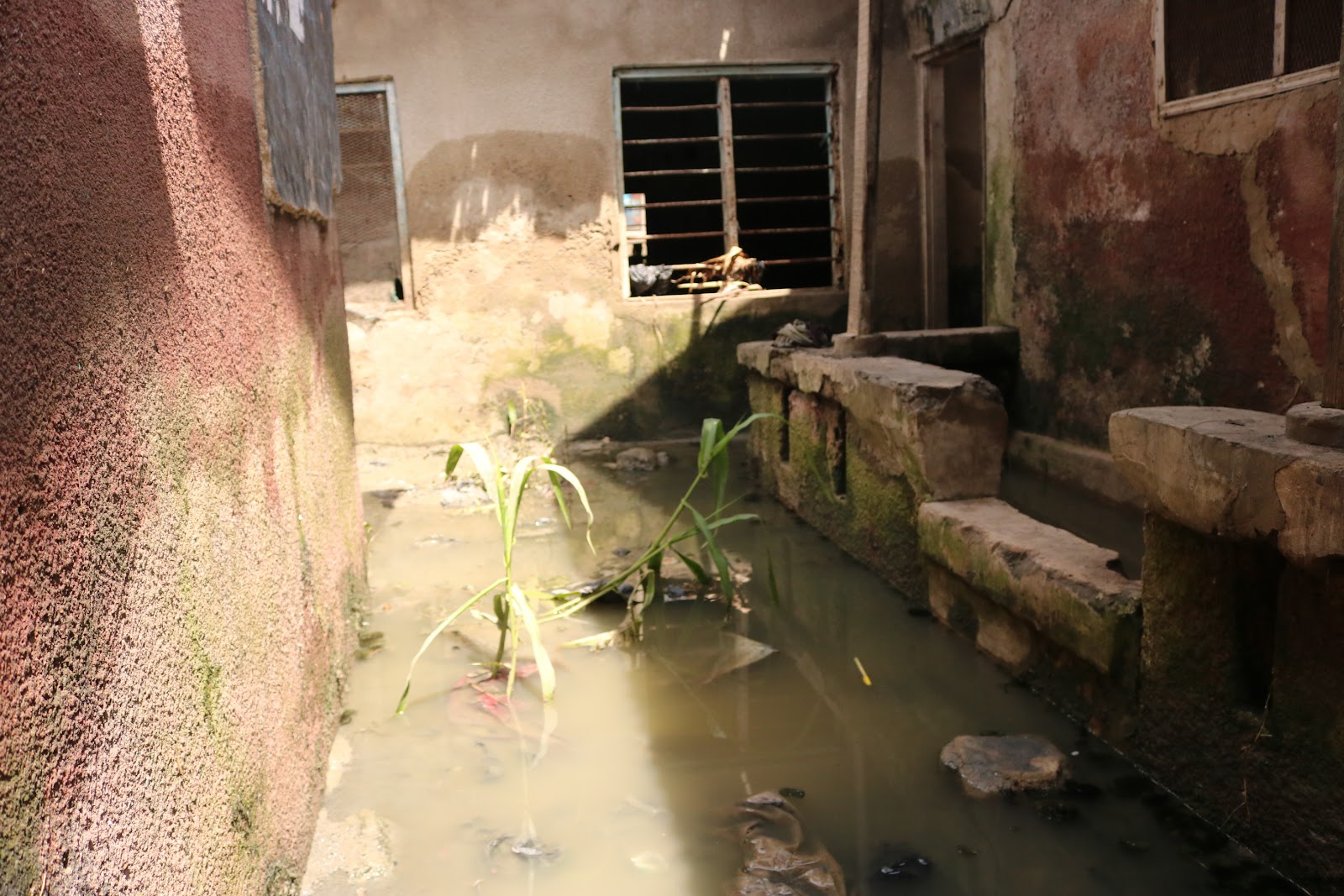
RIGHT PHOTO; Drainage blockage caused by littering behind a resident’s house in Kigogo Ward

The data collected from Ramani Huria is helping inform decision makers at all levels of society on flood mitigation measures to tackle current pain points. Already, based on the printed maps produced from Ramani Huria 1.0, local people are establishing waste management initiatives to clean blocked drains and educate residents on the detrimental impact of littering. As population increases and the level of waste produced multiplies, maps such as those produced by the Ramani Huria team are imperative to raising awareness of flood causes, mitigation measures and response plans. The Ramani Huria team initially started to use OpenMapKit for data collection and mapped Hananasif ward and part of Kigogo ward. The team then realised that it is more difficult to analyse data collected in polygon format, especially when producing heat maps you need the data to be collected as points, so the team immediately switched to using Open Data Kit (ODK). ODK allows them to collect data points and fill out the survey to establish the trend of flooding in this particular ward.

The data collection process was conducted in the following manner –

Ten cell leaders (Wajumbe) would select a community member who owned a smartphone so that:

  1. The phone could be installed with Open Data Kit (ODK) Collect.
  2. They could make sure that the survey form is downloaded from the server; www.turkus.net (the survey is written in Swahili to avoid language barriers and is user friendly).
  3. The GPS accuracy of the device could be checked (usually less than 4 meters).
  4. A community member could be trained by the Ramani Huria team on how to collect data using ODK
  5. ODK questions will be elaborated to community members to make sure they collect the desired information.

After making sure that community members are equipped with the data collection skills needed, field work commences. A community member is provided with scratch cards (to buy internet packages) and a power bank.


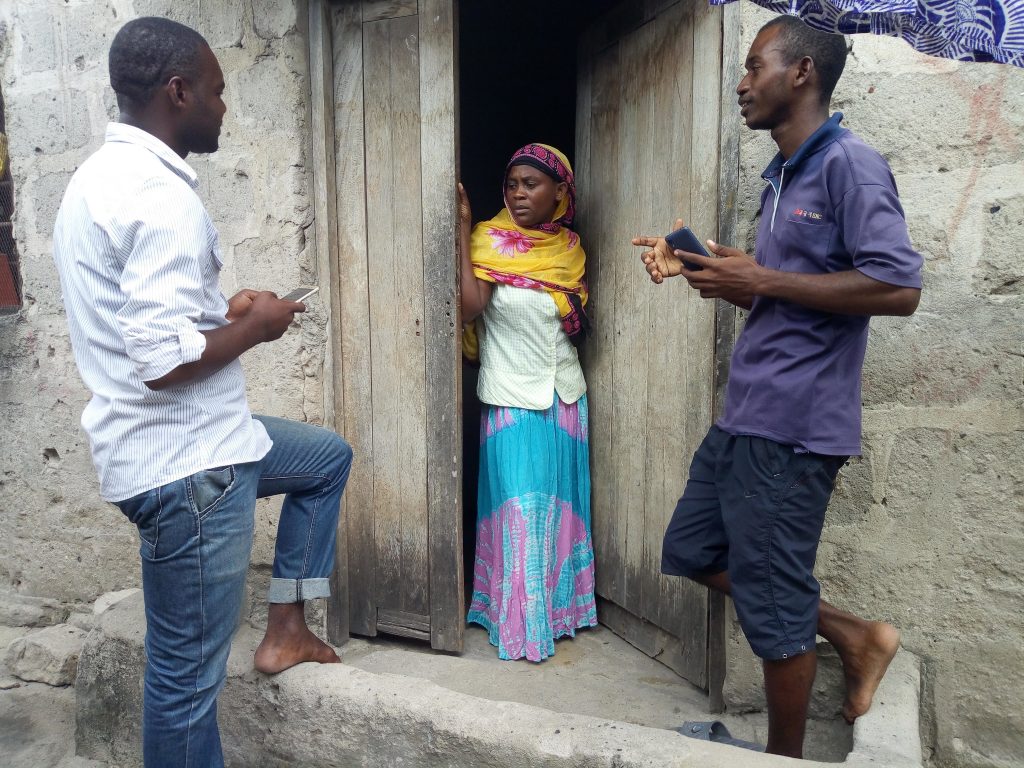
PHOTOS; Community member and Mjumbe conduct ODK flood extent surveys with local residents

[symple_testimonial by=”” fade_in=”false”] “Ramani Huria 2.0 is far better than RH1 because in this phase we conduct community surveys and a community member is asked questions such as if the residents of a particular house had experienced flooding or not. This can provide reliable and documented information to the government” – Hafidhi Hamza, Community Member[/symple_testimonial]

The field team then demonstrated how they analyse field data to make sure that everything has been covered before moving on to the next ward. Data is visualized according to Mjumbe leaders area of jurisdiction and within each cluster you can determine if all of the survey questions have been covered.

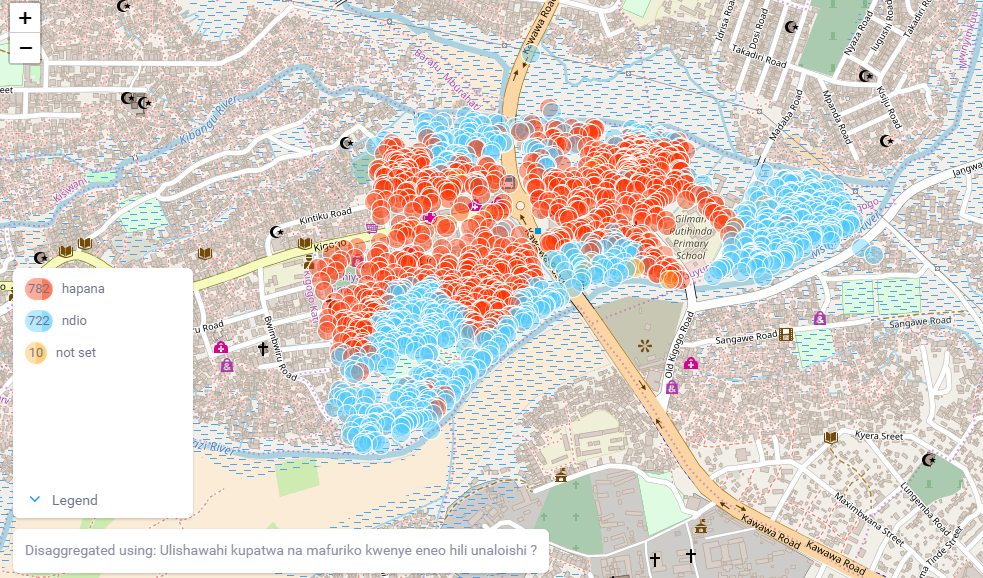
SCREENSHOT; Kigogo Ward Mjumbe data points visualized on a map – each colour cluster represents a Mjumbe Shina boundary

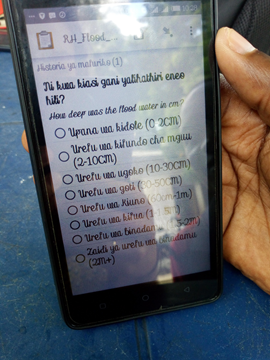
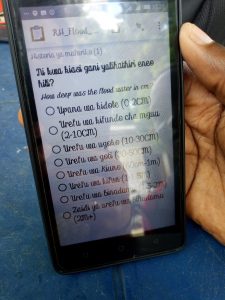
The team are also able to visualize clearly respondents answers to questions about the history of flooding in their area. Respondents are asked questions such as, “have you ever experienced flooding?”, “how deep was the flood water?”, “have you moved settlement because of flooding?”, “what do you think caused the flooding?”.

The team create a new dataset for each year flooding is reported so that flood impact can easily be visualized by year.

PHOTO; ODK survey form questioning the depth of flooding

Maps like the one above demonstrate clearly areas prone for flooding. Already, the impact of Ramani Huria 1.0 can be seen. Community members explained how the RH 1.0 maps have been used to inform community cleanup initiatives to remove waste from blocked drains. The addition of Mjumbe boundaries and more accurate, detailed flood data from ODK from Ramani Huria 2.0 will continue to inform and advise community members and government officials on focus areas for flood mitigation planning.