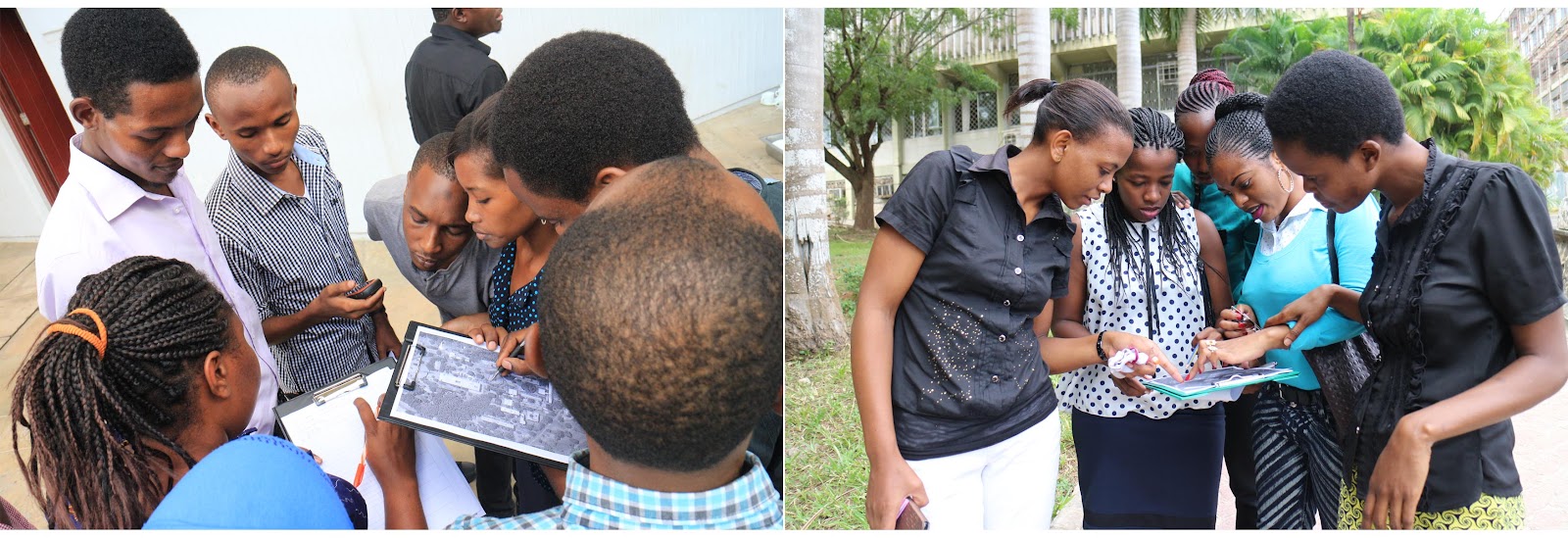
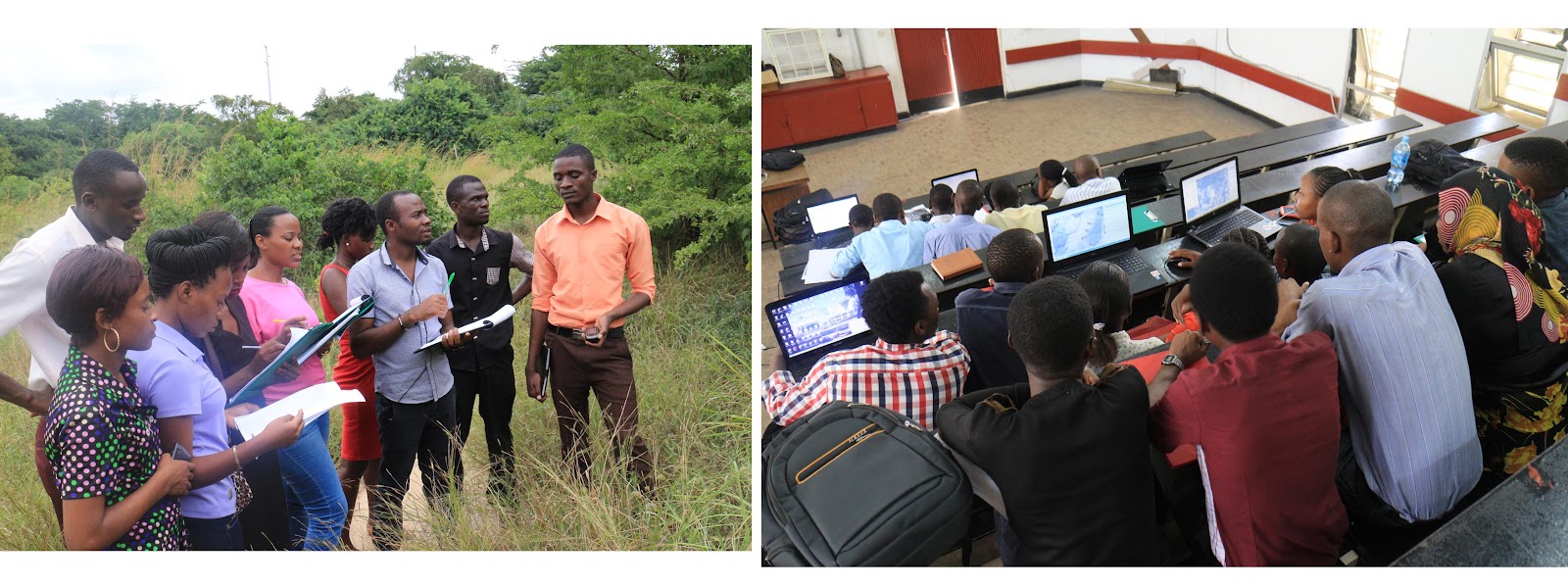
Training and working with university students has been a core part of the Ramani Huria project since it started in 2015. Since then, we have trained over 1,000 university students in industrial placements, equipping them with the valuable open geospatial skills they can use in their careers. While training students, we have also been able to collect a variety of datasets to support urban resilience programs, particularly flood preparedness in Dar es Salaam.
Over these past five years, we have improved our skills-sharing with students. This not only enables reliable and cost-effective data acquisition thanks to their work, but it also exposes them to new ways of doing things without investing a lot of money on expensive equipment. For example, we familiarize students with accessible open tools and software that they can use beyond their industrial placement.
Deploying students in the field
Working with the Tanzania Resilience Academy to train 200 university students from three universities between September and November 2020, we were able to give them field mapping experience while collecting flood-extent data in flood-prone areas in Dar es Salaam.
In the past two months, students were able to work with community members from 20 wards in Dar es Salaam to collect data on the extent and depth of water when it floods. The data collected will build upon the already existing data from our river cross-section survey to further develop the city flood model to help predict and prepare for future flooding.
One of our goals is exposing students to the latest open-source geospatial technologies and innovations. We gave a small team a low-cost dual-frequency (u-blox) receiver that they used to collect ground control points using the precise point positioning (PPP) technique, providing data with a high level of position accuracy that could be used for rectifying drone imagery. This work created the data we required for these catchment areas while also equipping students with skills in using low-cost equipment that is readily available.
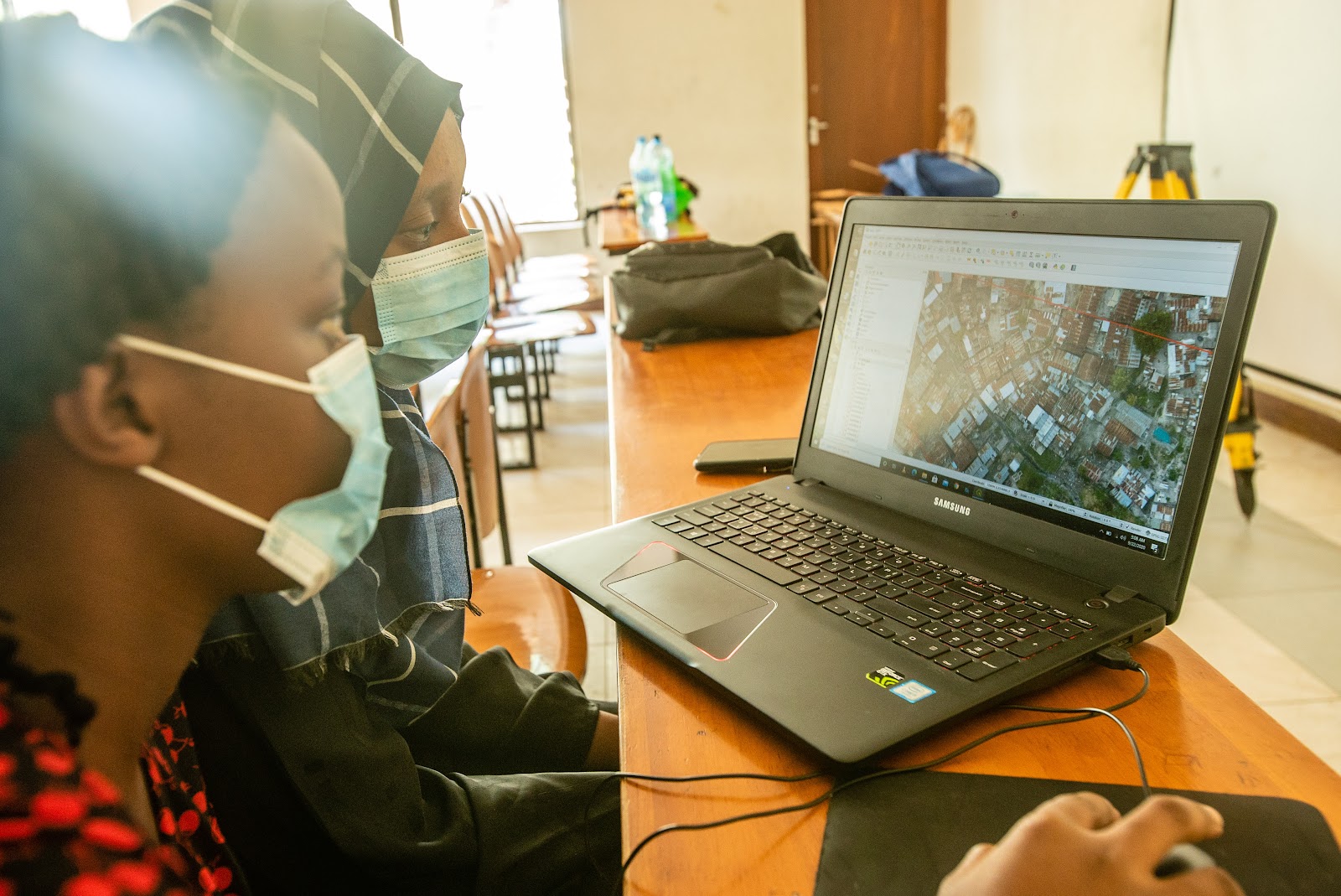
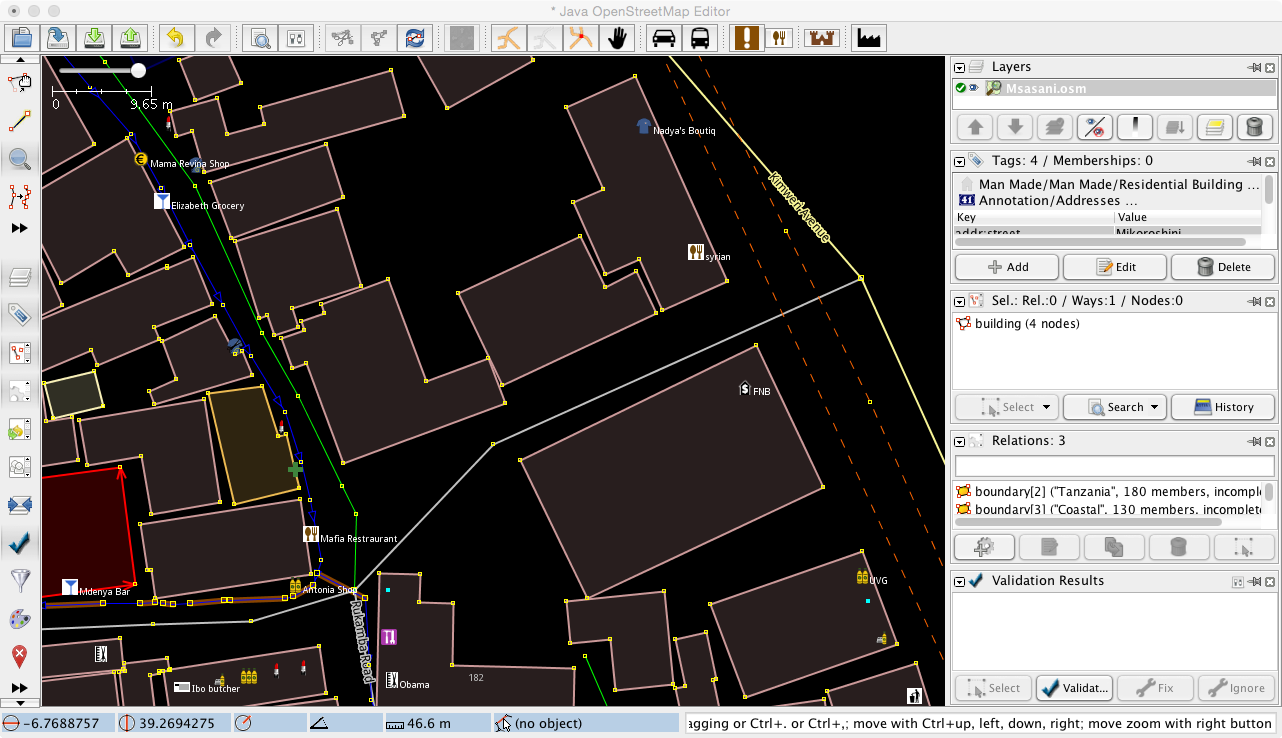
As it is a fundamental skill for any newcomers to the geospatial world, we also trained students in digitizing building footprints using JOSM software. The students then updated the already digitized buildings in Dar es Salaam using up-to-date high-resolution, 2020 Maxar imagery with 50 cm accuracy.
“Many companies and organizations need spatial skills that meet their business or industrial needs. The skills I gained as a student may pave the way to different opportunities that will require digital geospatial skills” – Batuly Lukonge, Student, UDSM.
Digitization of Buildings, Photo: Chris Morgan, World Bank
Call for Action
We advise organizations and startups that are eager to equip youth with relevant industrial and technical skills to work directly with students and engage them in real-world projects. This supports them academically and creates a cohort of youth that are problem solvers and ready to take part in this technologically advancing world. It also makes them marketable in the 21st Century, supporting them in competing for opportunities around the world.
Since 2019, the Resilience Academy has been supporting students’ industrial training—an internship program that normally goes up to eight weeks. The aim is to support students participating in practical activities and increase their skills especially digital skills. Resilience Academy is a partnership between four academic institutions in Tanzania: Ardhi University (ARU), University of Dar es Salaam (UDSM), Sokoine University of Agriculture (SUA), and State University of Zanzibar (SUZA) with the University of Turku (UTU) from Finland.
The skills that students will acquire include mobile data collection using OpenData Kit (ODK)—an open-source software for collecting, managing, and using data in resource-constrained environments—, field and community mapping, map production using QGIS, data quality assurance, all while contributing to OpenStreetMap.
The series of industrial training over the years has been successful in creating an apprenticeship program for more than 800 students (as of 2019) before and after college graduation. Over the past years, we have had students who benefited from the Ramani Huria project, who are now flying across the world to teach and present about our work and how the use of open-source software has served as a tool to support them to develop their skills.
Training Session
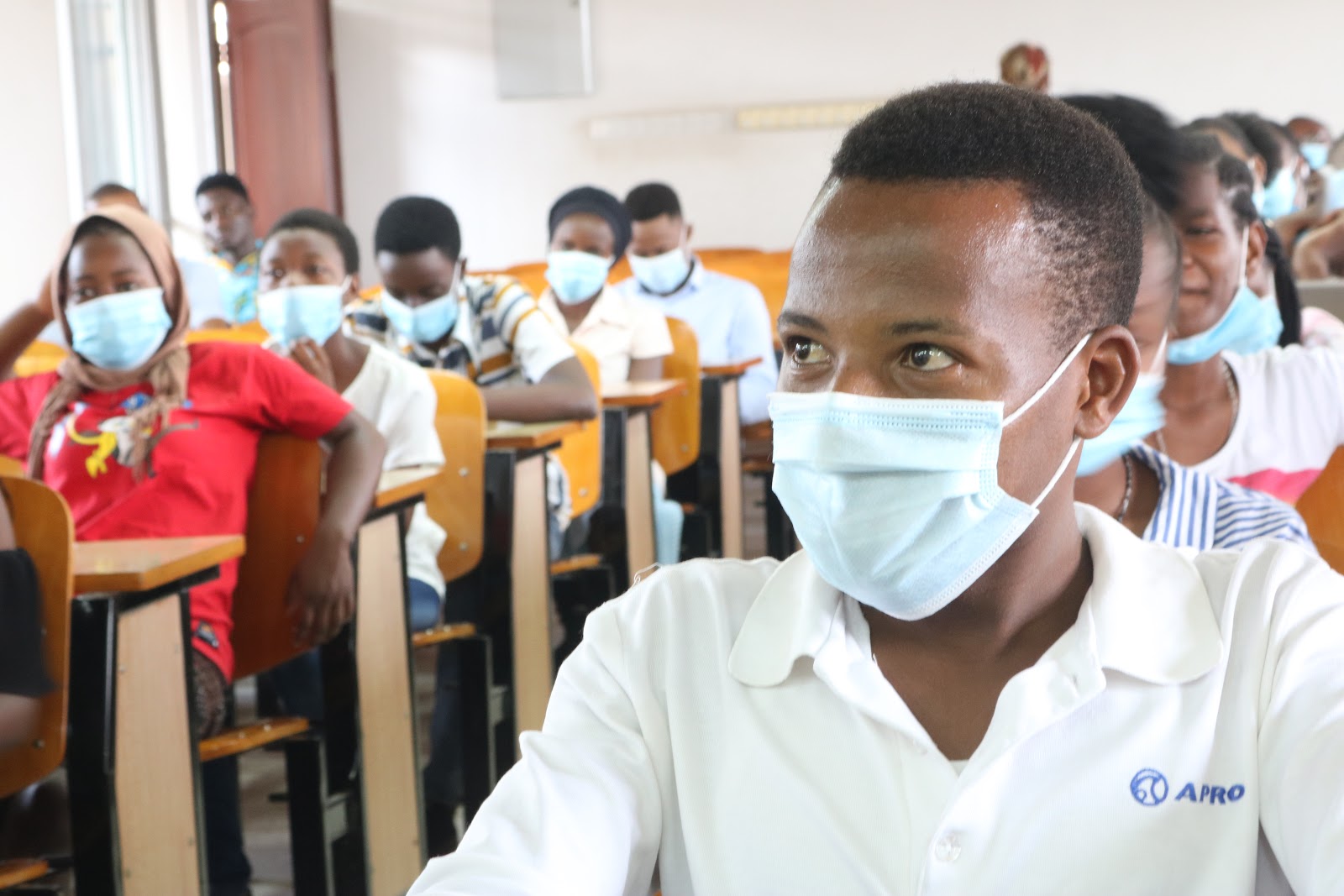
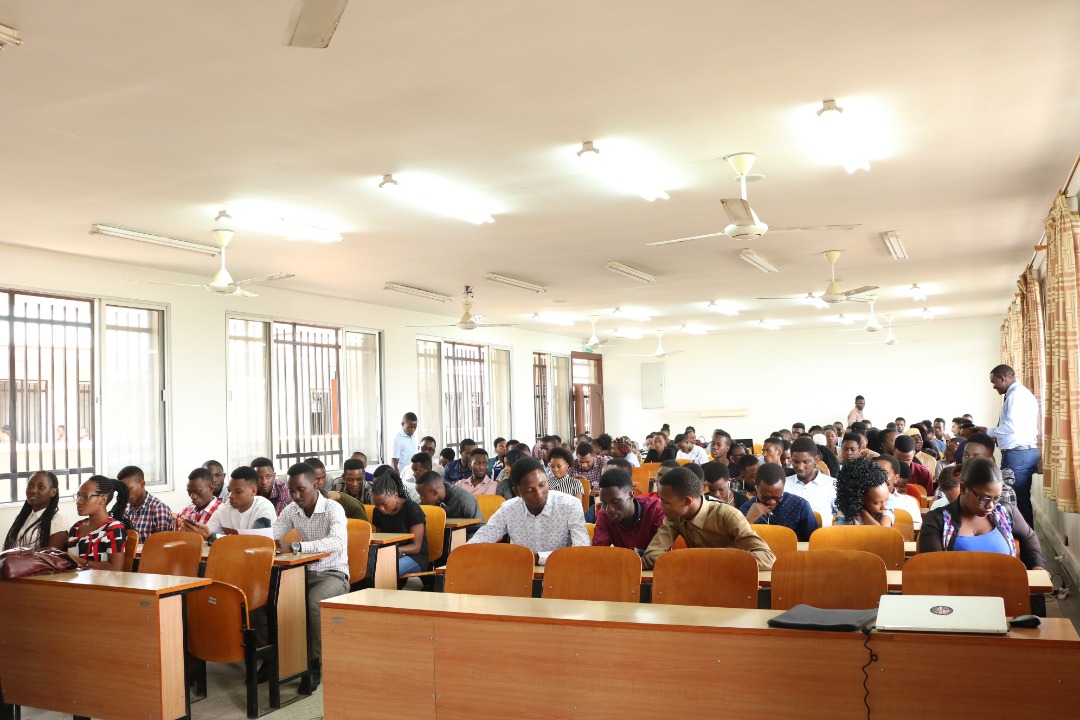
The first week of the training basically focused on bringing students on board on what to expect from the 6 weeks placement and what is expected from them . Introducing OpenStreetMap, QGIS, ODK for data collection, and the importance and value of community engagement, in general, were the main topics featured in the first week. The students got to learn:
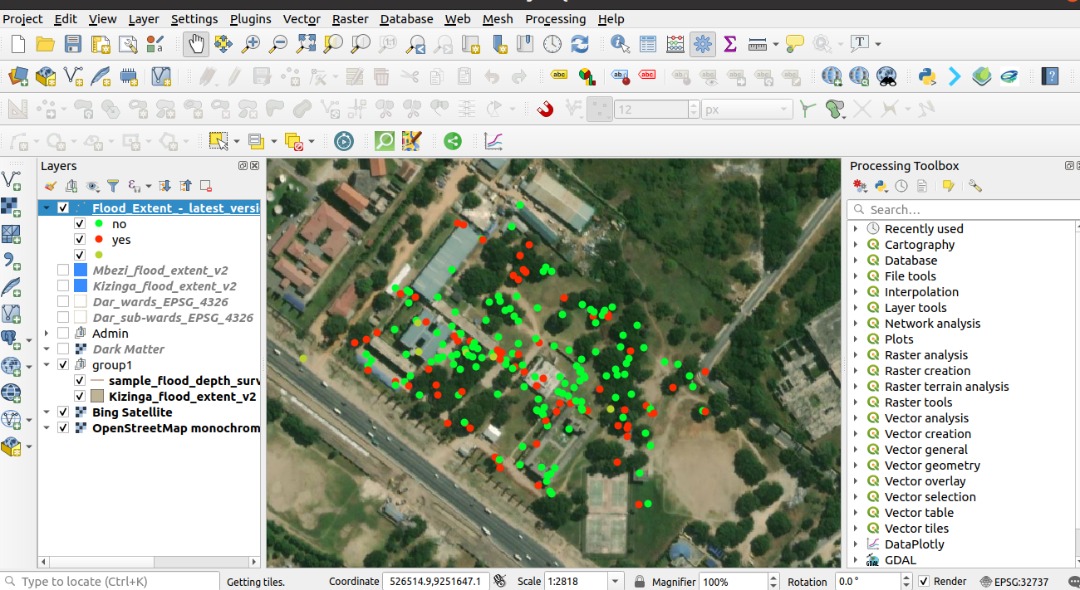
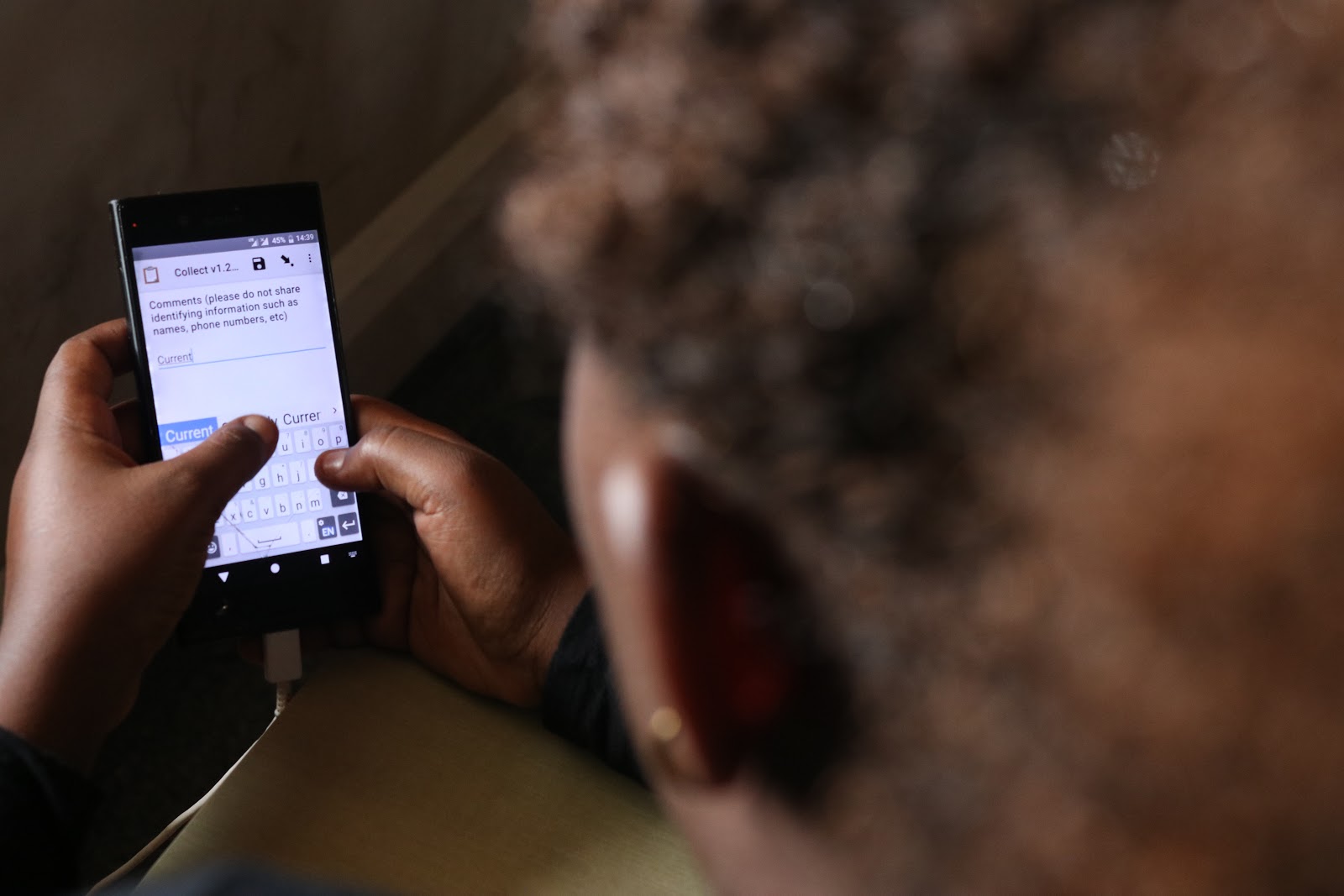
Basics of ODK and how the application works in the field. They had an opportunity to collect some points around the university campus, just to make sure they got a hang of it. We then visualized the points collected on QGIS for them to see how the process works and how the data they will be collecting in the field will be visualized.
Sample data points collected by students visualized in QGIS
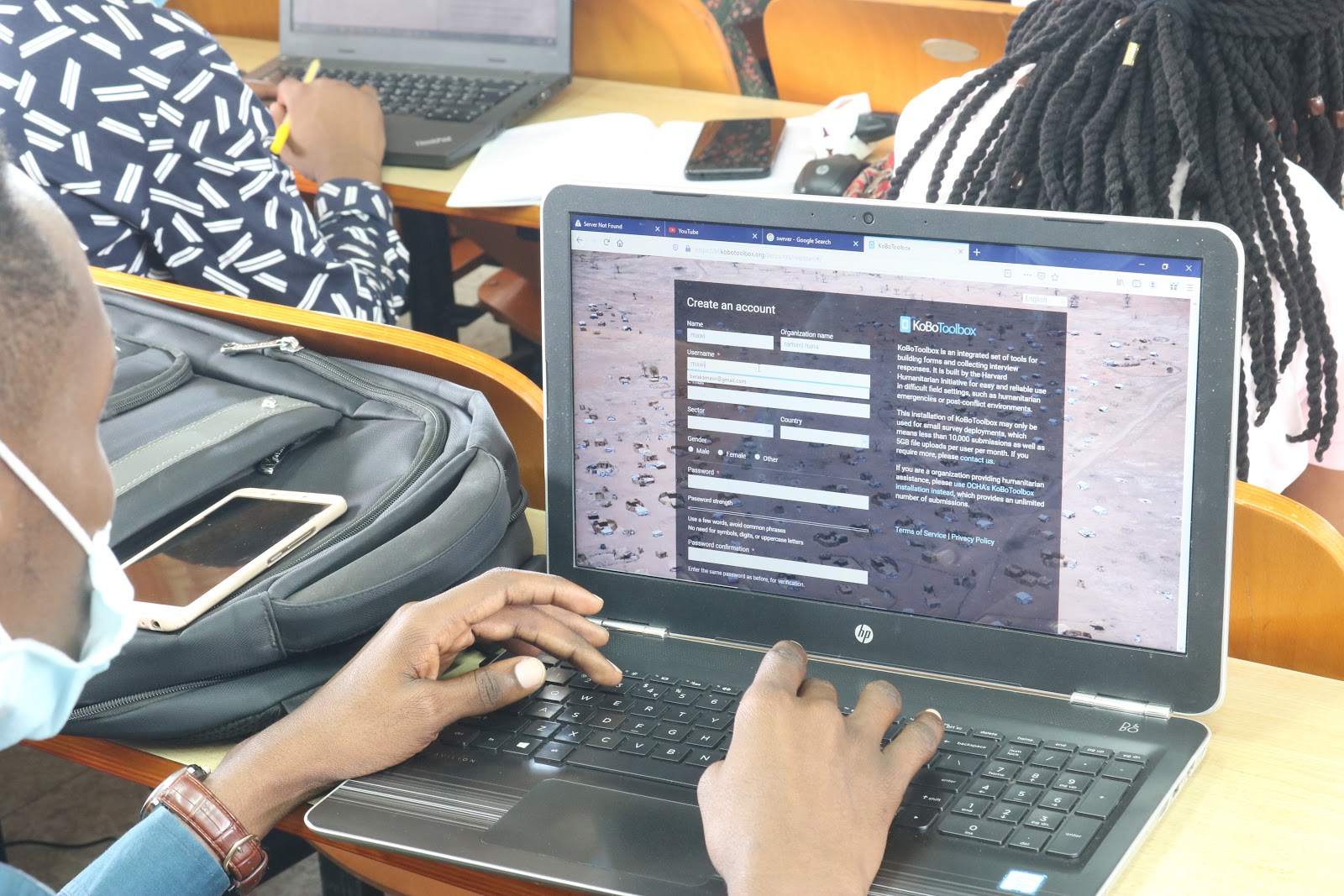
XLS Form and KoboToolbox server creation. It is very important for students to understand the infrastructure behind the surveys they will conduct in the field. Helping the students see how applications work in the backend to produce what they see in the frontend increases their passion and appreciation of what they are doing. Students created their own KoboToolbox accounts and learned how to create forms and deploy them on the server. This will equip them with the necessary skills that will help them beyond industrial training especially for those doing their dissertations and research; this can be the leap from field papers to digital data collection we have always been hoping for.
Student creating a KoboToolbox server account
Introduction to drone imagery for mapping and how important it is to have these images while mapping for floods. This was demonstrated to the students visually with a drone video prepared by one of our supervisors to inspire students who want to gain more skills in drones.
The importance of community engagement while mapping and how to conduct/collect household surveys.
What we expect from students
At the end of this training, we expect students to have a better understanding of the strength of maps acting as a tool for urban resilience and how the data collected can be analyzed, visualized, and used for decision-making in the long run. Students will work on the following:
Flood extent mapping: Conducting household surveys on the extent of flooding in different predetermined areas by interviewing community members living in these areas with questions like the depth of flooding and how often the flood occurs. This data will help in the development of a flood model. Since flooding is a very sensitive issue especially to communities that are being affected, the communities may be reluctant to cooperate with beliefs that their houses may be demolished. In order to overcome this hurdle, we train students to clearly explain the goal of the project and that it does not aim to relocate them, but rather provide relevant data to decision-makers which will result in infrastructure development in their communities.
Ground control points for UAV surveys: As an extension of the Ramani Huria 2.0, an additional targeted 100 GCPs will be collected by students from these universities in three rivers; Msimbazi, Mlalakuwa, and Mbezi rivers which will be processed for rectifying drone imageries.
Building footprints digitization: Most buildings within the city have already been digitized using a high-resolution raster background, however, this is from 2016 imagery. Students will use Maxar imagery (with 50cm accuracy) to re-digitize Dar es Salaam to provide building exposure data. The focus of the updated digitization will be on peri-urban areas where a high rate of change versus the situation in 2016 is expected. Inner city and other already densely populated areas will only receive cursory checking and validation, and will not be updated at the individual building level.
Tree mapping: This will involve measuring the height of the tree diameter at breast height (DBH), identifying tree species which can also be identified using tree leaves, bark, roots – A botanist will help to identify the species in SUA. At Dar es Salaam, students will be mapping trees along the River Ng’ombe that is being upgraded to get a baseline tree database.
Data quality and validation: After data collection, few students will be trained on data quality assurance. They will conduct quality checks to make sure that data is of the desired standard.
A student learning how to use ODK for Data Collection
Insights from Students
Students are generally motivated and eager to learn more in the coming weeks. According to the students, they didn’t know that their mobile phones could be used for anything other than just normal communication. They shared their minds with us:
“Our mobile phones are much more than just texting and calling, I didn’t know I can use my phone for mapping. I’m really looking forward to learning more, especially field mapping and GIS applications”. Zulfa Said, Student – UDSM
“What I like more about this project is the involvement of community members, and this is what brings changes in our society “- Jackson Pilla, Student, SUA.
On 29th July 2019, the Ramani Huria (RH) summer industrial training project entered a new era of management and administration, shifting from the direct management by the Humanitarian OpenStreetMap Team (HOT) to being managed by universities, i.e. University of Dar es Salaam (UDSM), Ardhi University (ARU) and the State University of Zanzibar (SUZA) as the Tanzania Resilience Academy (RA).
The RA has established cooperation between Tanzanian universities and the University of Turku in Finland together with national and international actors interested in working on urban resilience and flooding issues. Through the RA, multiple research teams, public and private sectors, NGOs and the general public come together to solve challenges of flooding with diverse digital datasets, tools, and solutions.
Just as it was done before, the Resilience Academy will focus on capacitating university students to be able to learn by doing and participating in real projects such as the collection of digital datasets, the only difference being that it will not be a stand-alone project, but a consortium of many other partners interested in the resilience program.
Since its establishment in 2015, Ramani Huria has picked up the pace and gained the reputation of becoming the largest community mapping initiative in Africa, training over 800 students working with over 6000 community members on open community mapping, mobile data collection, the power of mapping, and how it can serve as a tool for disaster planning and management.
By helping communities to map residential areas, roads, streams, floodplains, and other relevant features, the project has brought and will continue bringing disaster prevention and response to areas that were not visible on a map—considering that the city is unplanned and some neighbourhood construction is increasing at 20% per year. The data are being used by disaster emergency response programs and organizations such as RedCross and Dar es Salaam Multi-Agency Emergency Response Team (DarMAERT)
The project also builds awareness of the need for flood prevention and risk reduction to the local level, while teaching participants valuable computer and mapping skills that they can put to use elsewhere.
The Training
As the project is a new experience to the coordinators of the Resilience Academy, HOT is supporting the coordination in terms of organizing and training students. In this year’s industrial training, only 150 students were allocated to the program which is in contrast to last year where we had more than 600 students during the summer RH scale-up. The main reason to have fewer students is to be able to manage students properly as it is a new experience for the RA.
This number of students gives room for supervisors to provide intensive training and close follow-up on the materials disseminated together with practice in the field.
Students have their expectations from the project and the industrial training. One of the students interviewed had this to say:
‘My expectations during this training are to improve my academic career but also learn how to support my community when I graduate, especially fighting disasters like flooding. I’m specializing in drainage mapping–collecting datasets which will help us understand the flow of water in the city and support different initiatives focusing on flood reduction, by giving them reliable data’. He added ‘In general I would like to congratulate the Ramani Huria project for their amazing work in trying to help communities affected by flooding, I call for everyone out there to support the project for the present and future generations’. Humphrey Mrema–first year student, Urban and Regional Planning
Students are from different fields of study including Urban and Regional Planning, Housing and Infrastructure Planning, Regional Development Planning, Geography and Environment Studies, Computer Science, Computer Engineering and Information Technology, and Telecommunication Engineering, which will create a diverse range of expertise and the learning will be beneficial to all students and the future of the Resilience Academy.
‘This year’s industrial training, a different training is being conducted, I will specifically work with computer science students and see how we can integrate geospatial data and ICT–there is a big gap between these two fields and they have been seen as two separate independent blocks. But with the changing technology and seeing the bigger picture, there is a need to integrate them. For example, we are doing data collection, how are we going to develop tools? How are we going to automate the data cleaning process? i.e Python, scripting the tools we use in data collection, visualization, etc. one needs to have an understanding of both GIS and ICT’–Iddy Chazua, GIS and Tech lead-HOT/OMDTZ.
For the last three years, students have only been directly involved in data collection while a few did data cleaning and map production. In this phase, however, the training will be more advanced and students will be trained in a number of areas including:
Community mapping and mobile data collection: Using mobile phone applications for data collection such as OpenDataKit (ODK) Collect and OpenMapKit (OMK) and working with community members who support in the collection of information and produce an enormous amount of datasets.
Drainage mapping: Mapping drainage systems in the most flood-prone areas across Dar es Salaam using cheap and practical methods, and cleaning them in the Hydro OSM model. This data will later be used to produce a flood model of the city, early warning systems, and support in risk management and planning.
Data processing: The Geospatial Data Abstraction Library (GDAL) will be used for batch compression and conversion of the high-resolution imagery to Mbtiles to be used in data collection tools, i.e. ODK and OMK and desktop software (QGIS and JOSM). QGIS will also be used to monitor the daily quality of data by partial visualization as the data are collected and visualized for the final product.
Data management: This will be covered using PostgreSQL server with PostGIS extension installed locally for sharing data using Local Area Network (LAN) to avoid clipping and merging when sharing the data which may result in data loss and errors. The same setup will also be configured in a remote host, i.e. Digital Ocean, which will be potentially used for data storage and sharing among the teams throughout the industrial training.
XLS form creation: Creating ODK surveys to equip students with the necessary skills and not spoon-feeding them by only giving them pre-developed surveys to use in the field. This involves training them on how they can export collected data from the field and make initial checks on Excel.
Data manipulation and automation: Students will use the Python program to develop intelligent scripts and add automation to data cleaning used after data collection. They will be taught the fundamentals of Python as well as implementing their scripts practically to clean CSVs with ODK form responses from the community mapping activities of the industrial training. Additionally, they will learn GDAL bash scripting to automate image processing and scripts in SQL for manipulating data in PostgreSQL.
For smooth training and data collection, students have been divided into six major groups of specialization. I.e Flood extent mapping, Drone development, Drainage mapping, Computer Science, Assets and Threats mapping and Data cleaning group.
What is Next for Ramani Huria?–The Legacy of Ramani Huria
The second phase of Ramani Huria will end this year, however, the legacy of the project will still surface on different levels, from institutions to government to students who benefited from the project and many other fields. The legacy of the project can be explained in two major blocks:
Intangible Impacts:
Creating an apprenticeship system to students supporting them learn by doing i.e students participating in real project activities in the field. Through this system, a number of graduates who participated in the project are now implementing different projects and have technical and managerial capacities to run even bigger projects in the future.
The knowledge gained by students and community members throughout the implementation of the project. As we have mentioned earlier, more than 1000 students and about 300 community members have been involved in the project. The knowledge gained will increase the use of datasets produced and contribute to city resilience with a strong, young, and enthusiastic community that believes in data-driven policies and decisions.
Ramani Huria becomes a community-mapping model to other African countries and worldwide: Other countries like Zambia, Mozambique, Sierra Leone are now looking back at the project and see the potential of replicating it. The project has gone far beyond and is called ‘The largest community mapping project in Africa’. Having datasets with details in the fast-growing and unplanned city like Dar es salaam is a big step toward creating a better and resilient city. This is what other countries that are growing as fast as Dar es Salaam look up to, and see how they can design a project of this kind.
Tangible Impacts:
Datasets/maps, tools, learning materials and documentation of the project will be carried on and used by the Resilience Academy.
Companies using ‘our’ data and methods of data collection to run their activities. For example, Green Waste Pro LTD–A trash collection company in Dar es salaam, worked with us to develop datasets for them to be able to track and locate their clients for better service and revenue. The company’s revenue increased significantly as they started using our datasets. This is the result of the training and support they received from the RH team.
Government institutions changing their way of thinking through our influence and training—something that wouldn’t have been possible without the support of the RH team. I.e President’s Office Regional Administration and Local Government offices (PORALG)—working on administrative boundaries using our technical capabilities.
Institutions/NGOs like OMDTZ and the amazing staff with technical capabilities and managerial skills to run projects have come into existence through the influence of RH.
So, Ramani Huria as a project is ending, but the legacy of the project will still manifest over the coming years under the Resilience Academy and through many other partners and individuals who have changed their way of thinking and doing things through the project. We hope other countries will look to the legacy of Ramani Huria as a model for how community mapping can build resilience in their cities
Following the community mapping for flood resilience scale up workshop that took place on Monday 6th July, 2015 many students in attendance were inspired and motivated to join the Ramani Huria project, using maps to help reduce the effects of yearly seasonal floods. Ramani Huria signed up one hundred fifty students for training in mapping, including final year students from University of Dar es Salaam and internship students from Ardhi University.
Example of JOSM in use. PHOTO CREDIT: Ramani Huria
The students who signed up following the workshop participated in three days of training hosted at the University of Dar es Salaam. The training was conducted by fifteen student supervisors from Ardhi University, who prior to leading the training received three months of instruction with Ramani Huria. The three days of training for new students included an introduction to OpenStreetMap (a free editable map of the world) and mapping tools such as field papers (including their use and how one can create his/her own) and the GPS Unit (eTrex 30), used to record tracks and waypoints. In addition to the learning curriculum, the training included use of the OSM Tracker (an open-source Android phone application available in the Google Play Store) which does the same work as the GPS Unit for data collection but has a more user-friendly interface. Lastly, training was given in JOSM software, an open-source offline editing tool of OpenStreetMap. A variety of editing techniques and skills were taught to the students during the training.
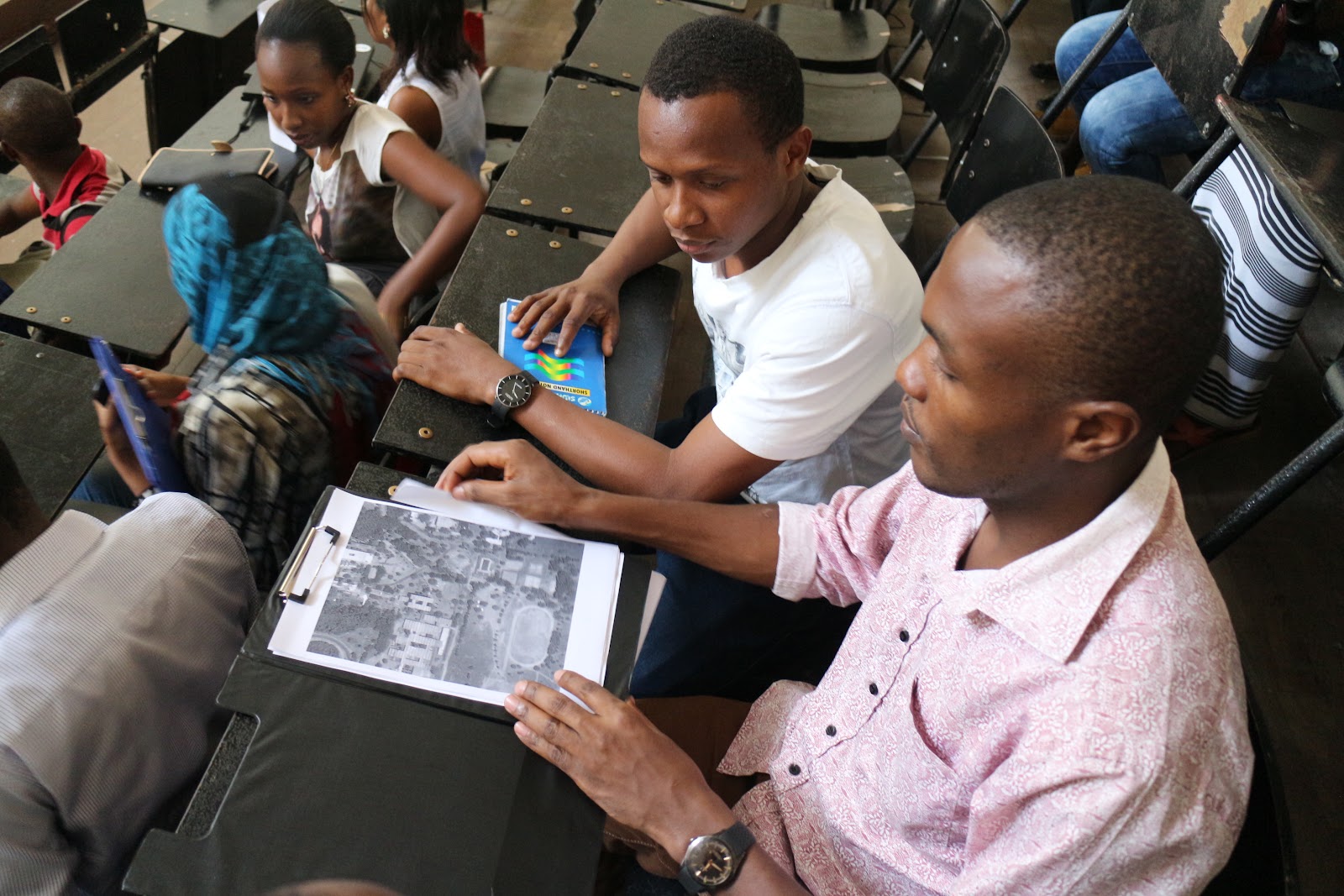
Training Students on Field Data Collection. PHOTO CREDIT: Ramani Huria
The first two days of training were theory based on the third and final day being fully practical and hands-on. Students applied their newly gained knowledge to map with areas across the University of Dar es Salaam campus.
Following the training session, Ramani Huria successfully activated one hundred fifty new active OpenStreetMap users from the two universities. These students will be part of the community mapping of six wards across Dar es Salaam. These six wards were selected from seventeen flood-prone wards and include Mabibo, Mburahati, Makurumla, Makumbusho Msasani and Keko.
At a later stage, the data collected and edited in OpenStreetMap will be used in InaSAFE (an open-source software used in QGIS) to help model disaster scenarios and will provide information to assist in allowing for better planning and response to floods by government authorities/offices.
PHOTO CREDIT: Ramani Huria
Through participating in this training the students have receiving skills not taught within their school curriculum, giving them an advantage in future employment. In addition, Ramani Huria aims to have active mappers even after the project has accomplished its goals. One way this is already being put into practice is through monthly mapping parties. These are open to all members of the community, in addition to students, and we invite enthusiastic and new mappers to help edit areas that need maps with the use of the HOT Tasking Manager. Stay tuned for updates on the next mapping party and additional ways of how you too can be involved in community mapping!