Categories
How To

How to: JOSM (Java OpenStreetMap Editor)

JOSM (Java OpenStreetMap Editor) is a desktop application to conduct mapping activities, the data from which can be added to OpenStreetMap (OSM). It is an open-source editor, written in Java. While initially, the interface may seem daunting compared to some other editors, JOSM offers many features which are extremely useful and isn’t too difficult to master. Another major benefit of JOSM is that mapping can be done offline, unlike with other editors such as iD or Potlatch. This has been very useful when mapping Dar es Salaam as our mappers do not always have a data connection.

Ramani Huria has provided trainings to our student mappers, including training 200 students from the University of Dar es Salaam & Ardhi University. You can view this training material here. 

Installing JOSM

How to install JOSM:

Capture.JPG
JOSM launch screen

Downloading data

Untitled.jpg
Select ‘Download from OSM’ to download map data

Once JOSM has been launched you will need to download data from the OSM servers to edit. From the main menu at the top of the screen, select File then Download from OSM. 

Capture.JPG
Selecting the area to download

After clicking ‘Download from OSM’ a popup dialogue box with then open allowing you to select the specific you would like to download data for. Drag your mouse to select the area you would like, it will be highlighted as a pink box. Once you are happy with the area selected, click the ‘Download’ button at the bottom of the box. Data can also be downloaded from the OSM servers with a URL link. To import this way, select ‘File’, then ‘Open location’ and paste the link. 

JOSM with then connect with the OSM servers to download the data layer. When data is downloaded, it will be visible in the central panel of JOSM, the ‘map view’ area (see below). Downloading large amounts of data may take a long time, depending on your internet connection, we recommend working with smaller portions and then when complete downloading another portion.  

The JOSM Interface

Untitled.jpg
JOSM interface

Once you have downloaded the data, the full JOSM interface will open up. The following are key elements of the JOSM interface that you should be familiar with:

  • Map View: the main window where geo-data is displayed and editing is done;
  • Main menu: the menu from which most functions can be selected, the menu is also customizable depending on the plugins installed;
  • Shortcut toolbar: a toolbar consisting of shortcuts to commands from the main menu. Highly customizable, menu items can be added or removed from the preference dialog;
  • Edit tools: contains drawing tools and the show/hide buttons for the Toggle Dialogs window;
  • Information panels: shows information about data in JOSM including a list of special features, objects, the way in which selected objects are tagged, the last mapper to edit a feature, and different layers in the current view. 

Editing data

Capture.JPG
Data downloaded from OSM servers overlaid with aerial imagery

Once the data has downloaded, select ‘Imagery’ from the main menu and choose the imagery you would like to use, for example, Bing aerial imagery. If available for the area, we recommend mbtiles imagery as it is clearer than Bing aerial imagery. 

The data layer will then be overlaid with the aerial imagery. The cross-hatched area shows you the area which is outside of the data you have downloaded from the server. 

Capture.JPG
Selecting layers in JOSM

Layers can be controlled in the layers section of the information panel, including: activating or deactivating the visibility of a layer; changing the layer’s transparency; merging layers; duplicating a layer; deleting a layer. 

Navigation in JOSM

While there may be some variations based on your operating system or computer, key navigation in JOSM include:

  • right mouse button: used to drag the map and navigate in different directions
  • left mouse button: used to manipulate an element
  • scroll wheel: used to zoom in and out

Editing tools

The editing tools are found in the top left of of the shortcut bar (on the left of the screen) and here are three main modes of editing: select; draw nodes; delete nodes or ways. 

Use the draw nodes (shortcut A) to add new points, lines or polygons, or extend an existing way.
Use select (shortcut S) to select elements, view/edit their tags, and move elements.
Use delete notes (shortcut Ctrl+Delete) or ways to delete selected elements. 

Drawing basic elements

Untitled.png

In drawing basic elements in JOSM, there are three main types of features that can be created, all of which are created by the draw nodes tool. The three classifications are:

  • Node: this is a single point which marks a specific location, for example, a shop or mobile money agent location;
  • Way: an ordered list of nodes connected by line segments, for example, roads, paths;
  • Closed way: nodes which create a closed-loop to describe areas, for example, buildings, lakes, islands.

When drawing elements, it is also always advised to give the element the appropriate tag (explained further below). 

To draw a standalone node:

  • Clear your current selection, this can be done by the shortcut key ‘Esc/Escape’
  • Select ‘Draw Nodes’ (shortcut A)
  • Double click in the map view the location the node should be located
  • Return to ‘Select’ and select ‘Presets’ then ‘Tags’ to tag the element, for example, if it is a kiosk, select Presets > Shops > Food > Kiosk. Additionally, tags can be searched by selecting Presets > Search Presets, or using the shortcut F3.

To draw away:

  • A way consists of several nodes, once you have selected one node, click again in the map view to create a second node
  • Continue to click in the map view to create a number of nodes which will form a line
  • To finish, double click on the last node of the way or press ‘Esc/Escape’ 
  • Tag the feature in the same way as for a node, for example for a residential road select Presets > Highways > Streets > Residential

To draw a closed way:

  • Click on the map view where the polygon will begin
  • continue to click to create the shape of the polygon – note that a closed way should be a closed area
  • to finish, click on the first node of the way – this will close the area being drawn
  • Tag the feature, as above, for example for a residential building select Presets > Man-made > building. For this type of tag, an additional pop-up window will open to add additional information on the building, including the type of building, name of the building, and height of the building. 

Tagging

Capture.JPG
Example of tags, showing both keys and values

Tags describe data in OSM and are attributes that label basic elements (nodes, ways, closed ways). A tag is composed of a key and value. A key is a label that gives the general classification of the feature, the value gives more specific information. Both the key and value are always in lowercase and do not include spaces if space would normally be used and underscore is used instead.

Tags are displayed on the right-hand side of the screen under ‘properties/memberships’. When you select an element, a table will appear in this area showing both key and value fields. 

Features may have multiple tags. It is advisable to add all relevant tags to any element you create as this will improve the quality of the data you upload and assist other mappers. 

Presets

Untitled.png
Select presets from the main menu to label element

Presets are tags that are ‘human-readable’ and allow elements to be labelled from a predefined menu. To do so, select presets from the main menu and choose the preset labels that match your element.

Uploading data to OSM servers

Once you have created/edited/deleted and tagged all features in your downloaded data, the amended data can be uploaded to the OSM servers. 

Capture.JPG

Log in with OSM username & password

Log in to JOSM by selecting Edit > Preferences > Connection from the main menu. Input your osm_id (OSM username) and password, then click OK.

Capture.JPG

Uploading data to OSM

Once logged in, select File > Upload data (shortcut Ctrl+shift+up) from the main menu. A pop-up menu will list the data to be uploaded and ask you to provide comments on the changes, for example, ‘Community mapping for flood resilience – Sinza’, and specify the source for changes, for example, Bing aerial imagery. It is always wise to add specific information about the changes you have made to assist other mappers and improve the quality of the data.

To upload, click ‘Upload changes’ and your data will be uploaded to the OSM servers. When the upload is complete, you will be notified with the message ‘Upload Successful’ – don’t close JOSM until you have received this confirmation.

Congratulations, you have now contributed to OpenStreetMap by using JOSM!

Learn more

JOSM is a very powerful tool and used by experienced mappers as well as beginners. To learn more about the many features and tools available through JOSM see the JOSM section of ‘Learn OSM’.

If you have questions about using JOSM the Ramani Huria team is always happy to help. We support monthly Maptime Tanzania events where we often provide additional training on JOSM. Get in touch with us or come along to our next Maptime Tanzania event to learn more or get specific help. 
Categories
How To

How to: Data collection tools

There are many data collection tools you can use to gather the information required to make maps, depending on your needs and resources. Working in Dar es Salaam, the Ramani Huria team have developed a systematic approach to collect data from a variety of sources and allowing us to have develop accurate & sophisticated maps. In this how to blog post, we will give you information about the tools we use specifically to map flood-prone wards of the city and the collection of data for flood resilience. All the data collected with these tools is shared on OpenStreetMap (OSM)

Data collection tools are the instruments and devices used to aid the process of gathering data and it’s vital for our mapping process that these tools can capture the information required, be usable by our mappers, and perform in the daily environment of Dar es Salaam. Our mappers, students and community members, use a range of tools including:

  • stand alone GPS devices
  • field papers
  • note taking i.e. pen and paper
  • mobile apps including OSM tracker

Together these tools allow us to collect the information we need and produce useful maps for the communities we work in. Many of these tools are accessible for anyone to use and we’ll tell you a bit more about how you can use them to create maps. 

Stand alone GPS devices

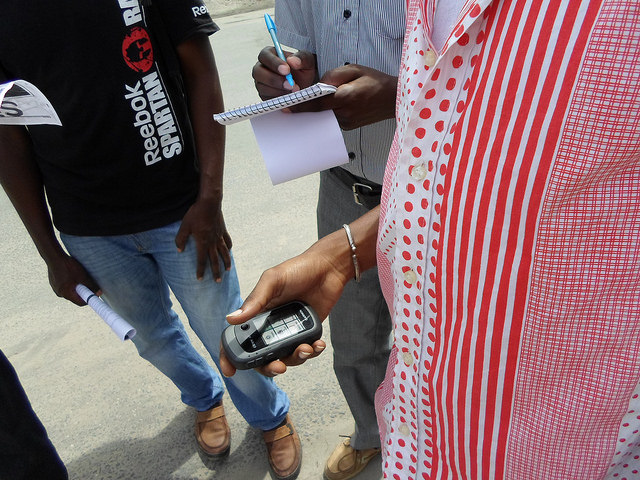
GPS stands for Global Positioning System, a satellite-based navigation system made up of a network of satellites that function in any weather conditions, anywhere in the world, 24 hours a day. Put into orbit by the U.S. Department of Defense GPS was originally intended for military applications but has become available for civilian use. By receiving signals from satellites orbiting the earth, GPS calculates your exact location and provides it in coordinates of two numbers: longitude (how far west or east you are) and latitude (how far north or south you are). We use GPS devices with Ramani Huria because they are highly accurate and very simple to use by our mappers, regardless of experience. There are also small and lightweight making them easy to use wherever our mappers are in the city. 

Ramani Huria mappers using a GPS unit in Ndugumbi ward PHOTO CREDIT: Ramani Huria

There are a range of GPS units that you can use and they function in much the same way. The units used by Ramani Huria are similar to those pictured above and allow our mappers to easily navigate their location.

How to use a GPS unit

Ramani Huria uses Garmin GPS units, here’s a guide using the tool in your mapping. 

  • Turn the unit on by pressing the lower button on the right hand side labelled ‘light’. Once the device is turned on, it will start receiving satellite signals. 
  • Using the joystick, navigate through the menu and select ‘Satellite’. A new window will pop up which will tell you the accuracy of the GPS unit and your current position. Ideally your accuracy should be 5-3 metres, you may need to stand still for a little while for the accuracy to improve. 
  • Freely move around as you collect information and whenever you would like to take a point of reference or save a location, select ‘Mark Waypoint’ from the unit’s menu. The GPS unit will save the location. By default the locations will be numbered but you can also customise the name of the location. For later reference, it’s also a good idea to write down in a notebook the name and tags of any waypoints you save. 
  • A series of locations that you move through, creating a path, are called tracks. You can also save these on your unit. Tracks are useful for mapping objects that are represented by lines or shapes, for example roads, drainage systems, or the shape of a field. As part of gathering information for flood resilience, Ramani Huria is mapping drainage systems, so this feature has been especially helpful for us. To see or edit your tracks, select ‘Track Manager’ and you will see both your current track and any other tracks you have saved. Click ‘Current Track’ to save your track, you can give it a custom name or leave it with the default name. Always ensure you save your tracks when you finish mapping an area!
  • When you have finished mapping, ensure you turn off your device by pressing the ‘Light’ button. It’s important to turn the device off so that it does not continue to track your movements after you have finished data collection. 

When you have finished data collection, it’s important to make this information usable, for example Ramani Huria uses JOSM to add the data collected to our maps. To do this:

  • connect the GPS unit to a computer/
  • wait for the computer to detect the device and display the files, for example, with the device above you will see a file name ‘Garmin’. Double click and you will see several files stored on the unit.
  • Click on the file ‘GPX’ and this will display your saved waypoints and tracks you have collected.
  • Once you have JOSM open, select ‘File’, then ‘Open’, and the choose the waypoints and tracks to import them into JOSM. 

We will be releasing a ‘how to’ post on JOSM soon, but in the meantime, check out the official guide

Field papers

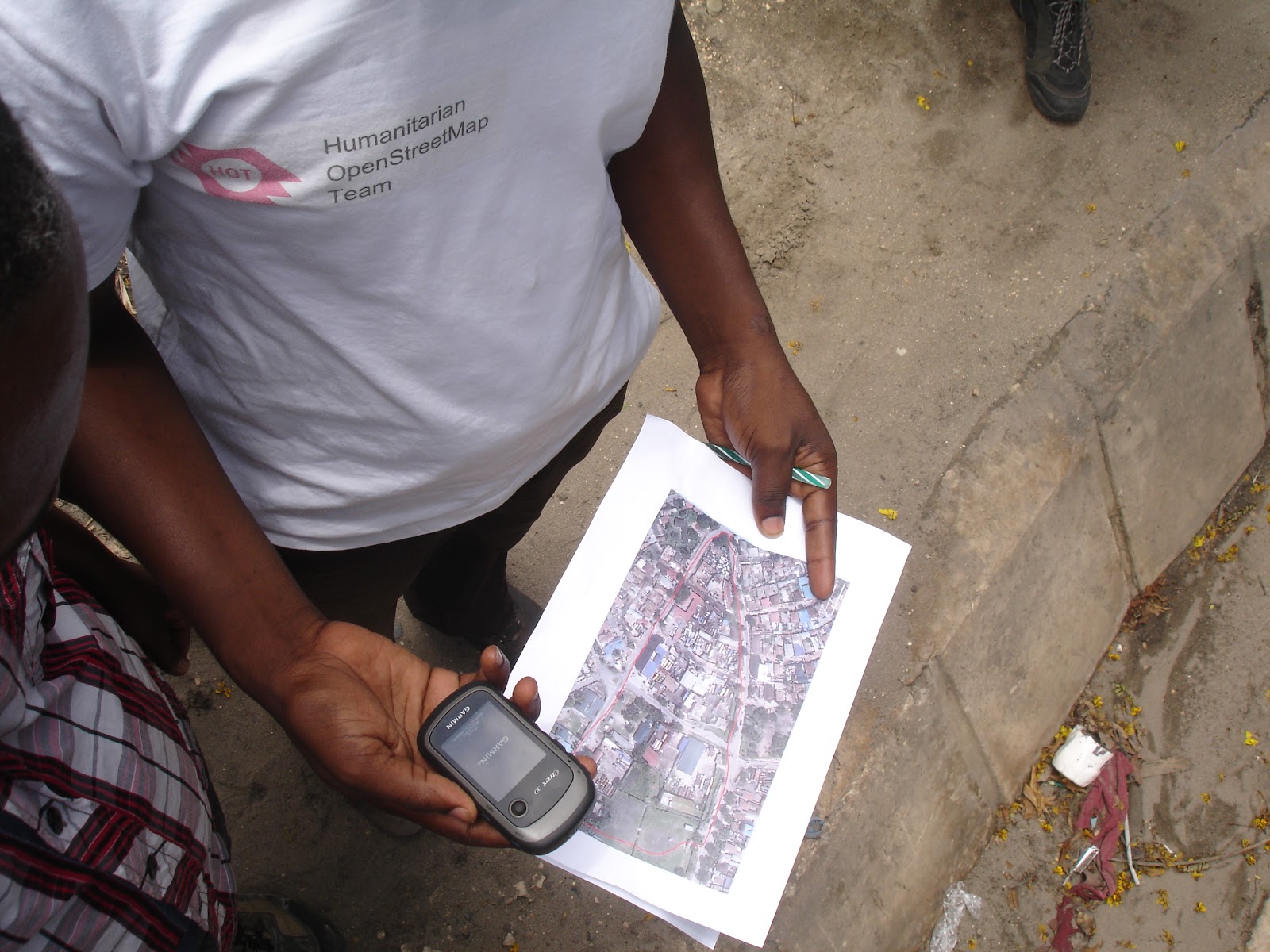
Field papers are pieces of paper that allow you to easierly gather data while in the field by printing a map of an area, drawing on it and adding notes, and then loading the paper back to JOSM before adding the locations to OpenStreetMap. 

The Field Papers website allows anyone to create a multipage atlas of anywhere in the world. Ramani Huria is mapping the city of Dar es Salaam ward by ward but in order to allocate mapping tasks, we divide the ward into workable portions. With the assistance of GPS units, this ensures our mappers know exactly where to map in the field and makes the process very efficient.

DSC00827.JPG

A mapper with field paper and GPS unit PHOTO CREDIT: Ramani Huria

How create field papers

Using the Field Papers website, you can create field papers for anywhere in the world, perhaps you want to map your neighbourhood and upload it to OSM or maybe you’re visiting a new city. Here’s how to create your own:

Capture.JPG

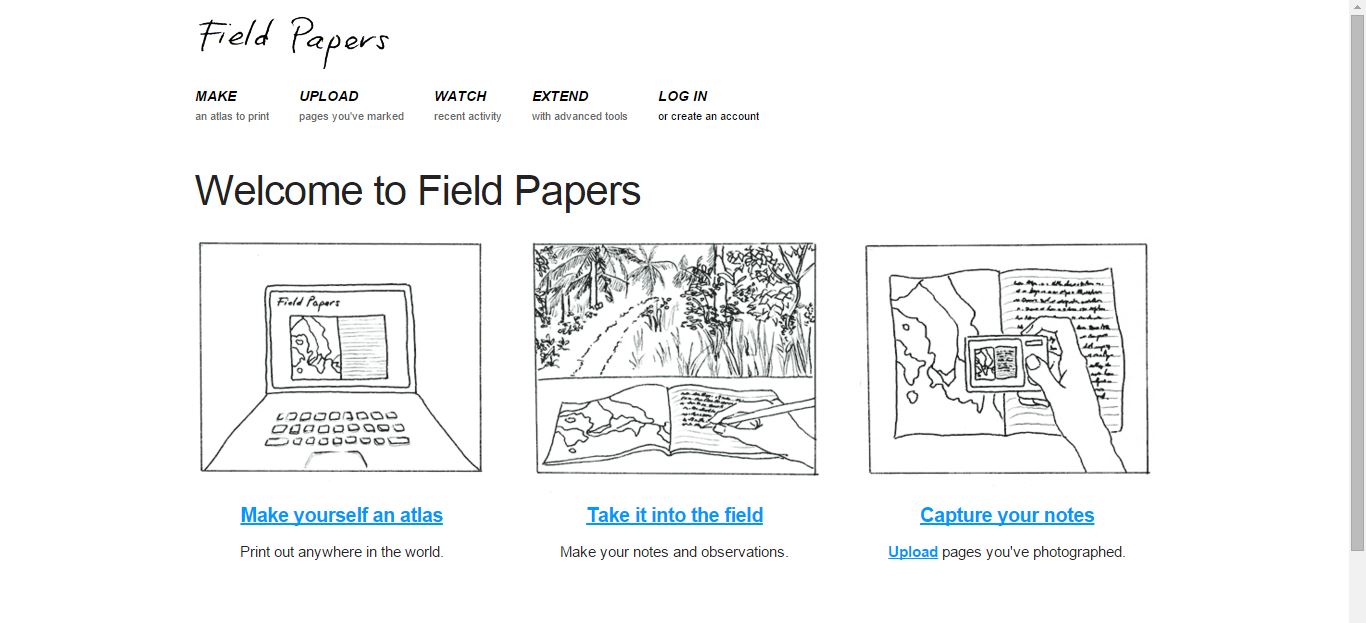
Start by selecting MAKE or ‘Make yourself an atlas’

  1. Go to the Field Papers site: http://fieldpapers.org/. Creating an account is option but it’s a good idea if you would like to save the field papers you create online. 
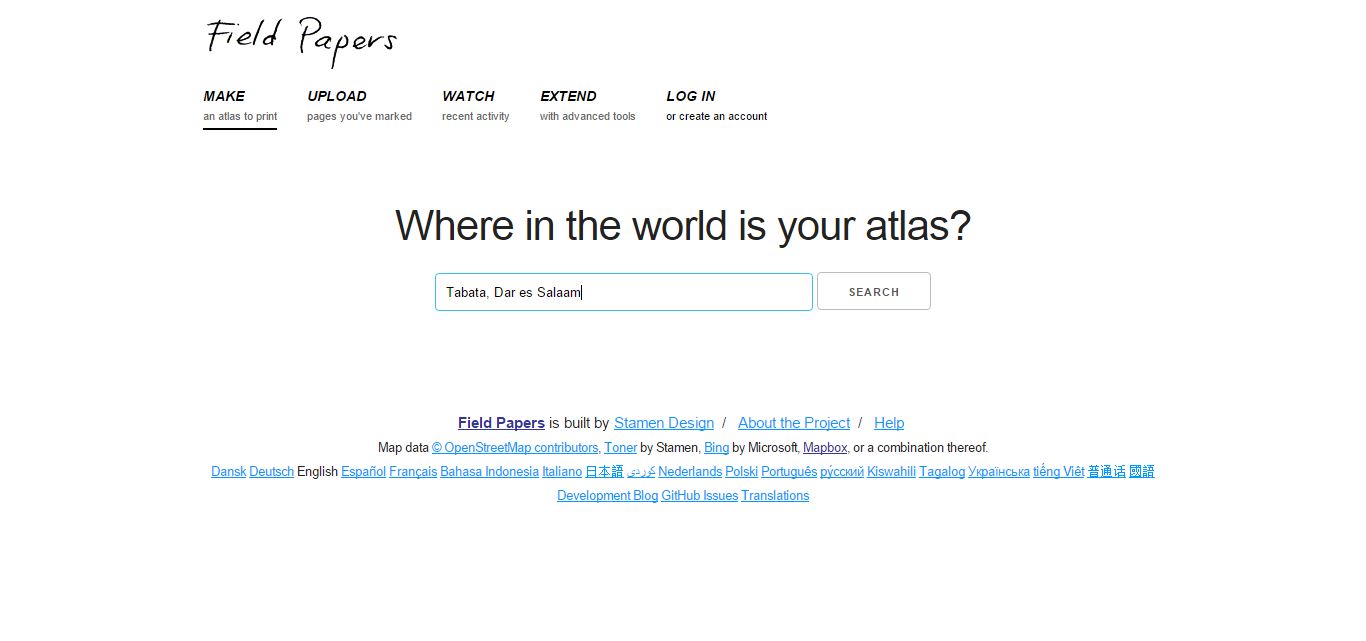
Capture.JPG
  1. Select the first option in the menu, ‘MAKE’ or click ‘Make yourself an atlas’. The next window will ask you ‘Where in the world is your atlas’. 
Capture.JPG

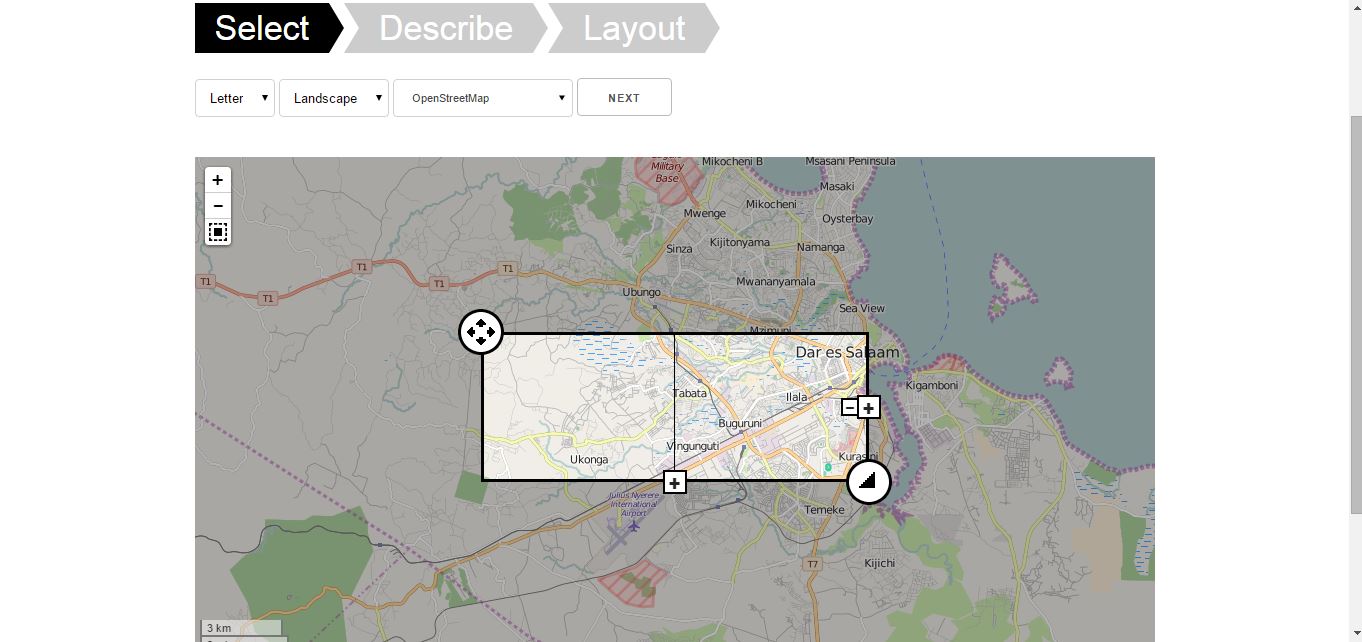
Select the area you are interested in

  1. The next page will show the area you have requested on OpenStreetMap. Use the tools to select the specific area you would like. The buttons are as follows:
Capture1.png

             this tool moves the area selected on the map

Capture1.png

            this tool increases or reduces the coverage of the area you have selected

Capture1.png

            this tool reduces or adds the number of portions the area is split into, make sure you create a reasonable number of potions based on the atlas you are creating i.e. the map should be split into enough portions that is clear and usable

Capture1.png

            the top two buttons zooms in (+) or out (-), the bottom button centers the portions on the screen

Capture.JPG

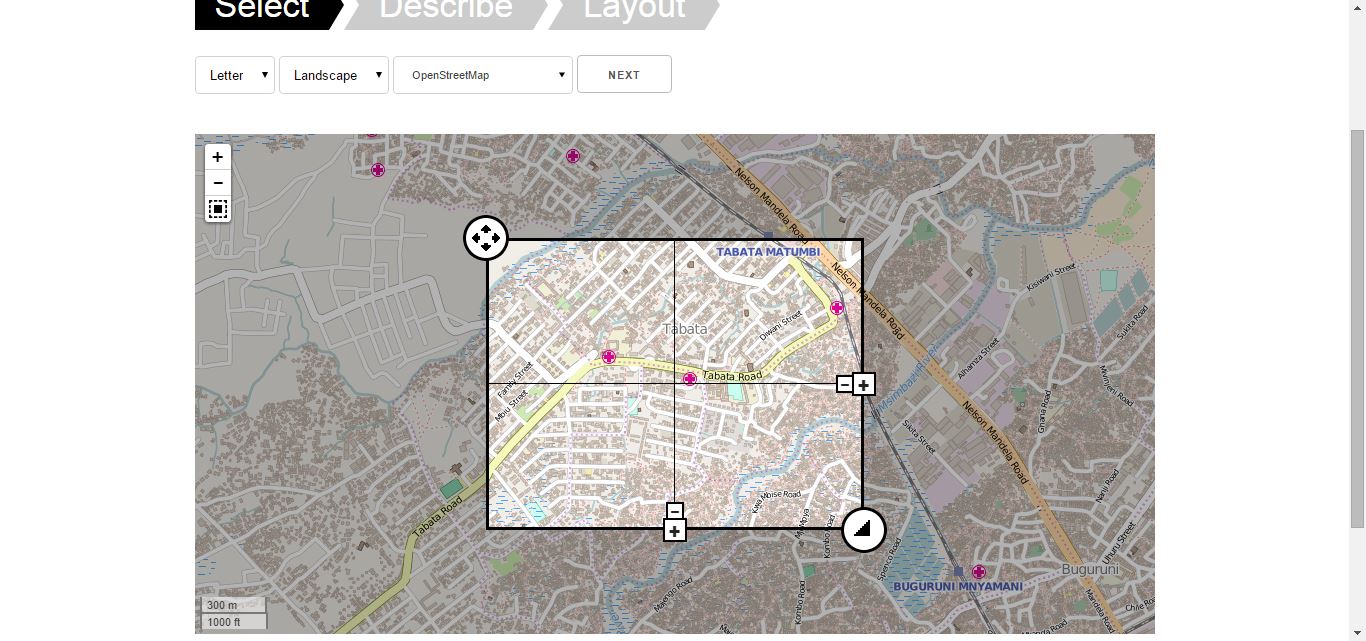
Default settings for creating field papers once you have selected your area to map

4. You will see three tabs above the map, ‘Select’, ‘Describe’, and ‘Layout’. You will initially be on the ‘Select’ option giving you three elements to define from drop down lists.

  • ‘Letter’ allows you to set the paper size, either A3 or A4. Most standard printers use A4 and this is also a more user friendly size for mapping in the field. 
  • ‘Landscape’ means that the portions will be wider than they are tall. If you would prefer ‘portrait’ (portions taller than they are wide), you can change this option from the drop down. 
  • ‘OpenStreetMap’ is the default option for source of the field papers. You can also select other options such as ‘black and white’ or ‘satellite’. Select the appropriate option for your mapping needs. For mapping conducting by Ramani Huria, we use satellite imagery so select ‘Satellite only’. 

Once you have selected the appropriate options, click ‘Next’. 

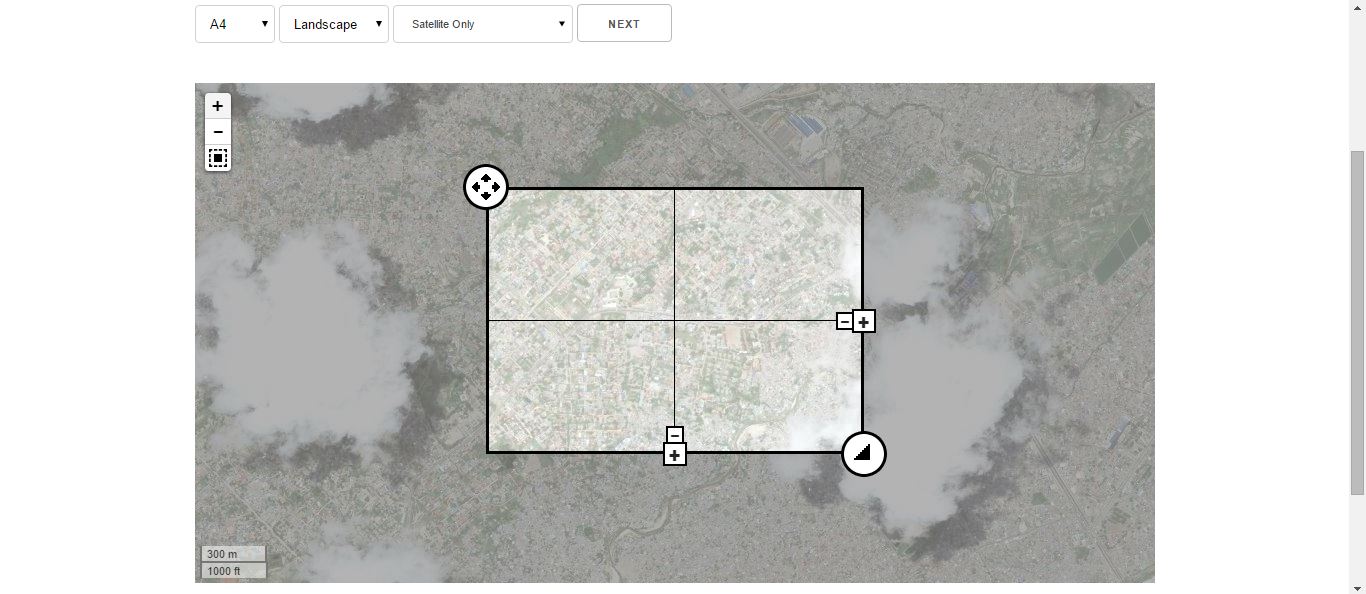
Capture.JPG

These settings will produce 4 landscape A4 field papers from satellite imagery

5. After clicking ‘Next’ you will go to the ‘Describe’ section which will allow you to name the atlas. You also have the option to make the atlas as private if you do not want it to be publicly viewable.

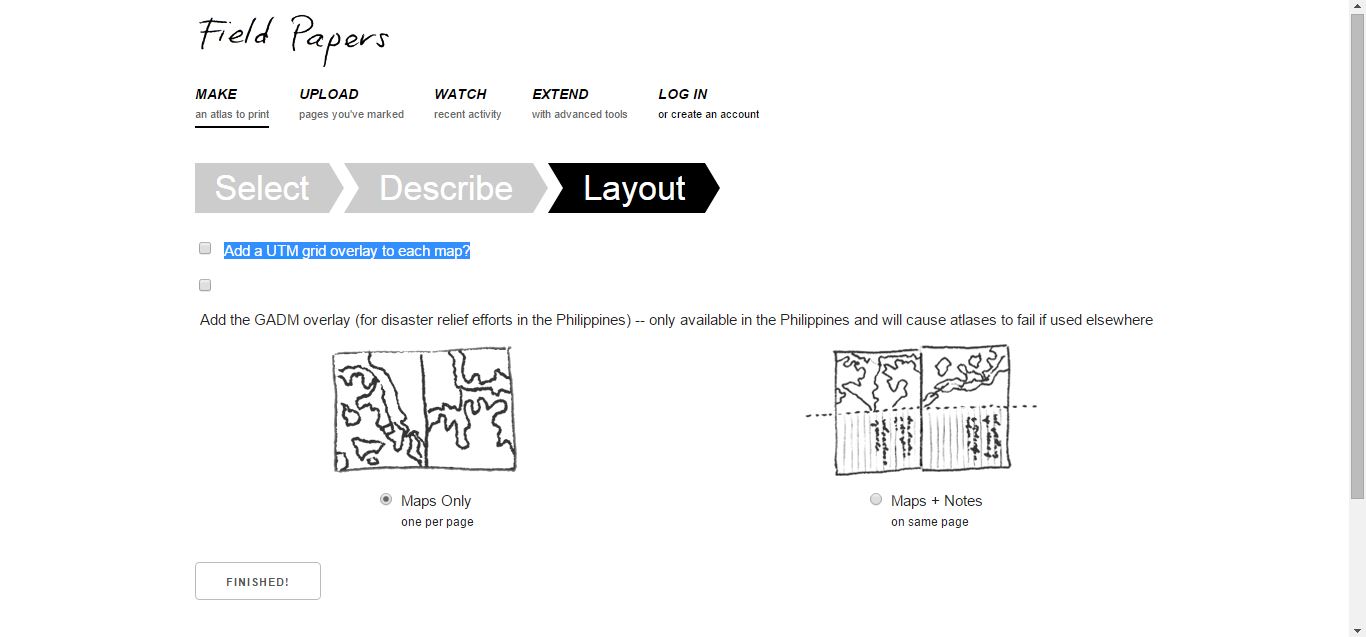
Capture.JPG

Selecting ‘Layout’ options

6. Clicking ‘Next’ again will take you to the ‘Layout’ tab. You can choose to add a UTM (Universal Transverse Mercator) grid and choose to either create ‘Maps Only’ (a full page map) or ‘Maps + Notes’ (a half page map with notes on the rest of the page). When you have selected your options, click ‘Finished’. 

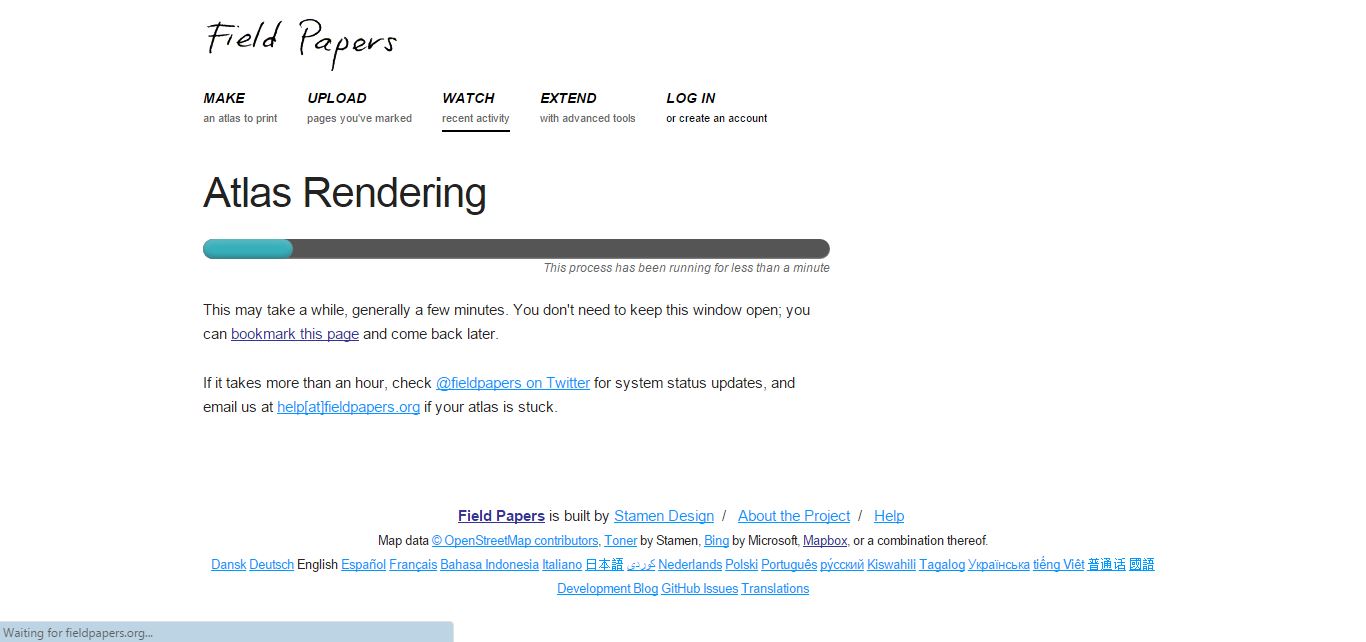
Capture.JPG

Rendering the atlas

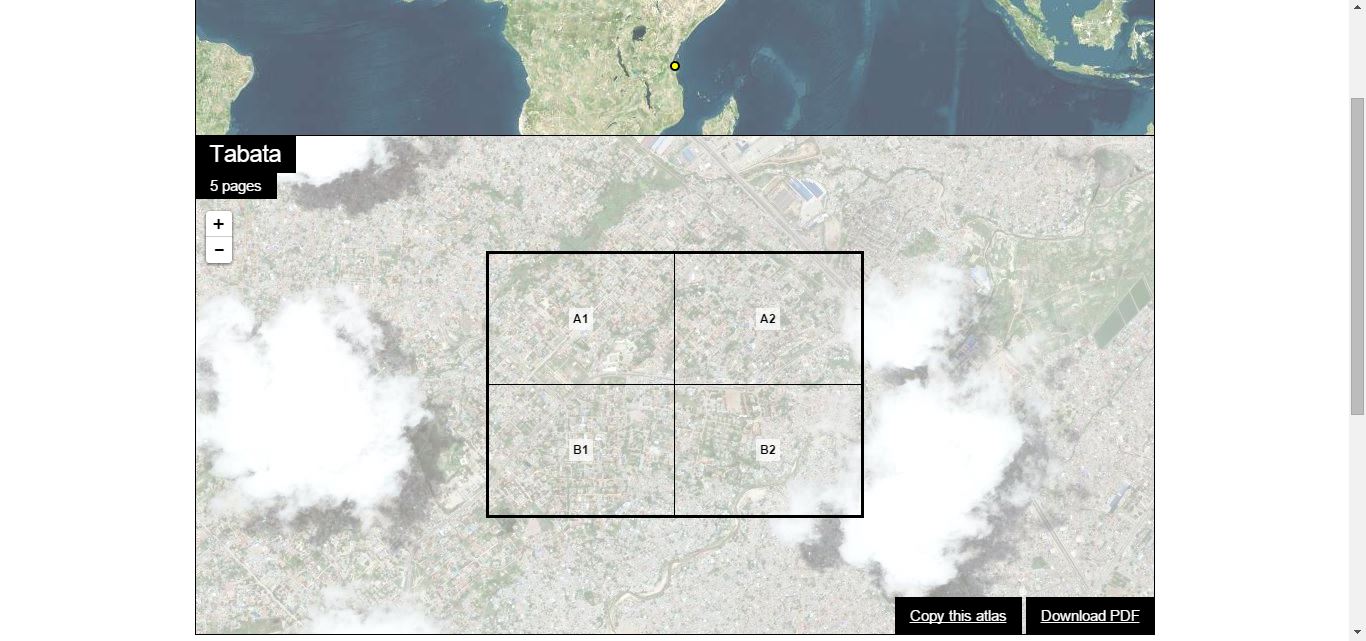
7. Your atlas will then be rendered, and when completed a window will pop up. This window will show the portions you have created with imagery, with each portion having a unique label e.g. A1, A2, B1, B2. In the top left corner you will see the name of the atlas and the number of papers created. To save the papers, click ‘Download PDF’ in the lower right corner. 

Capture.JPG

8. Your downloaded PDF will included overview information about the atlas as well as all the field papers you have created. You can either print the papers or keep them digital and use the filed papers to assist in data collection in mapping!

Note taking i.e. pen and paper

Note taking with pen and paper is always a useful compliment to any data collection tools. Mapping in Dar es Salaam Ramani Huria has found that pen and paper can also be very useful when there is no power, signal, or other tools run out of battery. 

We advise creating and using data collection forms to gather additional data as you map, this can help you remember details of features you are mapping and is more efficient than noting all details in a GPS device, which can take a lot of time. 

Capture.JPG

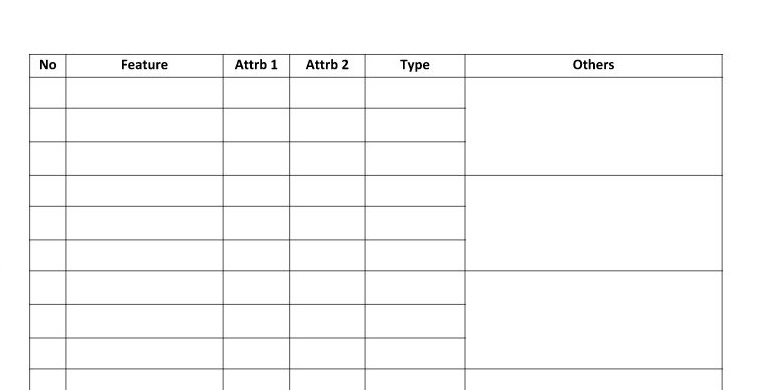
Sample of data collection form SOURCE: Ramani Huria

Above is an example of a data collection form Ramani Huria mappers have used. Before you begin mapping, be clear about what information you are looking to gather and design your form to assist you in capturing this information. 

Mobile apps, including OSMtracker

There are a number of mobile applications that can assist you in data collection when mapping, one example used by Ramani Huria is the OSMtracker. This works similar to a GPS device and is designed to be a tracking tool for OpenStreetMap. This app requires GPS on your phone to be turned on and to have a working data connection while using the app. 

The app is available for Android or Windows Mobile. Once you have downloaded the app, launch it and begin creating your first track. 

aa502055-b1d7-46b1-a7aa-3881dd3f15fc.jpg

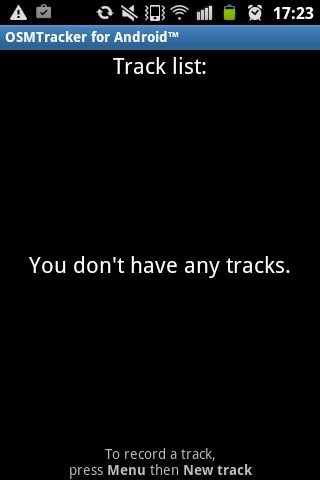
Tracks, click ‘New track’ to start mapping

To start mapping, click ‘New track’. Your phone will ask you to enable GPS, this is required to collect data. Once enabled you will see a variety of options including a network signal bar, you may need to wait for this to turn from red to green, indicating the GPS has picked up the network. 

61bba434-5f91-4e2b-bec5-78860ad6c406.jpg

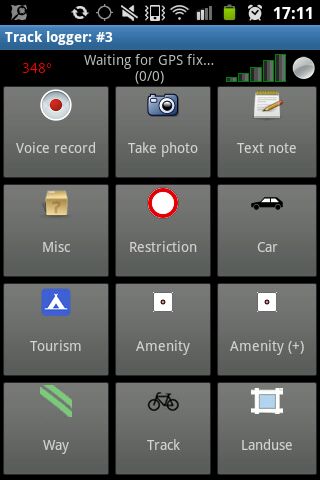
OSMtracker menu on Android

As you move around the app will track your movements and from the menu you can select a number of options to add notes, for example take a photo, record audio, or make a text note. All of these notes will be geo-referenced and when uploaded show in JOSM exactly where the information was recorded. You can also add in information about features and waypoints.  

8b148560-c8e2-4b72-98fa-6fa694093844.jpg

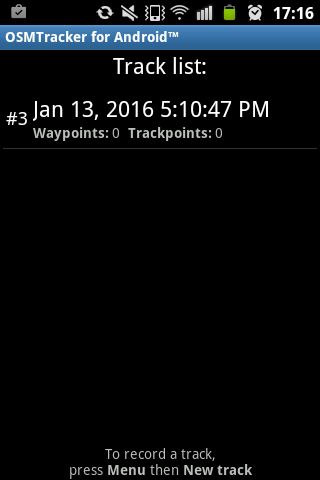
Track list once stopped and saved tracking

While you are tracking, click ‘Stop & Save’ to return to the homepage. You will see the track you have just done (and any previously saved) listed. 

da0f027a-159b-4221-9976-33b1da0dcbc8.jpg

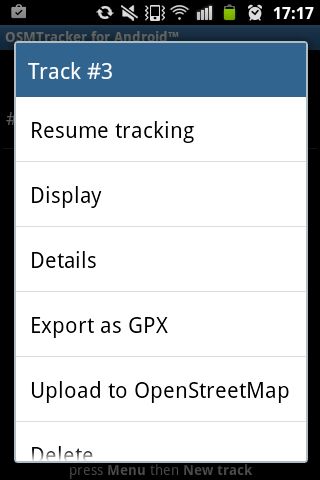
Track options

Clicking on the track will give you a number of options including ‘Resume Tracking’. 

When you have finished data collection in the field and are ready use your data, select ‘Export as GPX’ to make the information readable by JOSM. You can also share the data collected directly to OpenStreetMap. 

Once you have exported the data as GPX, connect your phone to the computer. Once connected, located the OSM tracker file on the phone and copy to your computer. 

Untitled.png

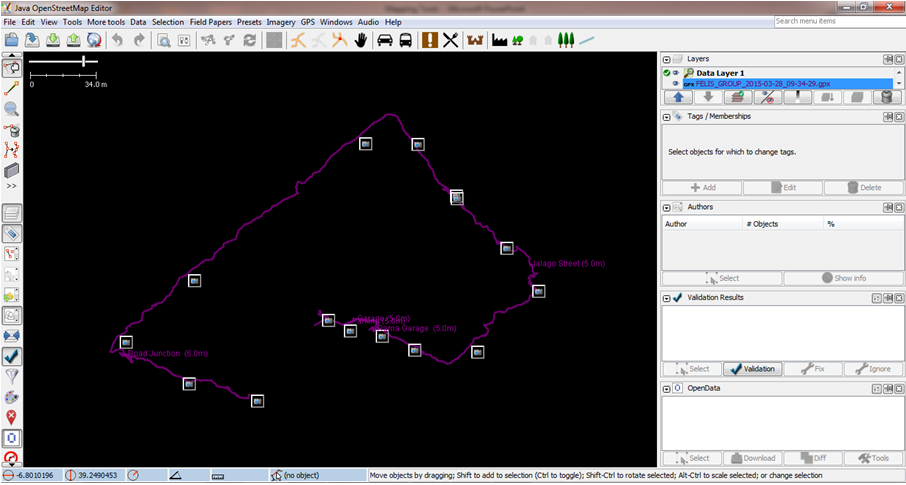
Data collected by OSMtracker exported as GPX and imported to JOSM

After launching JOSM, you can open the tracks you have created, as well as any additional notes you saved while mapping. These notes are especially helpful in digitisation. 

Start mapping!

Now that you know more about data collection tools you’re ready to start mapping! Make sure you share your data on OpenStreetMap and contribute to the biggest community driven map of the world.

Categories
How To

How to: HOT Export Tool 

The HOT Export tool is a tool created by Humanitarian OpenStreetMap Team (HOT) that allows you to create custom OpenStreetMap (OSM) exports, you can download up-to-date maps for GIS analysis or use in GPS devices and/or smartphones. The OSM data available from the tool is updated at one minute intervals so very accurate and a number of file formats are available for exporting data in, including Esri SHP, Garmin IMG, Google KMZ, OSM PBF and SQlite SQL. Some of the features include the ability to:

  • create customized maps with tags and markers
  • translate maps into different languages
  • upload, update and utilize existing data files created by others with the Visual Tag Chooser application to help customize your map
  • convert OSM maps into other mapping programs using the structured query language (SQL) option
  • save and access your customized maps for later use by creating a personalized account

Exporting a map using HOT Export Tool

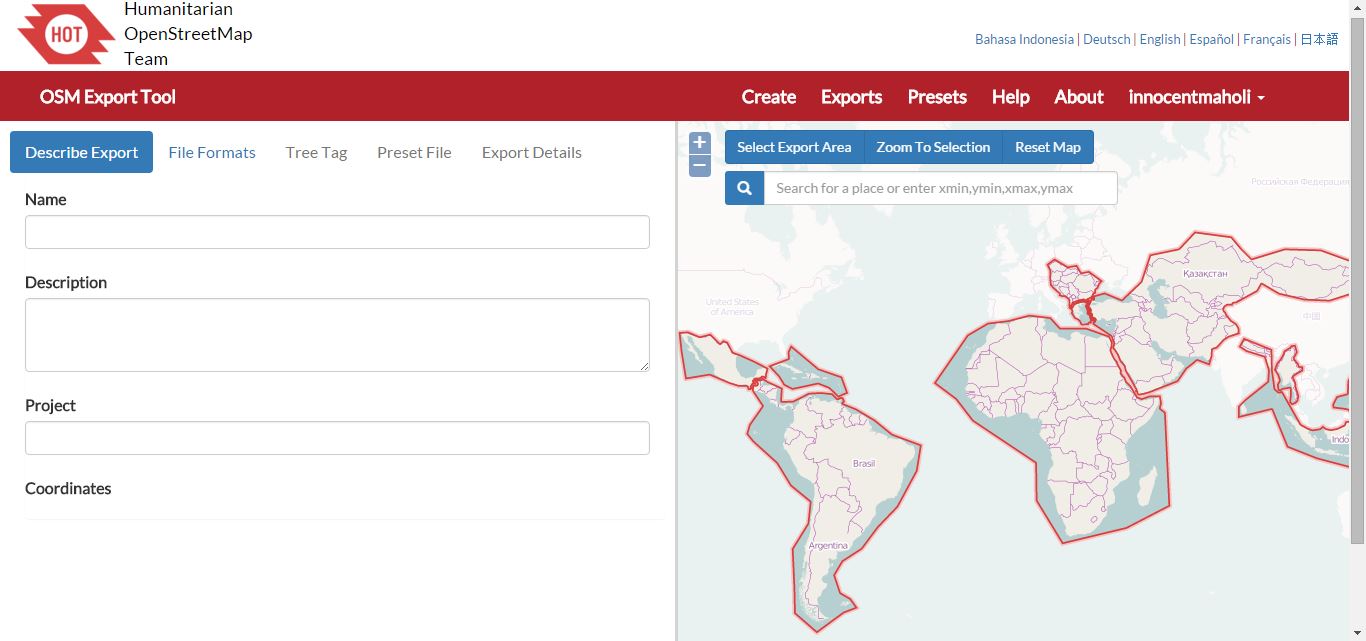
Capture.JPG

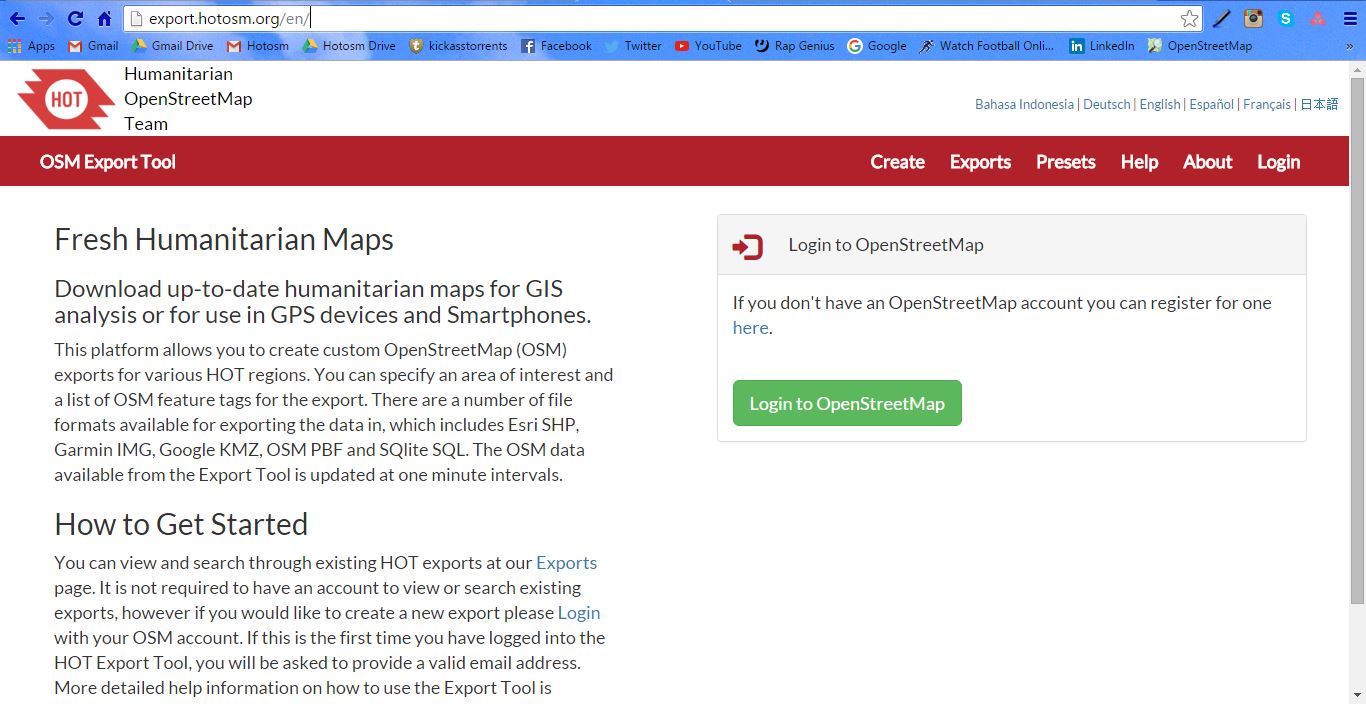
HOT Export Tool homepage: http://export.hotosm.org/en/ 

To use the Export Tool, you must first have an OpenStreetMap user account. Log in to OpenStreetMap, or if you don’t have an account you will be prompted to create one. You will be asked to grant access and approve your account by verifying your email address. 

Capture.JPG

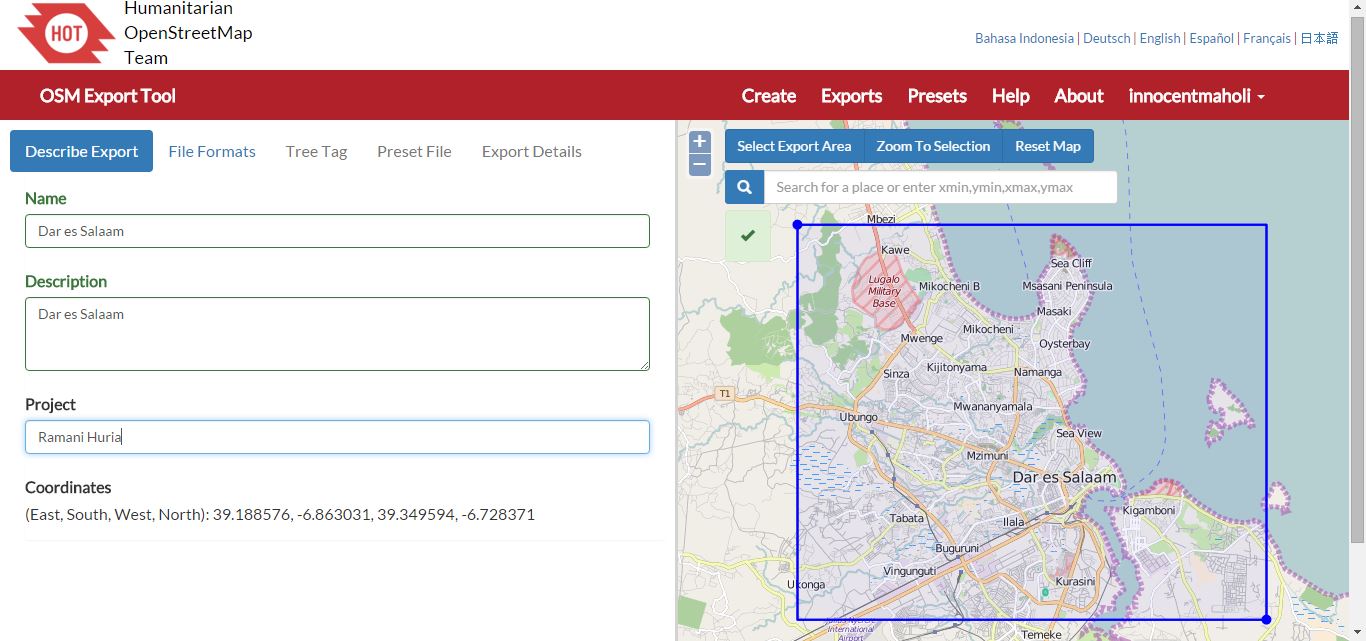
Creating an export

On the left hand side of the screen, give the export a ‘Name’, ‘Description’, and name the ‘Project’ to reference your export, this will help you and others know what is included in the export. 

Capture.JPG

Describing your export and selecting your export area

On the right hand side of the screen, select the export area. You will initially see a world map which you can zoom in (+) or out (-) of. Click the ‘Select Export Area’ button and select the area you want by clicking and holding down the mouse button – creating an area that covers your area or interest. You can adjust the size of the area by dragging the top-left or bottom-right corners of the box and you can move the entire box by holding down the mouse button and dragging. 

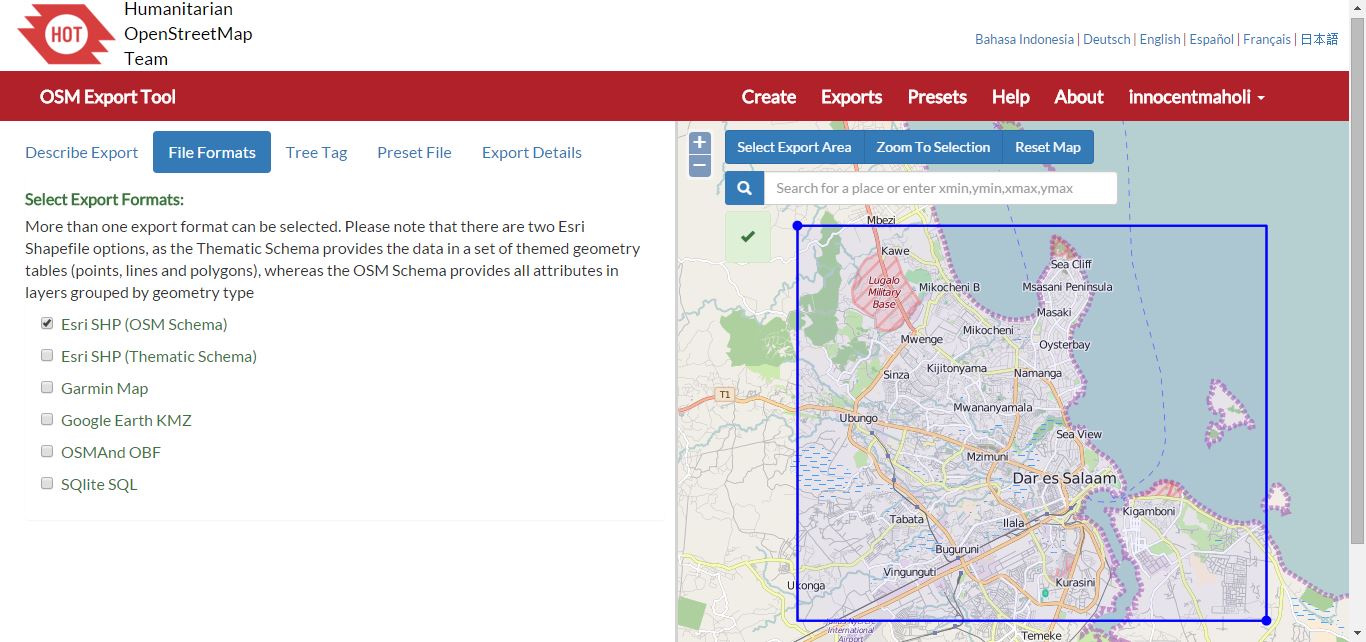
Capture.JPG

Selecting export formats

Once you have selected your area to export, and lablled as needed, click ‘File Formats’. You are then provided with a variety of file formats to export to including: Esri SHP (OSM Schema), Esri SHP (Thematic Schema), Garmin Map, Google Earth KMZ, OSMAnd OBF, and SQLite SQL (for more information on these formats see HOT Export Tool: File Formats). You can select more than one option when exporting. Ramani Huria primarily uses the tool to create shapefiles, so in this example, select Esri SHP (OSM Schema) to get shapefiles in OSM format.

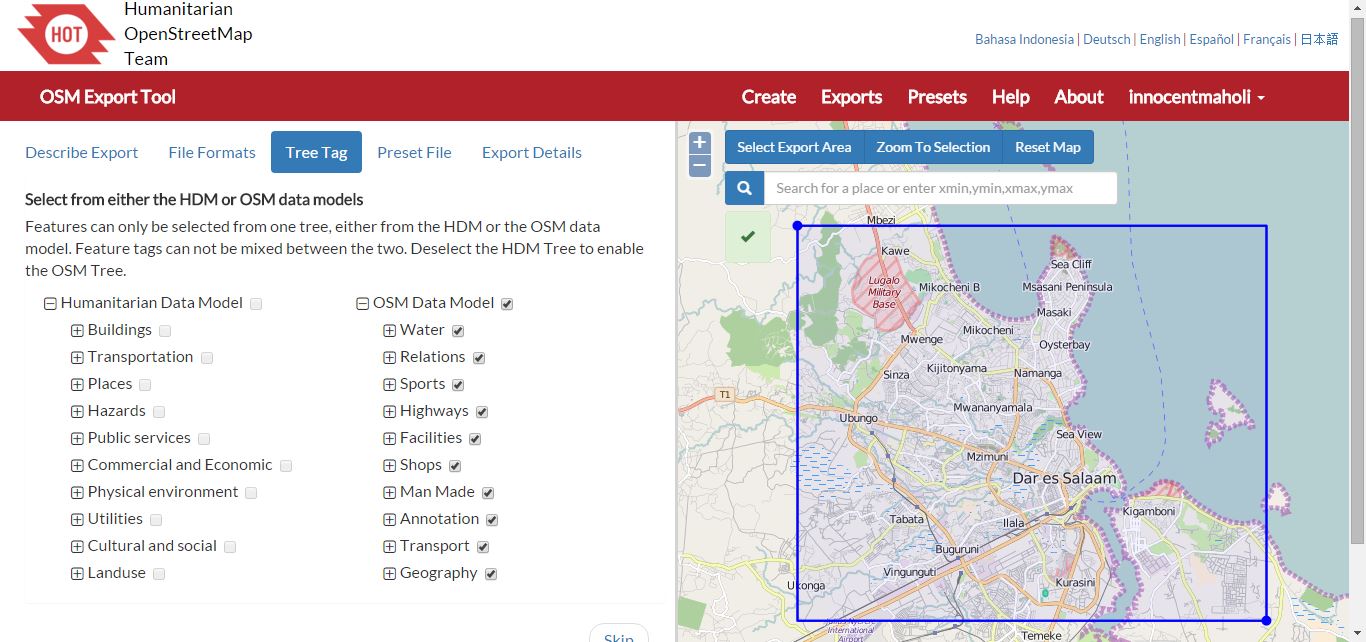
Capture.JPG

Tree Tag options

The next section ‘Tree Tag’ allows you to choose features to be included in the export. You can select features from either Humanitarian Data Model (HDM) or OSM data model. You can only select from one tree i.e. one model, and feature tags cannot be mixed between the two. For this example, deselect the HDM tree and enable the OSM tree, all features will be automatically selected. 

Capture.JPG

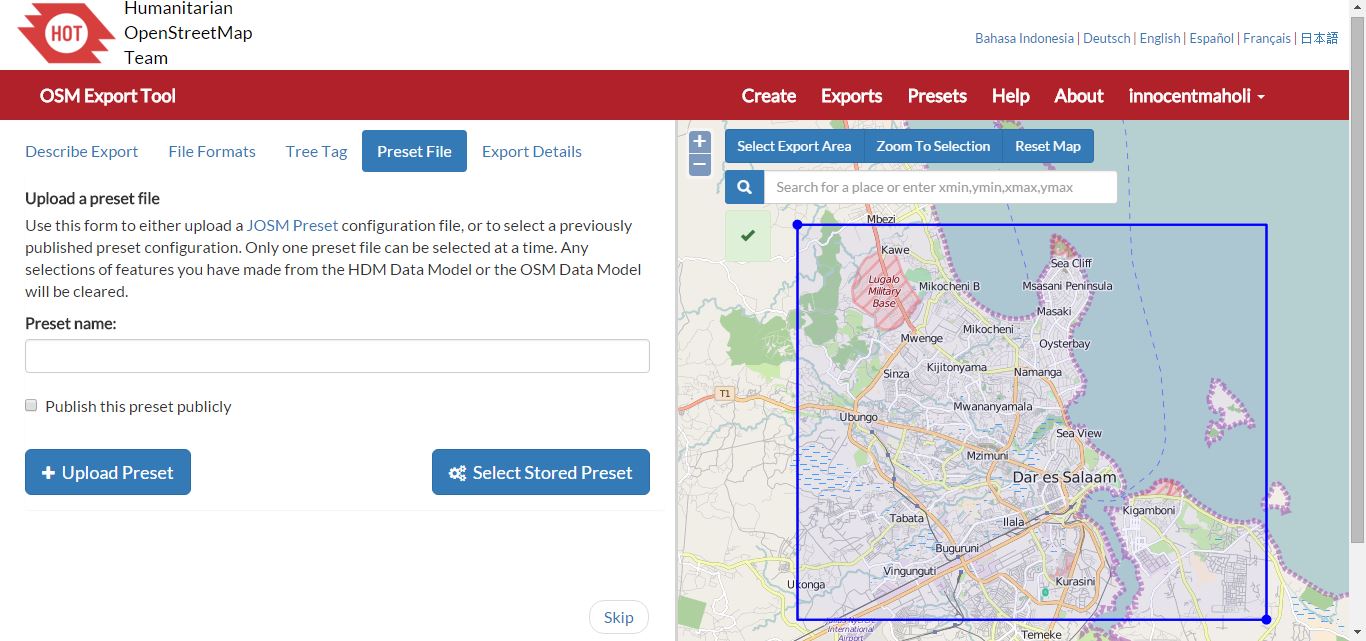
Uploading a preset file or selecting a stored preset

The next tab, ‘Preset File’ allows you to upload a JOSM Preset configuration file or select a stored preset. Using presets are particularly helpful if you are creating more than one export. By adding a preset file, any features selected from the HDM or OSM Data Model will be cleared. Ramani Huria uses a preset, which is freely available for anyone to download from our GitHub account. To try using the Ramani Huria preset as your preset, download and unzip the file ‘Dar es Salaam.zip’ and located the file ‘RamaniHuria.xml’. You must give the preset a name, then click ‘Upload Preset’ and locate the file. 

Capture.JPG

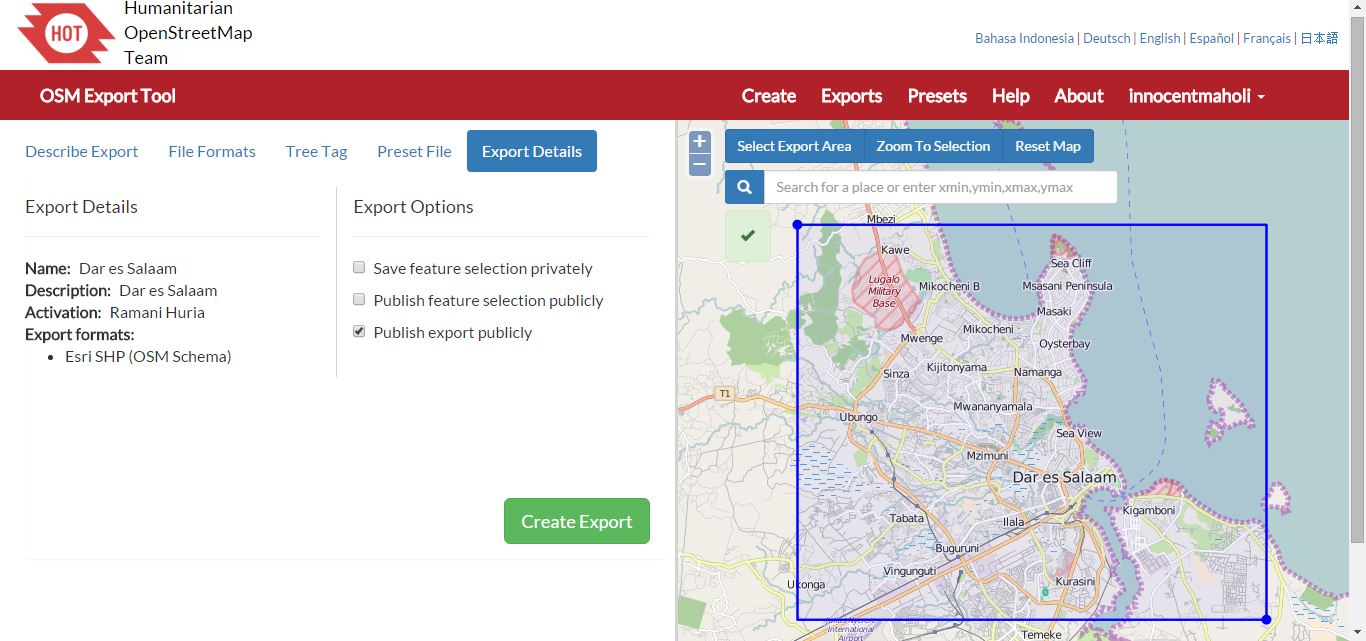
Export details

The last tab, ‘Export Details’ allows you to see additional information about the export. You can go back and make any required changes, for example add a file format to export. Depending on your export settings you may have the options to: ‘Save feature selection privately’, ‘Public feature selection publicly’ and/or ‘Publish export publically’. 

When you have finalised your selections click ‘Create Export’.

Capture.JPG

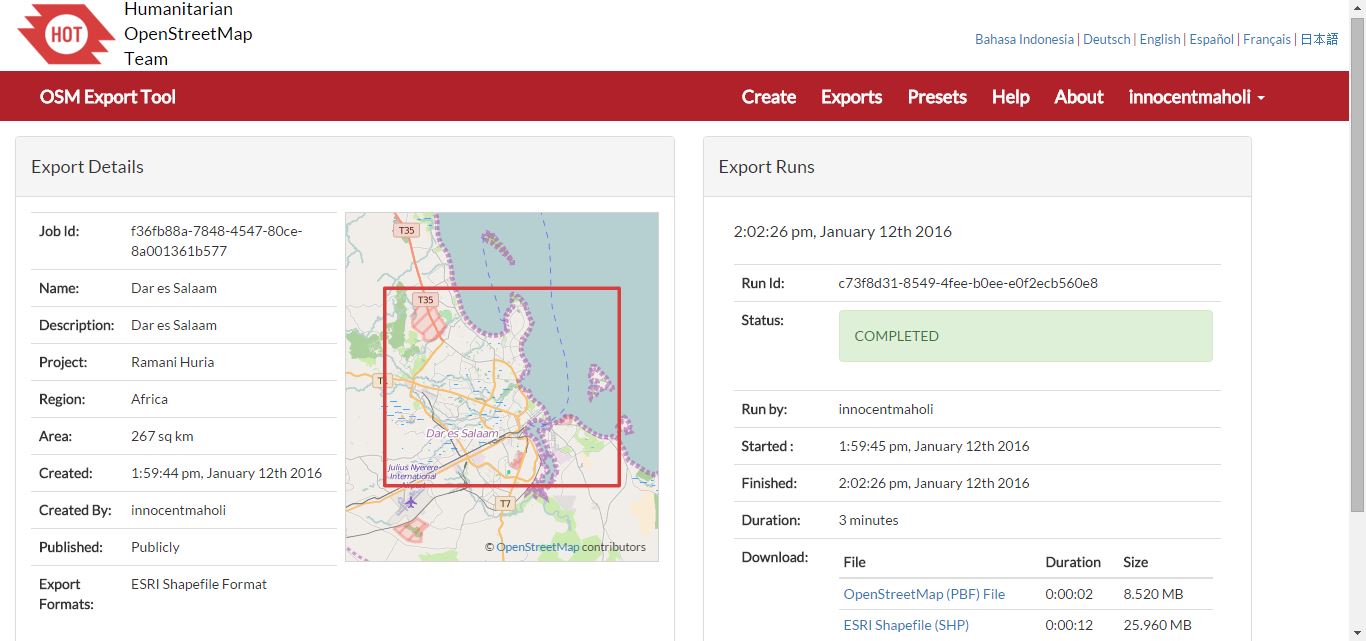
Creating your export – Export details & export runs

The next screen will show details of your export on the left hand side and status of the export on the right hand side. You may need to wait a moment for the status to read ‘completed’ before you can download your files. You will also receive an email from HOT Export Tool with a link to download the files. 

Capture1.JPG

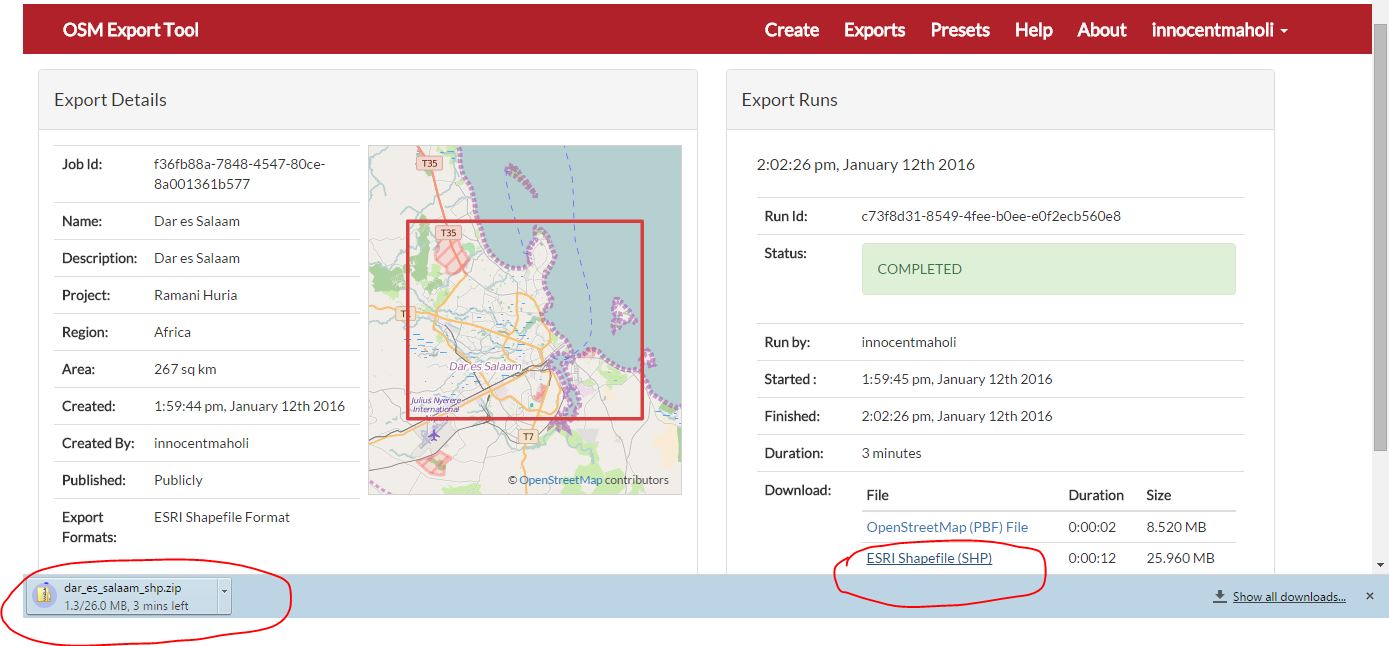
Downloading your exports

The export files (of the file types you requested) will be listed in the download box. Click on the file names to download directly onto your computer. 

To use your exports, unzip the files and load your shapefiles to your mapping software, such as QGIS. 

You can see any exports or presets other users have made publically available under the ‘Exports’ and ‘Presets’ menu options.

If you need additional assistance using the HOT Export Tool, take a look at the help section (found in the menu bar) or come along to a Maptime Tanzania events and one of the Ramani Huria team will be happy to help you! 

Categories
How To

How To: OSM Tasking Manager

Throughout the world, many people contribute to the collaborative community of OpenStreetMap. For anyone who is interested in volunteering their time to map unmapped parts of the world, OSM Tasking Manager is a great way to find projects to assist on. OSM Tasking Manager (https://tasks.hotosm.org) is a mapping tool designed and built to coordinate mapping by Humanitarian OSM Team volunteers, making it easier for mappers to work together and avoiding conflicts in areas in the process of being mapped. The purpose of the tool is to divide up a mapping job into smaller tasks that can be completed rapidly. It shows which areas need to be mapped and which areas need the mapping validated. An area to be mapped is broken down into smaller areas on a grid so that mapping can be done in an organised way and distributed among volunteers throughout the world. As a result, mapping can also be completed quickly, which is especially vital in the context of an emergency. 

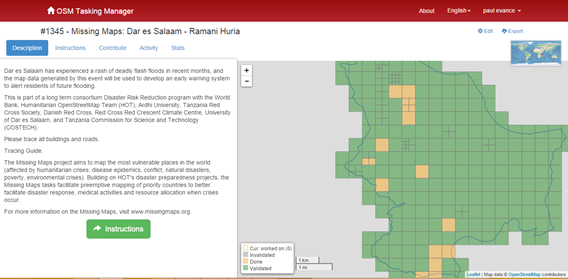
The Ramani Huria project has made use of the OSM Tasking Manager throughout our work, especially in when remote mapping to minimize the risk of overlapping work areas.  We have used the tool during Maptime events and mapping parties where we have mapped several wards of Dar es Salaam, including the subwards of: Makuburi; Kimanga; Kigamboni; Tungi; Vijibweni; Mjimwema; and Kibada. During OSM Geoweek 2015 events we facilitated at the University of Dar es Salaam and Ardhi University, we made use of OSM Tasking Manager to facilitate a mapathon including 150 volunteer mappers (see: https://tasks.hotosm.org/project/1345). 

The Ramani Huria OSM GeoWeek task on OSM Tasking Manager: https://tasks.hotosm.org/project/1345 

Accessing OSM Tasking Manager

To start using OSM Tasking Manager, you will need an OpenStreetMap user account. To log in, click ‘login to OpenStreetMap’ in the top right corner of the page. If you don’t have an account, you will see a link to register or go directly to: https://www.openstreetmap.org/user/new

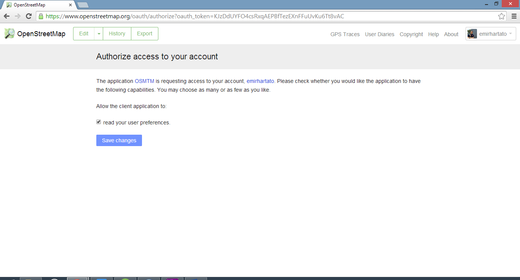
Authorising your OpenStreetMap account with OSM Tasking Manager 

Once you have logged you will be asked to authorise access to your account. Click ‘Save changes’ to allow OSM Tasking Manager to allow access and remember your account in the future.

Selecting a mapping task to contribute to

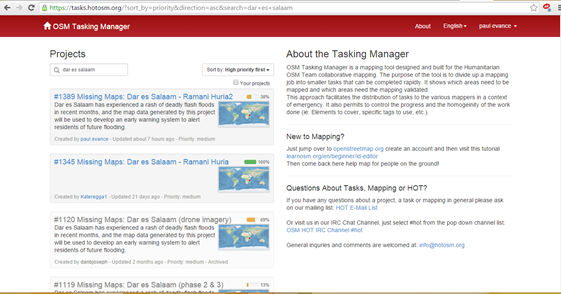
OSM Tasking Manager front page: https://tasks.hotosm.org/ 

Once you have logged in you will see a list of projects on the left hand side of the page, usually, the highest priority will be listed first. You can also search for specific tasks, including looking for mapping tasks by the city of the country. For example, search ‘Dar es Salaam’ and you will see all tasks for the city of Dar es Salaam. 

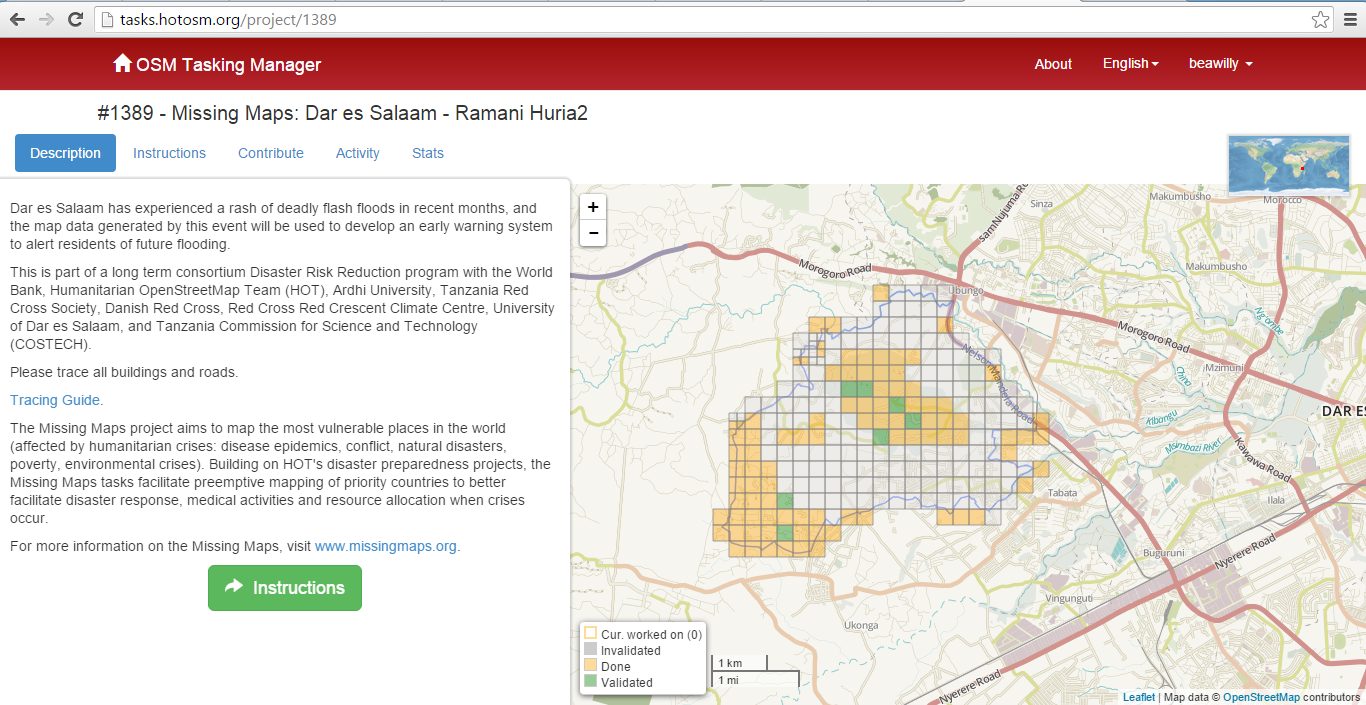
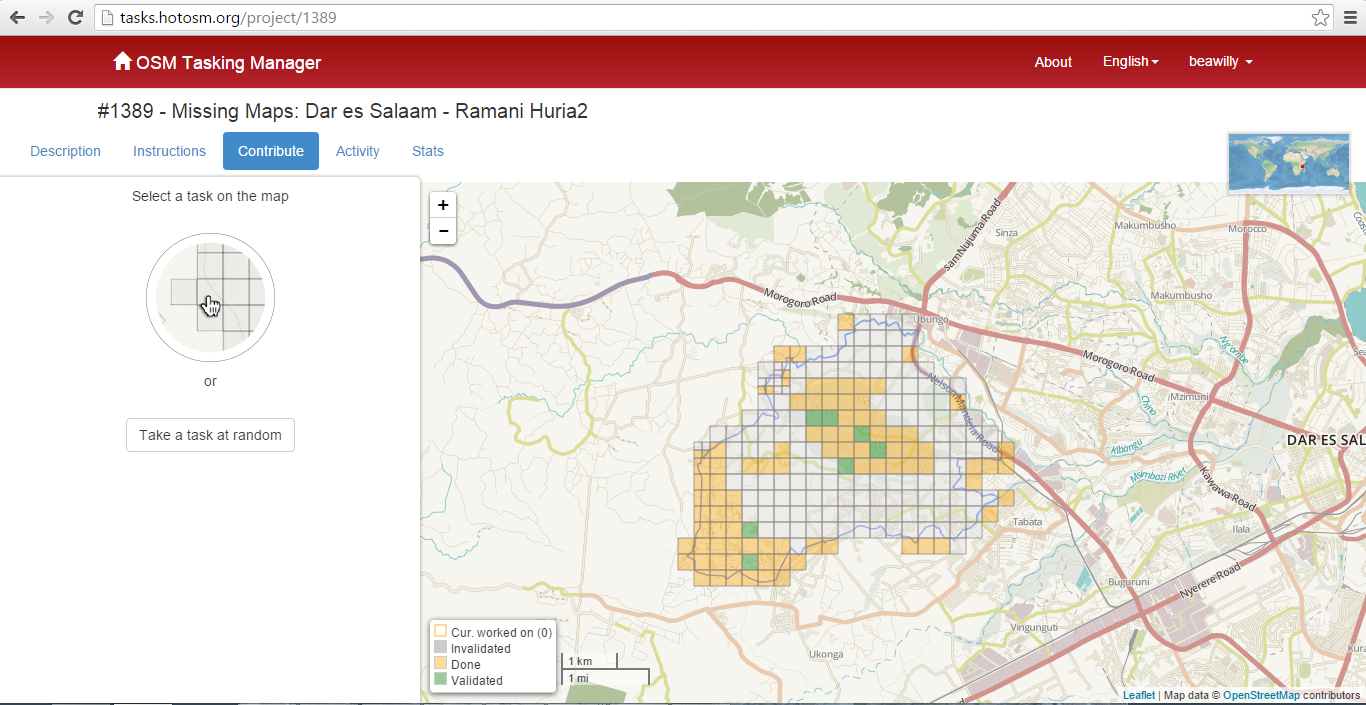
Project ‘#1389 – Missing Maps: Dar es Salaam – Ramani Huria2’: https://tasks.hotosm.org/project/1389 

Once you have found the project you want to work on, click on the title of the task and you will open a page with details on that task. 

Each project will have five tabs on the left hand side of the page, and an image of the area to be mapped on the right hand side of the page. The tabs will give you all the information you need to start mapping, including:

  • Description – read the description carefully, this gives you an overview of the task and the goals of the mapping 
  • Instructions – this tells you what needs to be mapped (‘Entities to Map’) and the comments to put when uploading data to the OSM database (‘Changeset Comment’), often this will include hashtags to track mapping activities. It also will give a link to a dedicated preset if you are mapping in JOSM
  • Contribute – this section is where you will start your mapping by either selecting a task on the map or taking a task at random
  • Activity – this lists all the activity been done in this task by chronological order including who has contributed (with OSM username), the areas they have mapped, and date stamp. 
  • Stats – here you will find stats on how much of the task has been done and validated, as well as information on contributors, including their OSM username and number of sections done. 

Begin mapping a task

Select a task to start mapping: https://tasks.hotosm.org/project/1389 

To begin mapping, select the ‘Contribute’ tab. Other mappers may have already begin to work on the map and you can see what areas need mapping or are in the process of being mapped by the colour of the square:

  • Squares with a yellow outline are currently being worked on – you cannot work on these areas until the person currently mapping unlocks that area
  • Grey squares are invalidated and haven’t yet been mapped
  • Yellow squares are done but not yet validated
  • Green squares are validated i.e. they have been completed

Selected an unmapped grey square to begin mapping a specific task on the map or click on the button to ‘Take a task at random’. 

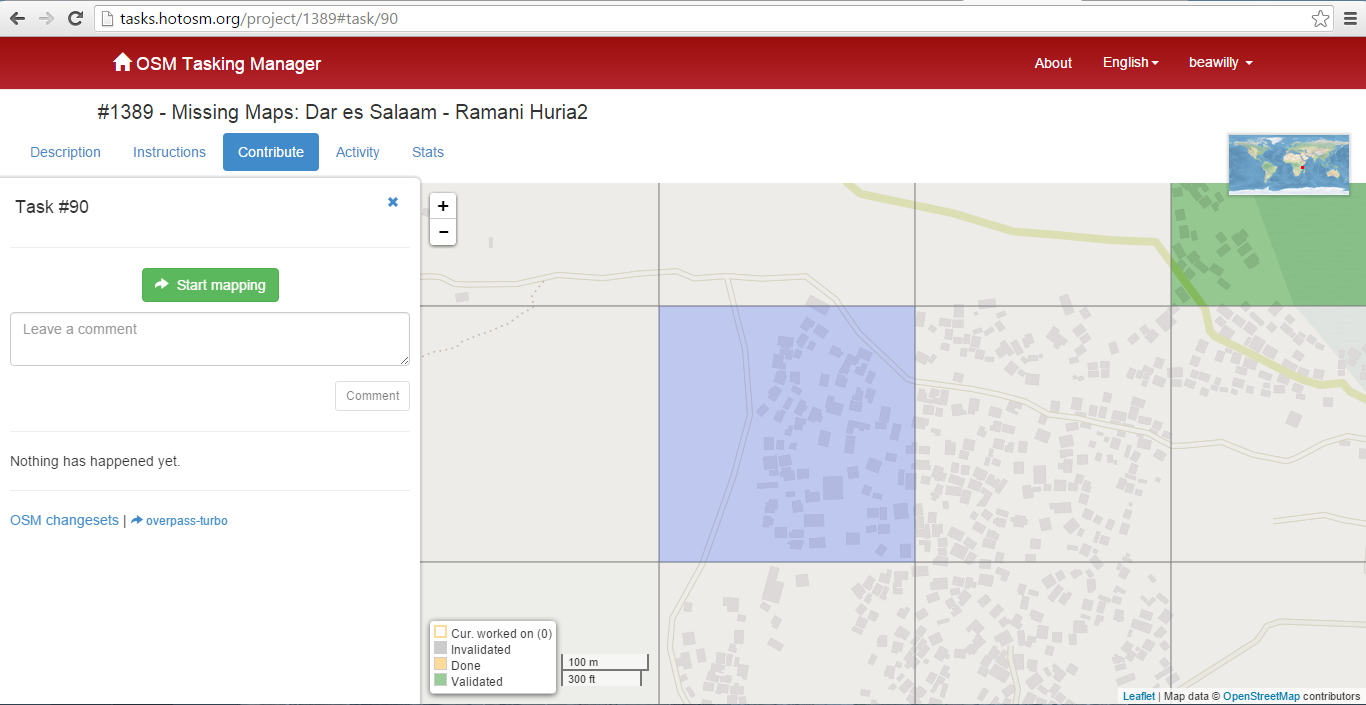
When you select a square, details of the mapping in that area will be in the left hand side of the screen, as well as the specific task number. Click start mapping to begin. 

Editing the map

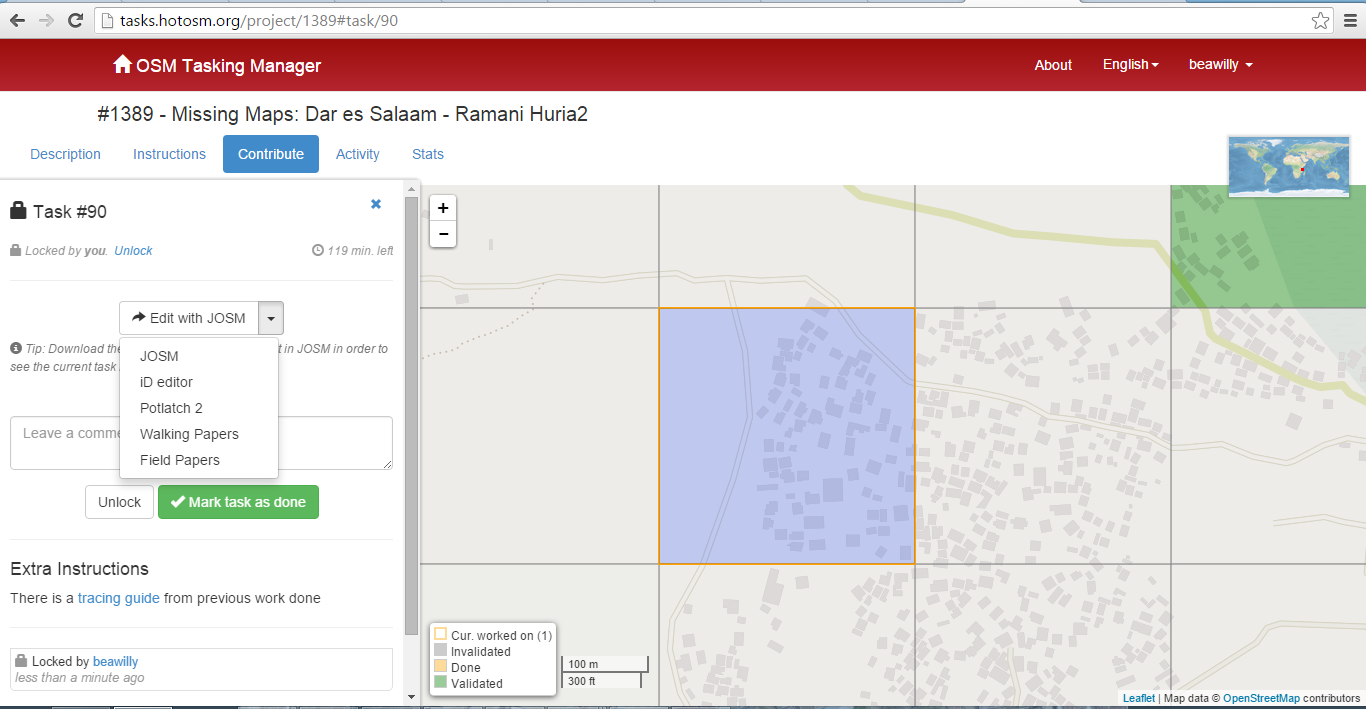
Selecting your prefered editing tool to start mapping

OSM Tasking Manager allows you to use your prefered editing tool to edit the task (e.g. JOSM, iD editor) and you can select this from the drop down list. You can view more details on how to edit with different options here.

When you start mapping an area, it will be locked for two hours, meaning no one else can work on this subtask while you are mapping. After this time, it will be automatically released so it’s important to make sure you know when this happens to avoid conflicts with other mappers on the same task. 

If the area is too big or complex for you to map within two hours, it’s a good idea to split the task into several smaller squares.

Finishing mapping and/or unlocking the task

If you have to stop mapping, or don’t have time to complete the area you are mapping within the time, it’s good practise to leave a comment about your progress and what remains to be mapped. You can add in as much information as is relevant, and then click ‘unlock’. 

If you have completed the task and mapped the entire area as requested, make sure you make the task as ‘complete’ so other mappers don’t have to come back and check through the area. Always leave any comments you think are relevant, including areas of the map you are unsure of. You can also tag in other OSM users by using the @ sign before their username, this is especially useful if you are working with other mappers or have a supervisor assisting you. 

Learn more

You can get additional help and tips on OSM Tasking Manager at learnosm.org: http://learnosm.org/en/coordination/tasking-manager/#editing-choices The international volunteer mapping community is very helpful to other mappers so don’t hesitate to raise questions you have. You can also get live help in the OSM HOT IRC Channel #hot (details on how to access here: http://learnosm.org/en/coordination/tasking-manager/#getting-live-help)

Put your skills to use & meet other mappers

Come along to a Maptime event supported by Ramani Huria and put your new skills to practise. The community can also help you answer any questions you have about the tool. You can find details of the next Maptime event on our social media pages: Facebook and Twitter.

Categories
How To

How To: Make a Slippy Map

In a new series of ‘How To’ blog posts, the Ramani Huria team explains some of the great tools and tech we use in our mapping process. This post will introduce you to Slippy Maps and the process we used to create the Ramani Huria Slippy Map using Mapbox Studio software. By the end of the post, you will be able to create your own Slippy Maps!

The term Slippy Map, in general, refers to web maps which let you zoom and pan around (the map slips around when you drag the mouse) and are a great way for making maps interactive online. 

 Why should you create a Slippy Map?

  • Slippy maps automatically use the latest vector data present in the OSM server
  • Maps can be  adapted to display the data to highlight your goals and purposes; in the Ramani Huria Slippy Map highlight drainage and medical and educational facilities
  • You can export a PDF from Mapbox Studio.
  • Creating Slippy Maps can increase your knowledge on the web-based map production

Setting up

Before you begin creating Slippy Maps, you need to set-up Mapbox Studio:

  • First, register an account to create your user account in Mapbox where your styles and sources will be stored
  • Next, download Mapbox Studio; you will need to download and install the Mapbox Studio software into your computer

Mapbox Studio uses a language called CartoCSS to determine the look of a map. Colours, sizes, and shapes can all be manipulated by applying their relative CartoCSS parameters in the stylesheet panel to the right of the map. Mapbox Studio Classic ships with 16 starter styles for you to use or customize for your final map design. Starter styles make styling your maps faster and easier and can help you learn CartoCSS. If you have limited knowledge of CartoCSS, you can learn more here or here

Creating the Ramani Huria Slippy Map

To explain the process of creating a Slippy Map, we’ll guide you through the process of creating the Ramani Huria Slippy Map. This map was created through customizing one of the starter styles in Mapbox Studio. This was used to make the processes of styling the map easier and faster. 

Now that you are registered with Mapbox Studio and have the software install, it’s time to start making your map!

  • Launch Mapbox Studio Classic. After launching, the program will ask you to connect to your Mapbox account, your “username” and “password” that you used to register your account.
Capture.JPG
  • The program will ask for authorization to access your Mapbox account. Then click on the blue button labelled “Allow”. Then you should be able to access your 16 starter styles.
Capture2.JPG
  • Select the starter style that you wish to start customizing your work. To follow the process of creating the Ramani Huria Slippy Map, select the “OSM Bright 2” starter style. 
  • When opened, this starter style comes with 3 CartoCSS tabs visible in the righthand window: ‘style’; ‘road’; and ‘labels’. Customization of the map will be done on these CartoCSS tabs. The ‘+’ sign is an option to add more tabs for other features if needed.
  • The left side of the window shows the following options:
    • Save as – when you want to save some changes you have made Changes will then appear to the window immediately after you have saved them
    • Settings – provides options to name the style, provide its description, upload the style to mapbox and providing attributions etc.
    • Layers – lists layers that are composed in the map
    • Fonts – provides font types to be used for labelling
    • Docs – provide documentation for guides and interface tour
    • Styles and sources – provides options to add new, or browse, style or source
Capture3.JPG

We’ll now show you how to start customizing and adding your own style. To begin, we’ll highlight the drainage lines that are present in the map data.

  • In the top right, click (+) sign to add a new stylesheet. Name the stylesheet ‘water’, and add the following CartoCSS to define the colours we’ll be using. You’ll notice Mapbox Studio gives you a preview and an easy way to update them if you click the coloured circle that appears with each colour!

// Color palette //

@water: #a0c8f0; // blue

@river: #6ca4df; // darker blue

@drain: #a238df; // purple

@ditch: #df32bd; // darker pink

  • The “Layers” panel will show you which elements you can style; for example “#road”, “#waterway” and “#building”. We’ll now proceed to make the drains and ditches in the section of the map you’re currently viewing more prominent, by adding some styles to the “#waterway” layer. If you select ‘#waterway’, Mapbox Studio will show you which attributes you can use. For waterways, we can style the following values for the ‘type’ attribute: ‘river’, ‘canal’, ‘stream’, ‘ditch’ and ‘drain’.
  • Add the following CartoCSS, then click ‘Save’ in the top left of the window:

// Drains //

// **** add width and depth to label, maybe type?

// (would do dashes for covered features if it came with MapBox streets)

#waterway {

  [type=’drain’],

  [type=’ditch’] {

line-join: round;

line-color: @drain;

line-width: 0.2;

[zoom>=14] { line-width: 0.5; }

[zoom>=15] { line-width: 1.0; }

[zoom>=18] { line-width: 2.0; }

  }

}

#waterway [type=’ditch’] {

  line-colour: @ditch;

}

  • This snippet of CartoCSS does the following:
    1. For all waterways of types ‘drain’ and ‘ditch’, we want lines to be the colour we assigned to ‘@drain’, and have a line thickness of 0.2
    2. As we zoom in on the map, want the line to render thicker (which is what the lines starting with ‘[zoom>=?]’ do)
    3. Lastly, we tell Mapbox Studio to render ditches in a different colour; the colour we assigned to ‘@ditch’
  • Now, we’re ready to upload! Click “Settings”, then “Upload to Mapbox”.
  • Finally, you can view the map you just made from your account and may decide to share it through social media, such as Facebook, Twitter, Pinterest, or through copying and pasting the URL link.
Capture.JPG

Exporting Slippy Maps

The process of exporting the maps from Mapbox Studio is a very simple and quick way of exporting the maps into several formats for further public/private uses. To export a map:

  • Pan and zoom to your area of interest
  • Click on the  image icon in the upper right of Mapbox Studio Classic to open up the export panel
  • Use the bounding box to set the export area
  • Adjust the crop size, crop bounds, centre point, image format and resolution as needed
  • Select type of file format you want your output to be in. Currently, there are 2 file formats that you can save your output in, which are png and jpeg formats.
  • Select “download” and save it to your local drive

Limitations of Slippy Maps

On processing Slippy Maps, new users may face difficulties in styling the maps as styling is done by writing CartoCSS which new users may not be familiar with. However, there are many online resources to help, and we advise you to learn how to use the CartoCSS language before you start making maps.

Using Mapbox, Slippy Maps are uploaded and stored in the user’s account, and the type of account you have affects how much storage you may use. Mapbox’s starter plan is free and ideal for anyone who is beginning to make Slippy Maps and learning CartoCSS.

We hope that you have now created your own Slippy Map and are excited to create more maps and experiment with stylings! Let us know your experiences and share your maps with us on social media on Facebook or Twitter @ramanihuria